Category: Support and Caregiving

Explore stories, strategies, and resources for those providing care and support to survivors of trauma. Focusing on compassion, resilience, and sustaining well-being, offering guidance and practical tools to help caregivers care for their loved ones while also supporting themselves as they navigate challenges and foster hope.
Brea – Get Support Together
Post-Trauma LifeResource ConversationsSupport and CaregivingYou Are Not Alone

Finding the Right Support When You Don’t Know Where to Start

A Resource Conversation with Brea Berman-Black, Founder of Get Support Together

After a motor vehicle incident, it’s common to know that you need help—but have no idea where to begin.

Maybe you’re looking for a counselor who understands trauma. Maybe your loved one is struggling emotionally after the crash. Maybe you’re overwhelmed by the medical system, insurance, appointments, and trying to hold everything together.

When you’re in survival mode, even knowing what questions to ask can feel impossible.

In this Resource Conversation, we sat down with Brea Berman-Black, founder of Get Support Together, to talk about why finding the right support is often one of the hardest parts of recovery—and how she’s working to change that.

Why Get Support Together Was Created

Before surviving a life-threatening motor vehicle incident herself, Brea spent years advocating for one of her children who was experiencing severe mental health challenges.

Throughout that journey, she encountered countless professionals who genuinely wanted to help—hospital staff, school counselors, law enforcement officers, and healthcare providers.

The problem wasn’t a lack of compassion.

The problem was that many of those trusted professionals simply didn’t know what resources existed outside of their own area of expertise.

“They wanted to help,” Brea shared. “They just didn’t know where to send us.”

After spending years navigating a fragmented system, she realized that families needed something different: one place where they could understand the full continuum of available support.

Then, in 2024, Brea survived her own serious motor vehicle incident and spent more than a year recovering from multiple surgeries and a traumatic brain injury.

That experience reinforced what she already knew.

Whether you’re facing physical recovery, emotional healing, or caring for someone you love, finding the right support shouldn’t be another obstacle.

“You Don’t Know What You Don’t Know.”

One of the most powerful moments in our conversation came when Brea described what crisis actually feels like.

“You don’t know what you don’t know. I’ve never been here before.”

Those words resonate deeply with many motor vehicle incident survivors.

Most people have never had to navigate traumatic injuries, post-traumatic stress, brain injuries, caregiver burnout, or complicated recovery.

When everything feels overwhelming, even highly educated, capable people can freeze.

Family members freeze.

Professionals freeze.

Caregivers freeze.

The challenge isn’t intelligence.

It’s that trauma changes how we process information.

During crisis, reading pages of website text, comparing dozens of providers, or trying to understand unfamiliar treatment options can feel impossible.

What Is Get Support Together?

Get Support Together is building a free mental health access platform designed to help people find the right support based on their unique situation.

Rather than sending people down endless internet searches, the goal is to simplify the process.

Instead of wondering where to start, users will be able to search for resources that fit what they actually need.

That includes:

  • Support groups
  • Therapists and counselors
  • Intensive outpatient programs
  • Crisis resources
  • Community organizations
  • Holistic and wellness services
  • Nature programs
  • Sensory-friendly events
  • Recovery-focused organizations
  • And much more

The platform recognizes that healing isn’t one-size-fits-all.

Sometimes someone needs a support group.

Sometimes they need a therapist.

Sometimes they need immediate crisis intervention.

Sometimes they simply need to know they’re not alone.

Meeting Survivors Where They Are

One thing that makes Get Support Together unique is that it recognizes people don’t search the way professionals think.

People search using the words they’re actually thinking during crisis.

The platform is being built around those real-life experiences.

Eventually, users will be able to search by things like:

  • ZIP code
  • Insurance accepted
  • Free services
  • Treatment approach
  • Faith or religion
  • Pronouns
  • Languages spoken
  • Provider specialties
  • Life circumstances
  • Mental health conditions
  • Treatment modalities

Rather than forcing people to figure out the “correct” clinical language, Get Support Together aims to meet people exactly where they are.

More Than Just a Search Engine

Brea explained that many excellent resources already exist online.

The problem is that when you’re overwhelmed, it’s difficult to process all of that information.

Instead of requiring people to decode complicated websites, Get Support Together provides what she calls the “Cliff Notes.”

The goal isn’t simply to list resources.

It’s to help people quickly understand:

  • What does this provider actually do?
  • Is this treatment right for me?
  • What should I expect?
  • Who is this designed to help?

For someone recovering from a motor vehicle incident—or caring for someone who is—having that clarity can make all the difference.

Finding Someone You Connect With

Healing is deeply personal.

Sometimes the right provider isn’t simply the closest one.

It’s someone whose approach feels safe.

Someone you connect with.

Get Support Together allows providers and organizations to share much more than basic contact information.

Many will be able to include:

  • Introduction videos
  • Photos of their office or treatment space
  • Their treatment philosophy
  • Why they entered this work
  • Areas of specialty
  • Modalities they offer
  • Personal values that influence their care

For example, someone interested in Transcranial Magnetic Stimulation (TMS)—a non-invasive treatment that uses magnetic pulses to stimulate specific areas of the brain and is often used for conditions like depression—will be able to search specifically for providers offering that service.

Others may prefer outdoor therapy, faith-based counseling, peer support groups, or holistic approaches.

The goal is simple:

Find the support that feels right for you.

Building the Continuum of Care

Rather than organizing information only by provider type, Get Support Together is also building “journeys” around specific life experiences and mental health conditions.

For example, someone experiencing a first episode of psychosis could see the full continuum of care—from early intervention and education to treatment programs, support groups, and ongoing recovery resources.

Over time, these pathways will continue expanding to include additional conditions and life circumstances, helping people better understand their options without having to piece everything together themselves.

A National Vision

While the current rollout is focused primarily on Texas, the vision is much bigger.

Get Support Together is building national partnerships and developing what Brea believes will become the country’s only comprehensive national crisis resource directory—a single place where people can quickly find crisis hotlines and urgent support resources.

Because when someone needs help, they shouldn’t have to spend hours searching for it.

A Message for Survivors

One message from Brea stood out above everything else.

We need you here.

There are people who want to help.

There are resources available.

There is hope.

Whether you’re recovering physically, emotionally, or both, you deserve support that fits your needs.

And you deserve to find it without having to navigate the journey alone.

Learn More

Get Support Together is currently in its launch phase, with new providers, organizations, and resources being added regularly. The platform is expected to become fully searchable as it continues expanding throughout 2026.

Searching the website is completely free, and visitors are encouraged to provide feedback so the platform can continue evolving to better meet the needs of survivors, caregivers, and families.

Learn more at GetSupportTogether.org.

Watch the Full Resource Conversation

To hear Brea’s story and learn more about Get Support Together, watch the full Resource Conversation here and on the Sandal Blue Foundation YouTube channel.

Parent to Parent – Self Care
Parent to ParentSupport and Caregiving

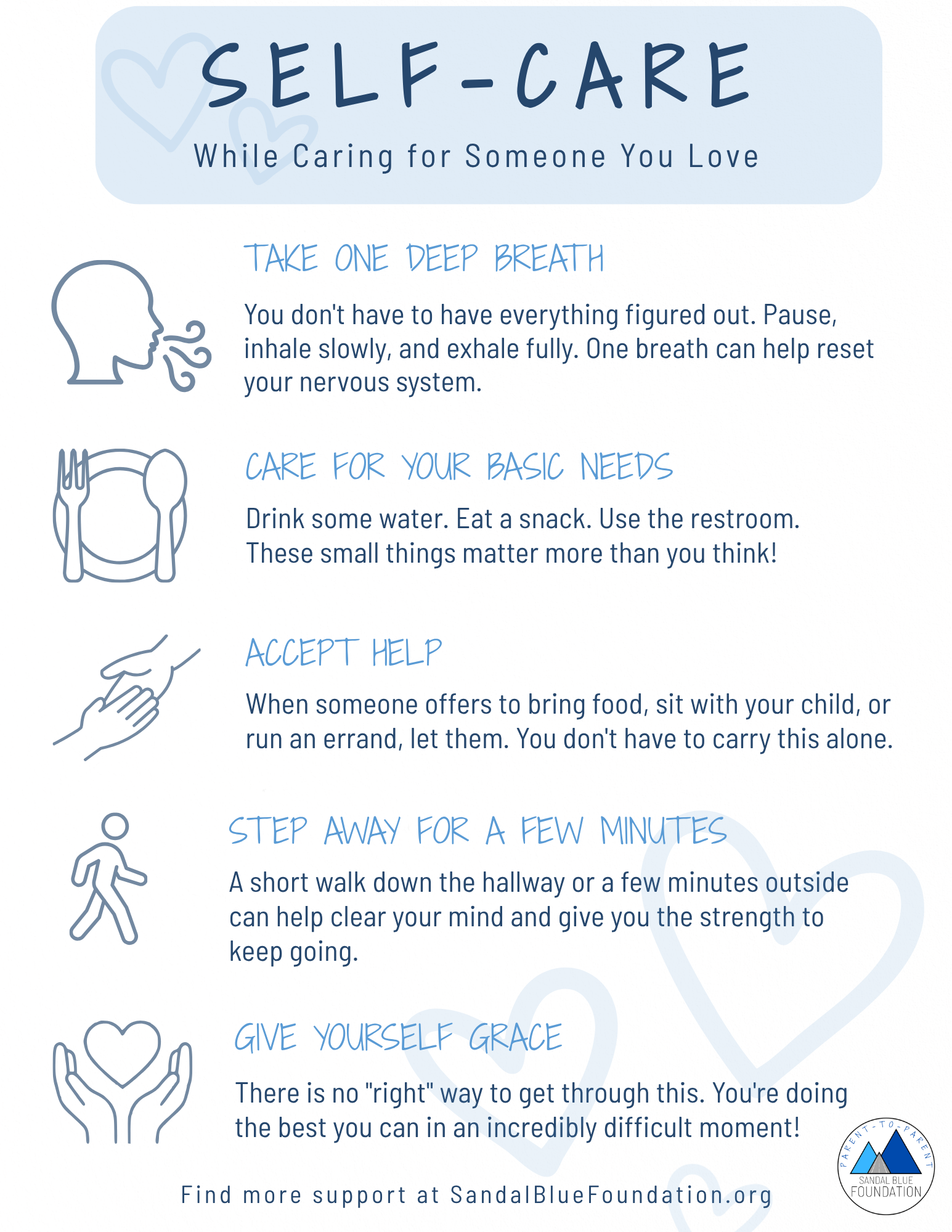
Self-Care While Caring for Someone You Love

Parent-to-parent. 
Parent to Parent is a series of honest encouragement from one parent who’s been there to another. These are the reminders, lessons, and practical tips we wish someone had shared with us while navigating our child’s recovery after our motor vehicle incident. 

If you’re reading this from a hospital room, first, I’m so sorry you’re here.

Whether it’s been hours, days, or weeks since the motor vehicle incident, you’re likely living minute to minute. Your focus is on your child. You’re listening to every update from the medical team, watching every monitor, answering phone calls and texts, making decisions you never imagined you’d have to make.
You may feel like you don’t have time to think about yourself.
But here’s something I learned after our family’s crash:
Taking care of yourself is part of taking care of your child.
That doesn’t mean booking a spa day or finding hours of uninterrupted rest. It means giving yourself permission to meet your most basic needs so you can continue showing up for the person who needs you most.
Here are a few gentle reminders.
You don’t have to have everything figured out right now.
Pause for just a moment. Inhale slowly. Exhale fully.
One deep breath won’t change your circumstances, but it can help calm your nervous system enough to take the next step. Sometimes that’s all you need—the next step, not the next month.
Drink some water.
Eat a snack.
Use the restroom.
These may sound obvious, but in the middle of a crisis, they’re often the first things we forget.
Your body is carrying stress in ways you may not even realize. Giving it a little fuel and hydration can help you think more clearly and stay present during long days at the hospital.
When someone asks, “What can I do?” it’s okay to let them.
Ask them to bring dinner.
Have them pick up a phone charger or a sweatshirt.
Let them sit with your child while you step away for a few minutes.
You don’t have to prove how strong you are by doing everything yourself. The people who care about you genuinely want to help—they just may not know how.
If your child’s care team says it’s okay, take a short walk.
Walk down the hallway.
Step outside for fresh air.
Sit in the cafeteria.
Even five minutes away from the constant sounds and activity of the hospital can help you reset before returning to your child’s bedside.
There is no right way to get through this.
Some days you’ll feel strong.
Other days you may cry in the parking garage, forget what someone just told you, or feel completely exhausted.
All of those responses are normal.
You are carrying something incredibly heavy.
Give yourself the same kindness and compassion you would offer another parent sitting beside you.

One More Thing

If no one has told you today, let us be the ones to say it:
You’re doing the best you can and you’re doing great!
Your presence matters more than having the perfect words or knowing exactly what to do. Simply being there with your child is enough.
One breath.
One meal.
One walk down the hallway.
One moment at a time.
And if you’re looking for additional resources, practical tools, or support while navigating life after a motor vehicle incident, we’re here for you!
Looking for your next step? Explore more resources for survivors and caregivers on our blog.
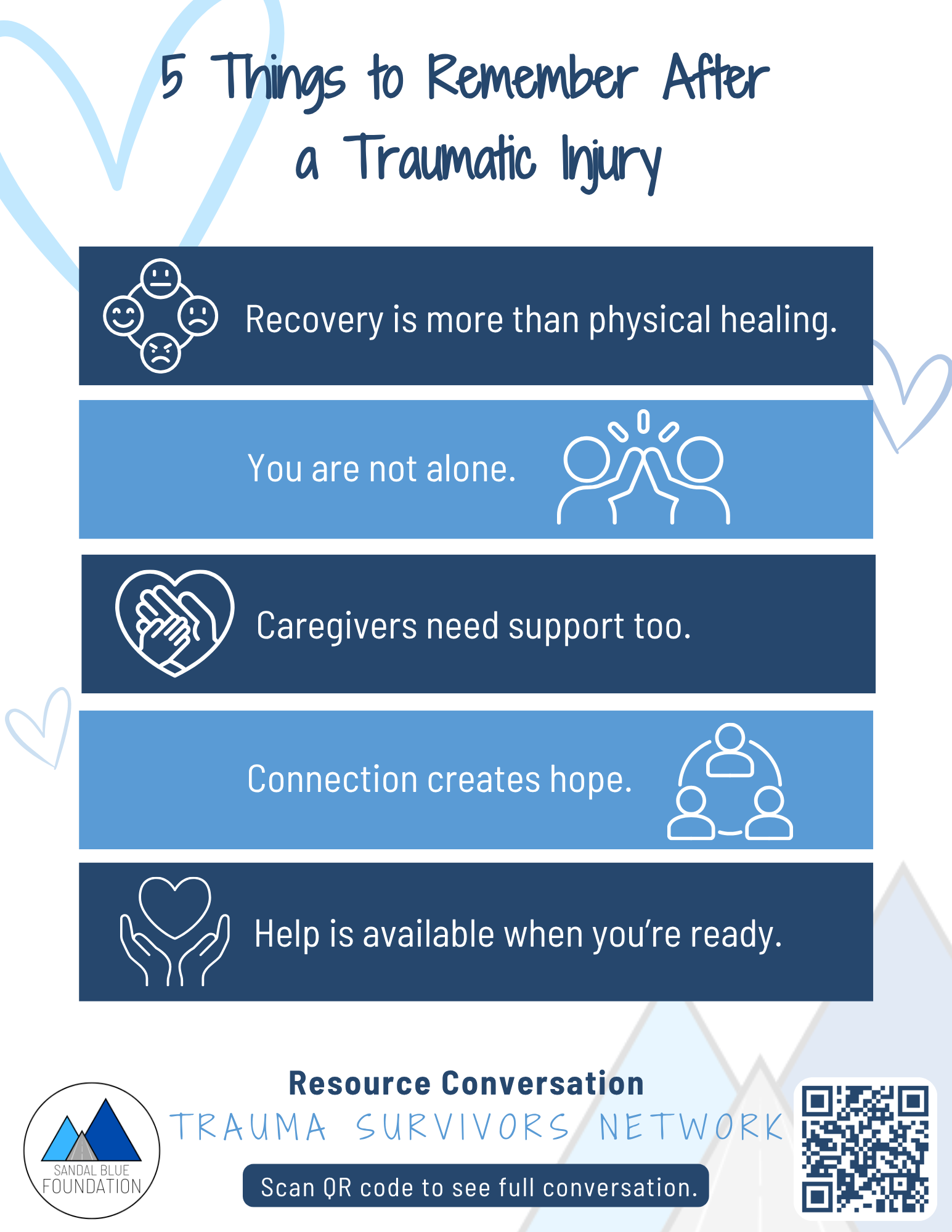
Trauma Survivors Network
Post-Trauma LifeResource ConversationsSupport and CaregivingYou Are Not Alone

Finding Support After Traumatic Injury

You Don’t Have to Recover Alone

One of the biggest misconceptions about traumatic injury is that once someone leaves the hospital, they are “back to normal.”

For many survivors and their loved ones, discharge is not the end of the journey—it’s the beginning.

The physical healing process often comes with appointments, rehabilitation plans, and follow-up care. But the emotional and mental recovery that follows an injury can be much harder to navigate. Survivors may feel isolated, overwhelmed, anxious, frustrated, or unsure how to adapt to a life that suddenly looks different than it did before.

Family members and caregivers often face their own challenges as they support someone they love while processing their own trauma and stress.

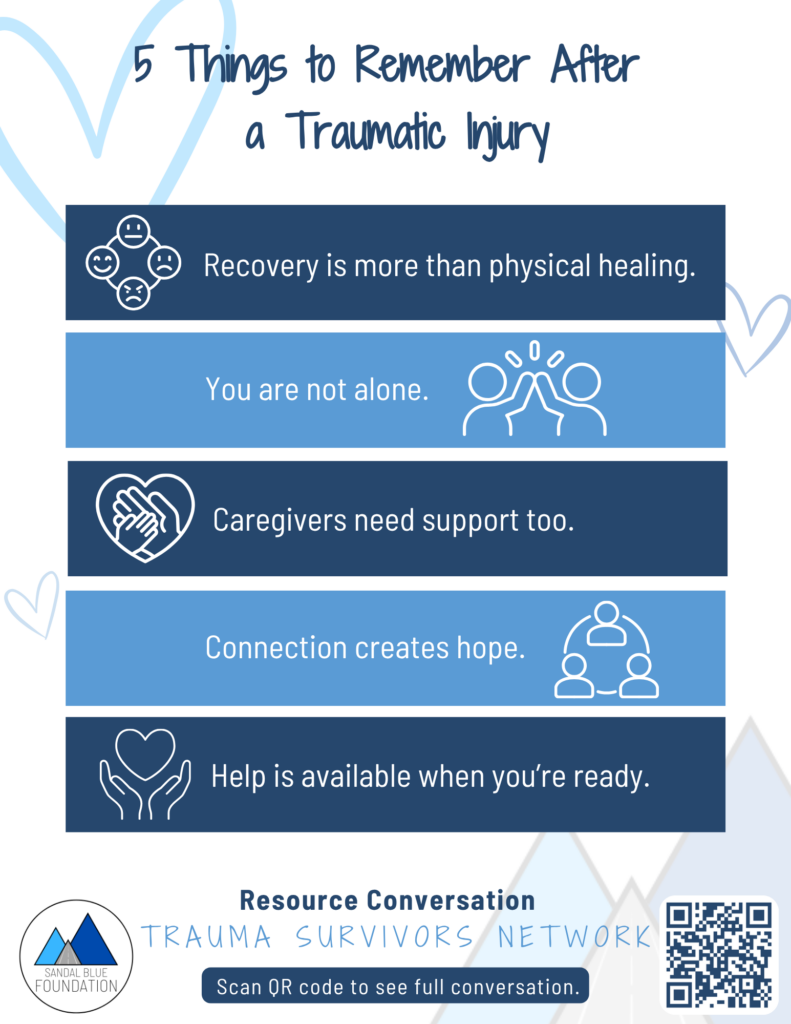
The good news is that no one has to walk that journey alone.

The Importance of Connection After Trauma

The American Trauma Society (ATS) works to improve trauma care at every level—from first responders and healthcare professionals to survivors and families. One of the ways they do this is through the Trauma Survivors Network (TSN), a program designed to provide support, community, education, and connection for people impacted by serious physical injuries.

Traumatic injuries can leave people feeling like no one truly understands what they are experiencing. While friends and family may want to help, they may not know what to say or how to provide support.

Connecting with others who have experienced similar challenges can make a significant difference.

Sometimes the most powerful thing a survivor can hear is:

“I’ve been where you are, and there is life after this.”

Seeing someone who has adapted, rebuilt, and found a new path forward can offer hope during a difficult season.

Adapting to a New Reality

Recovery often involves more than healing physically. It may require adapting to changes in mobility, routines, relationships, work, hobbies, or expectations.

Many survivors describe this process as learning how to navigate a “new normal.”

That adaptation can feel overwhelming when you’re trying to figure it out on your own. Connecting with other survivors and caregivers allows people to learn from those who have already faced similar challenges and discovered ways to move forward.

The goal is not to return to who you were before the injury.

The goal is to learn how to live well within your current reality.

The Power of Peer Support

One of the foundations of trauma recovery support is peer connection.

Many trauma centers throughout the Trauma Survivors Network offer peer visitation programs where trained volunteers—often survivors themselves or caregivers who have walked a similar path—visit patients during their hospital stay.

These visits provide more than information.

They provide hope.

When someone sees a survivor who has faced a similar injury and is now living a meaningful life, it can create a powerful mindset shift. It reminds them that recovery is possible and that their story is still being written.

Support Groups for Survivors and Families

Support groups offer another opportunity to connect with people who understand.

The Trauma Survivors Network hosts several virtual support groups each month and also maintains a directory of local support groups throughout its network. Groups are available for a variety of populations, including:

  • Adult survivors
  • Caregivers and family members
  • Teens and young adults
  • Pediatric injury families

Every support group is a little different, but they all share a common purpose: creating a safe space where people can listen, share, ask questions, and learn from one another.

Participation is flexible. Some people feel ready to share their experiences. Others may prefer to simply listen and learn.

Both are welcome.

The important thing is knowing that support is available when you’re ready.

Finding Resources in Your Community

The Trauma Survivors Network includes more than 300 trauma centers across the United States, Canada, and Australia and provides resources to individuals seeking support from anywhere in the world.

One of the most valuable features available through the network is the ability to search for support close to home.

Visitors can use the TSN website’s map or search function to find participating trauma centers, support groups, educational programs, and local resources available in their area.

Joining a local TSN center can help survivors and families stay informed about support opportunities, educational events, and recovery resources available within their own community.

Resources Beyond Support Groups

In addition to support groups and peer mentoring, the Trauma Survivors Network offers a variety of educational resources designed to help survivors and caregivers navigate recovery.

Resources include:

  • Survivor stories and recovery journeys
  • Educational guides and resource directories
  • The TSN Notebook, a collection of tools and information for recovery
  • Community-led resources developed by survivors for survivors

The network also maintains active social media communities that provide ongoing encouragement, education, and opportunities for engagement.

Programs include:

  • Toolkit Tuesdays, featuring questions and solutions shared by the community
  • Family Fridays, focused on caregiver support and resources
  • Monthly Injury Insights, where survivors answer anonymously submitted questions about recovery

These initiatives help create ongoing opportunities for connection and learning long after someone leaves the hospital.

Recognizing Trauma Survivors

Each May, communities across the country observe National Trauma Awareness Month.

During this month, the Trauma Survivors Network also celebrates National Trauma Survivors Day on the third Wednesday of May.

Events held throughout the country honor survivors, caregivers, first responders, healthcare teams, therapists, home health professionals, and everyone involved in the recovery journey.

These celebrations help raise awareness about the realities of life after injury while recognizing the resilience of those who continue moving forward.

If You’re Struggling, You’re Not Alone

Sometimes people don’t immediately recognize that they need support.

Instead, they may notice they are more emotional than usual. More anxious. More withdrawn. More frustrated. Less interested in things they once enjoyed.

These changes can be signs that the emotional impact of an injury is still unfolding.

Recovery is not only physical.

It’s emotional, mental, social, and relational as well.

Whether you’re a survivor, caregiver, family member, or friend, support is available.

You don’t need to have all the answers before reaching out.

You don’t even need to share your story if you’re not ready.

You can simply listen, explore resources, and connect when the time feels right.

Because no one should have to navigate recovery alone.

Watch the Full Resource Conversation

Want to learn more about the resources, support programs, and survivor connections available through the Trauma Survivors Network?

Watch our full conversation with Abby Beerman, National Trauma Survivors Network Coordinator, as we discuss life after traumatic injury, the importance of peer support, resources for survivors and caregivers, and how to find help in your community.

Whether you’re a survivor, caregiver, family member, or healthcare professional, this conversation offers valuable insight into the recovery journey and the reminder that no one has to navigate it alone.

Learn More

To explore resources, find support groups, locate a Trauma Survivors Network center near you, or learn more about available programs, visit:

www.TraumaSurvivorsNetwork.org

The website offers a searchable directory of trauma centers, educational resources, survivor tools, and opportunities to connect with others who understand the journey of recovery after injury.

Resource Conversation YouTube Thumbnails
Post-Trauma LifeResource ConversationsSupport and CaregivingYou Are Not Alone

Personalized Recovery Support After Trauma

Resource Conversation with Matt Kalina from TandemStride

Recovery doesn’t end at discharge.

For many survivors and caregivers, that moment—leaving the hospital—is where a new kind of uncertainty begins. There’s often relief, but also hesitation, fear, and a very real question: what happens now?

This resource conversation with Matt Kalina from TandemStride focuses on that exact transition point, and how personalized, trauma-informed support can help people feel less alone in it.

These conversations are designed to give motor vehicle incident survivors and their caregivers practical tools, guidance, and support as they move through recovery—especially in the spaces where systems often fall short.

A Personal Beginning to the Work

Matt’s connection to this work is deeply personal.

His brother was involved in a pedestrian train accident 14 years ago and became a bilateral amputee at age 23. That experience shaped Matt’s understanding of what recovery can feel like when there is no roadmap—when you are trying to rebuild your life while also trying to understand what that life will even look like.

Later, after a decade of building healthcare technology, Matt kept seeing the same gap repeat itself: even with advances in medicine and systems, trauma survivors were still often left feeling alone after discharge, without clear guidance or connection.

TandemStride was built from that gap.

The Space After the Hospital

One of the most consistent challenges in trauma recovery is the transition from acute care to home.

Hospital discharge is often treated as an endpoint, but for survivors and caregivers, it can feel like the beginning of the hardest part. There is often hesitation, resistance, and uncertainty about what recovery actually looks like day to day.

TandemStride was designed to support that exact transition—helping people move from structured hospital care back into everyday life with more guidance, connection, and support.

The platform is used primarily by survivors with physical traumatic injuries such as spinal cord injuries, amputations, polytrauma, major fractures, burns, gunshot wounds, and violent crimes. Most users join within 7–14 days of discharge, though support is available at any point in recovery.

A Different Kind of Recovery Support

At the core of TandemStride is a simple idea: recovery shouldn’t be something you navigate alone.

The platform uses insights from thousands of trauma survivor journeys to better understand when challenges typically arise—such as mental health changes, substance use risk, or other barriers that can show up later in recovery.

Instead of waiting for those challenges to become crises, TandemStride works to identify patterns early and offer support proactively.

That includes:

  • Connecting survivors with peer mentors (often matched by injury type or age at injury)
  • Helping users find local resources through guided navigation
  • Offering caregiver and survivor-facing tools inside a single platform
  • Supporting both passive and active engagement, depending on what feels manageable

Get the App

TandemStride is available on the App Store and Google Play.

It is free to download and use, with some features varying depending on regional partnerships or programs (such as certain state-based initiatives).

Meeting People Where They Are

When users first open the TandemStride app, they are met with a simple question: What is your biggest challenge right now?

From there, the experience is personalized. The app guides users toward resources based on what they need most in that moment, rather than forcing them through a one-size-fits-all system.

This “choose your own adventure” approach allows survivors to engage in a way that feels right for them—whether that’s actively exploring resources or simply having support available in the background.

Community, Connection, and Not Feeling Alone

A major focus of TandemStride is building connections between survivors who understand what each other is going through.

On May 20th, 2026 – the platform is launching a new Communities feature designed specifically for trauma survivors.

Inside these communities, users can:

  • Check in daily or share updates and milestones
  • Connect with others going through similar experiences
  • Engage through likes, comments, or quiet observation
  • Use AI-supported tools to find local resources
  • Complete optional mental health screeners with guidance

Importantly, users can choose how they engage—there is no pressure to share more than they want to.

Trauma-Informed by Design

A key part of TandemStride’s approach is making sure the platform is safe and adaptable for people in different stages of recovery.

That includes features such as:

  • Content moderation to reduce exposure to triggering material
  • Options to label posts as “high intensity,” with user-controlled viewing
  • The ability to share without receiving advice or feedback
  • Topic filtering so users can control what they see

This design acknowledges something important: recovery is not just physical. Emotional safety matters too.

Small Steps Forward

TandemStride also includes a milestones feature that visually reflects progress over time.

As users engage, their milestone image gradually fills in—starting blank and slowly becoming more complete. It’s a simple but meaningful way to reflect growth, effort, and consistency in recovery.

It also serves as a reminder that progress is often made in small, quiet steps—not just big moments.

A Platform Built by Survivors, for Survivors

At its core, TandemStride is built around lived experience.

It is not just a technology platform—it is an attempt to create something that understands what it feels like to go through a life-altering injury and try to rebuild from there.

The intention is not to replace care teams or support systems, but to extend them—especially into the space where people often feel the most alone.

Why Social Support is Important in Trauma Recovery

A Closing Note

This conversation highlights something that is often overlooked in trauma recovery: the space between hospital and home matters just as much as what happens inside the hospital.

We are grateful to Matt Kalina and the TandemStride team for the work they are doing to bring more structure, connection, and humanity into that space.

A sincere thank you to TandemStride for sponsoring this episode and supporting efforts to make recovery more accessible and less isolating for survivors and caregivers.

Watch our full resource conversation with Matt Kalina from TandemStride about navigating recovery after traumatic injury, finding support after hospital discharge, and building connection through survivor-centered care.

Caregiving
Resource ConversationsSupport and Caregiving

Caregiving After Trauma

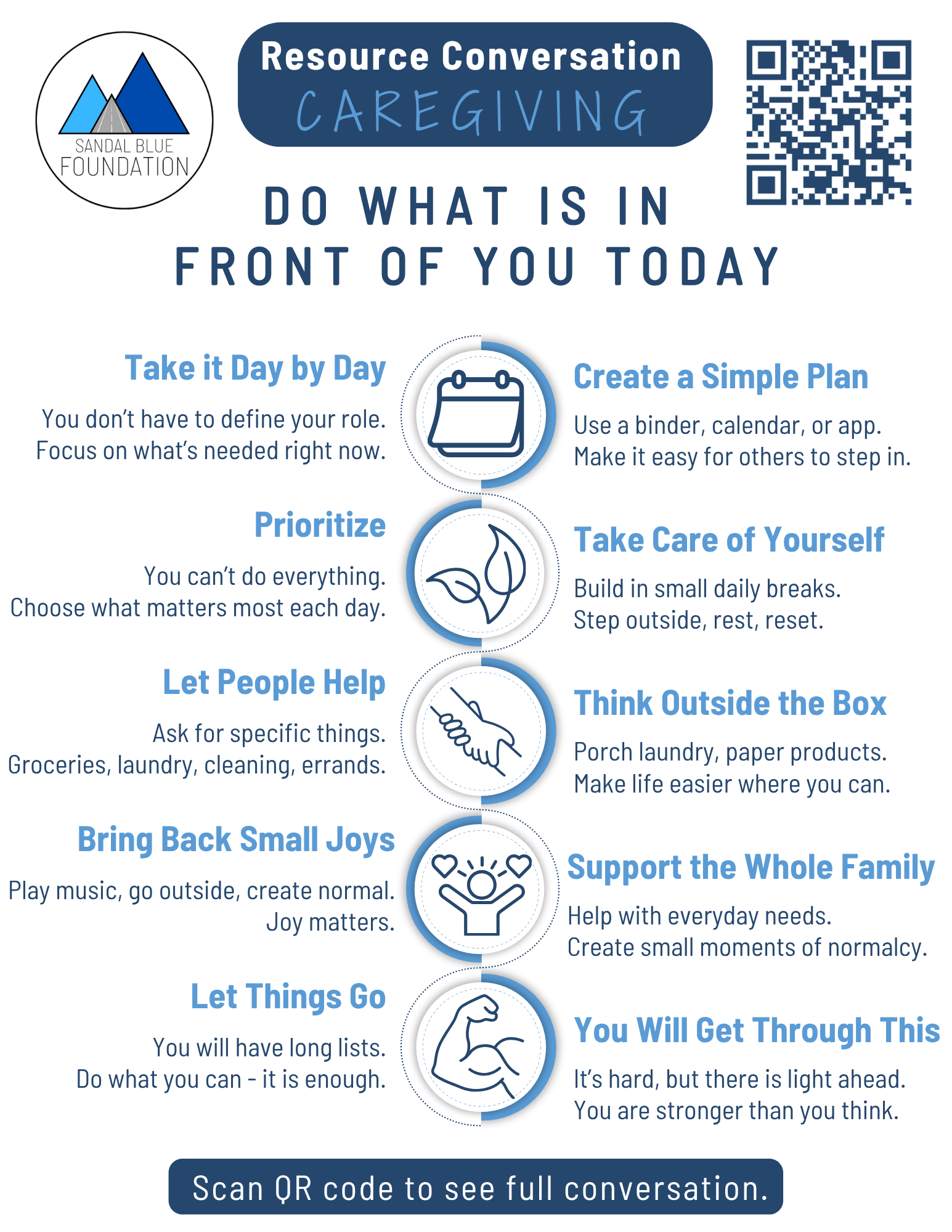
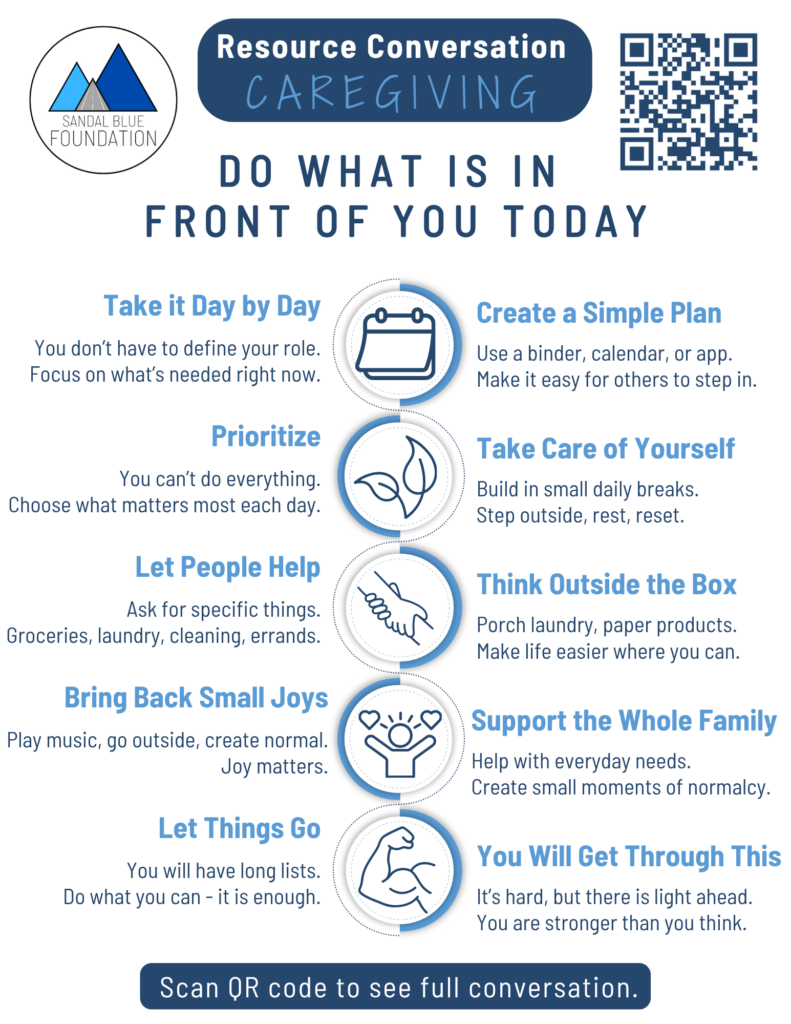
Caregiving After Trauma: Doing What’s in Front of You

Caregiving after a traumatic event is something no one can fully prepare for. One day your role looks one way, and the next it’s completely different. You may find yourself stepping into responsibilities that feel unfamiliar—medical, emotional, physical—all at once.

And the truth is, you may not be able to clearly define your role.

That’s okay.

Instead of trying to figure out the entire road ahead, focus on what’s right in front of you today. Caregiving often becomes a practice of going with the flow—responding to what’s needed in the moment, even when it’s outside your comfort zone.

Create a System That Supports You

When multiple people are involved in caregiving, communication and organization matter.

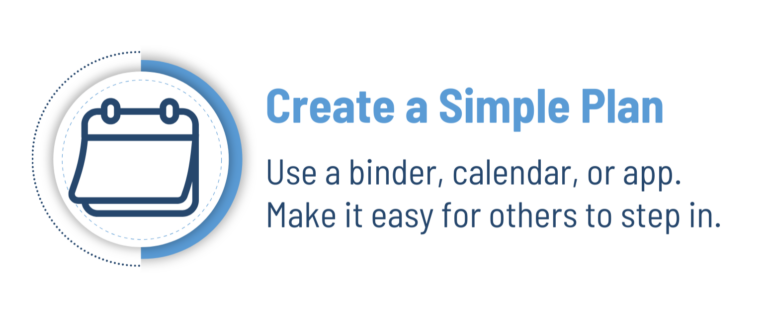
One simple, effective idea is to create a shared binder in the home:

  • Include calendars for each person being cared for
  • Write in daily schedules, appointments, and needs
  • Keep it in a central place so anyone helping can easily step in

Your system doesn’t have to be perfect—it just has to work for you.

For some, that might look like a paper calendar. For others, it’s a shared digital calendar or app. The goal is to create something that allows continuity of care, especially if you need to step away or others are helping carry the load.

Prioritize (and Let Some Things Go)

Your to-do list will likely feel endless.

But here’s the reality: it is too many things.

Each day, choose what matters most. Focus on what truly needs to be done, and give yourself permission to let other things wait. Prioritizing isn’t about doing everything—it’s about doing what matters most right now.

Take Care of the Caregiver

You cannot pour from an empty cup.

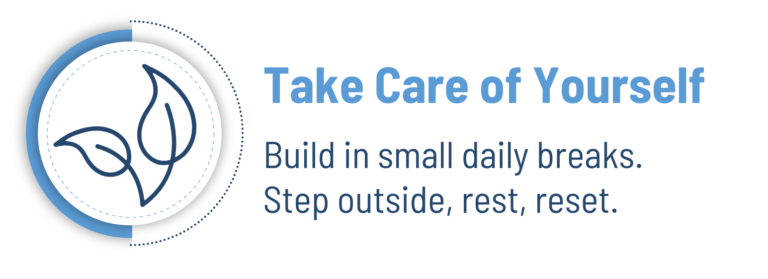
Even in the middle of everything, it’s essential to build in time for yourself each day—even if it’s small.

That might look like:

  • Taking a bath
  • Reading a few pages of a book
  • Going for a short walk
  • Stepping outside for fresh air

If leaving isn’t possible, simply changing rooms or finding a quiet moment can help reset your nervous system.

Caring for yourself isn’t a luxury—it’s what allows you to continue showing up.

Invite Help (and Think Outside the Box)

You are not meant to do this alone.

When people ask how they can help, it’s okay to give them real, tangible ways to step in. Sometimes that requires thinking creatively:

  • Have someone pick up and deliver groceries
  • Ask for help with school shopping for kids
  • Set laundry on the porch for someone to wash and return
  • Arrange for a cleaner to come help once survivors are home

Even small things—like providing paper products to reduce dishes—can make a meaningful difference.

Letting people help doesn’t make you less capable. It makes the load more sustainable.

Bring Moments of Joy Back In

In the middle of survival, it’s easy to lose sight of what feels normal or joyful.

Look for simple ways to bring that back:

  • Play music in the house
  • Dance in the kitchen
  • Do the things that once made your family smile

These moments won’t fix everything—but they can bring light into heavy days.

Even something like getting a haircut or doing a small “normal” activity can help restore a sense of self and emotional well-being.

Support the Whole Family

Caregiving isn’t just about the survivor—it’s about the entire family system.

Think about ways to ease the load for everyone:

  • Help children feel prepared with clothes or school supplies
  • Take care of tasks that often go unnoticed but add stress
  • Create small pockets of normalcy where you can

Every bit of support matters.

Managing the Long Road Ahead

Caregiving after trauma isn’t a short-term role for many—it’s a journey.

Managing stress is essential for the long haul:

  • Step outside when you can
  • Breathe deeply
  • Change your environment, even briefly

And remind yourself often: you don’t have to do everything.

A Final Reminder

This is hard.

There’s no way around that.

But there is also hope.

There is light at the end of the tunnel—even if you can’t see it yet.

People are more resilient than they realize. That includes the person you’re caring for, your family, and you.

Take it one day at a time.
Do what you can.
Let that be enough.

And most importantly—let people help.

Watch the full conversation as Tina shares simple, real life ways to navigate caregiving after trauma, including staying organized, asking for help, and taking care of yourself along the way.

Communication Specialist
Resource ConversationsSupport and Caregiving

The Power of a Communication Specialist

When Everything Feels Overwhelming: The Power of a Communication Specialist

In the middle of a medical crisis, information moves fast… and emotions move even faster.

People care deeply and want updates. Phones are buzzing. Questions are coming in. And for the survivor (and their closest family), even answering a simple “How are things?” can feel like too much.

This is where having a communication specialist can make a meaningful difference.

Not someone to manage the situation — but someone to hold the flow of communication with care, clarity, and consistency.

Why One Point of Contact Matters

When multiple people are sharing updates, even with the best intentions, things can quickly become confusing or miscommunicated.

Having one person responsible for updates:

  • Keeps information consistent and accurate
  • Reduces the risk of details getting unintentionally changed
  • Creates a predictable rhythm for sharing
  • Protects the survivor from having to repeat their story over and over

It becomes a simple, steady system in the middle of uncertainty.

Often, updates are shared through a group text thread or a central platform — making it easier for people to stay informed without overwhelming the survivor.

For the Survivor: Setting the Tone

One of the most important (and empowering) things a survivor can do is set expectations for how updates are shared.

In a situation that can feel completely out of control, this is one way to regain a sense of ownership.

You might consider:

  • What do you want included in updates?
  • What do you want left out?
  • What tone feels right for you? (For example: focusing on progress or positives)
  • Who should receive updates — and who shouldn’t?

It’s okay to be specific.
It’s okay to change your mind.
And it’s okay to ask for things to be shared in a way that feels aligned with you.

For the Helper: What This Role Really Means

Being the communication specialist is not about having the right words.

It’s about respecting the survivor’s voice and reflecting it back to others.

A few guiding principles:

  • Share, don’t interpret. Avoid adding opinions, assumptions, or extra meaning.
  • Follow their lead. Share what they want shared — nothing more, nothing less.
  • Limit questions. Your role isn’t to gather information, but to pass along what’s given.
  • Honor the vulnerability. This information is deeply personal. Be mindful of who it’s shared with.
  • Let it be simple. Updates don’t need to be perfect. People just want to know what’s going on.

Most importantly:
Your job is not to fix, advise, or manage. Your job is to love them — and communicate for them.

When Should Updates Be Shared?

As soon as information is available.

People who care are often waiting and checking in, hoping for news. Sharing updates in real-time (or as close to it as possible) helps ease that uncertainty.

Some people choose to:

  • Share updates as they come
  • Transition to daily summaries once things stabilize
  • Organize updates by individual if multiple people are involved

There’s no one “right” way — just what works best for the situation.

A Helpful Tool to Consider

One platform that many families find helpful is CaringBridge.

It’s a free site designed specifically for sharing updates during medical journeys. Some features include:

  • Time-stamped updates
  • The ability to post photos and videos
  • A space for others to leave comments and encouragement
  • Options to keep the page public or private

A quick note: the platform is donation-based. If you’re hoping to financially support the survivor, double-check that your donation is going directly to them — not just the platform

A Meaningful Idea to Hold Onto

In the middle of hard days, there are often small moments of light — encouraging messages, thoughtful texts, reminders of hope.

One beautiful way to preserve that:

  • Have the survivor send you meaningful messages, quotes, or images they receive
  • Save and compile them over time
  • Turn them into a printed book or keepsake

It becomes something they can return to — a reminder of how supported and loved they were through it all.

Final Thought

Communication might seem like a small piece of the puzzle… but in moments of crisis, it carries so much weight.

When done with intention, it:

  • Protects the survivor’s energy
  • Keeps loved ones connected
  • Creates clarity in the chaos

And most importantly — it reminds everyone involved that even in the hardest moments, no one is walking through it alone.

In this conversation, we explore how having a designated communication specialist can help protect a survivor’s energy, bring clarity to loved ones, and create a more thoughtful and consistent way of sharing updates during a medical crisis.

Surgery Day
Support and Caregiving

Surgery Day: Must-Haves for Caregivers

Being a caregiver on a loved one’s surgery day can feel overwhelming, especially for motor vehicle accident survivors and their families. Preparing yourself as the caregiver is just as important as preparing the patient.
Staying organized, nourished, and calm ensures you can provide the support your loved one needs throughout surgery and recovery.

1. Take Your Medications on Time

Surgeries often happen early in the morning, and changes to your routine can make it easy to forget your own medications. Set an alarm or keep medications in your bag to stay on track.

2. Plan for Extra Time

Even if the surgical team estimates a certain length of time for the procedure and recovery, plan for delays. If they suggest three hours, consider preparing for five. Extra time ensures less stress and more flexibility.
3. Organize Home and Work Responsibilities Ahead of Time

Knowing your home and work obligations are covered allows you to focus completely on your loved one. Arrange meals, childcare, and work tasks ahead of time to reduce distractions.

4. Pack a Small Bag with Essentials

Bring a small bag for both you and your loved one. Include items such as personal essentials, the patient’s valuables, snacks, water, and anything you may need during a potentially long wait.

5. Stay Nourished and Hydrated

Surgery days can be unpredictable. Bring breakfast and snacks for yourself, and drink plenty of water. Your loved one may be unable to eat or drink, but staying fueled and hydrated helps you remain alert, patient, and present.

6. Take Short Walks and Stretch Breaks

Once your loved one is in the operating room, take a few minutes to stretch, grab a snack, and refill your water bottle. Moving your body helps reduce stress and maintain energy for the waiting period ahead.

7. Create a Comfortable Waiting Space

Set up a space in the waiting room that works for you. Sit in a comfortable chair, bring a book or notebook, or set up a small “mini-workstation.” Comfort and mental breaks help you stay patient and attentive.
8. Take Refreshing Breaks

If surgery or recovery takes several hours, visit the hospital cafeteria for a hot or cold drink or a light snack. Small breaks can improve mood, reduce fatigue, and help you endure long waits with patience.
9. Prepare for the Drive Home
Keep a small kit in your car for the ride home. Include crackers, juice, water, and a blanket or wrap to keep your loved one comfortable. Having these items ready allows you to focus on safe driving while supporting their needs.

10. Pause and Recharge Your Mind

Take breaks from screens and technology. Step away to stretch, walk, breathe mindfully, or simply rest your eyes. Small pauses help maintain calm, focus, and patience throughout the day.


Final Thoughts

Being a caregiver on surgery day is a critical role, and your preparation directly impacts your loved one’s comfort and recovery. Staying hydrated, nourished, organized, and mindful ensures you can provide the support they need. You are doing a meaningful and invaluable service, and taking care of yourself makes you an even stronger caregiver.