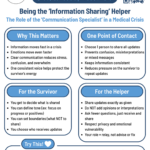
Caregiving After Trauma

Caregiving After Trauma: Doing What’s in Front of You
Caregiving after a traumatic event is something no one can fully prepare for. One day your role looks one way, and the next it’s completely different. You may find yourself stepping into responsibilities that feel unfamiliar—medical, emotional, physical—all at once.
And the truth is, you may not be able to clearly define your role.
That’s okay.
Instead of trying to figure out the entire road ahead, focus on what’s right in front of you today. Caregiving often becomes a practice of going with the flow—responding to what’s needed in the moment, even when it’s outside your comfort zone.
Create a System That Supports You
When multiple people are involved in caregiving, communication and organization matter.
One simple, effective idea is to create a shared binder in the home:
- Include calendars for each person being cared for
- Write in daily schedules, appointments, and needs
- Keep it in a central place so anyone helping can easily step in
Your system doesn’t have to be perfect—it just has to work for you.
For some, that might look like a paper calendar. For others, it’s a shared digital calendar or app. The goal is to create something that allows continuity of care, especially if you need to step away or others are helping carry the load.
Prioritize (and Let Some Things Go)
Your to-do list will likely feel endless.
But here’s the reality: it is too many things.
Each day, choose what matters most. Focus on what truly needs to be done, and give yourself permission to let other things wait. Prioritizing isn’t about doing everything—it’s about doing what matters most right now.
Take Care of the Caregiver
You cannot pour from an empty cup.
Even in the middle of everything, it’s essential to build in time for yourself each day—even if it’s small.
That might look like:
- Taking a bath
- Reading a few pages of a book
- Going for a short walk
- Stepping outside for fresh air
If leaving isn’t possible, simply changing rooms or finding a quiet moment can help reset your nervous system.
Caring for yourself isn’t a luxury—it’s what allows you to continue showing up.
Invite Help (and Think Outside the Box)
You are not meant to do this alone.
When people ask how they can help, it’s okay to give them real, tangible ways to step in. Sometimes that requires thinking creatively:
- Have someone pick up and deliver groceries
- Ask for help with school shopping for kids
- Set laundry on the porch for someone to wash and return
- Arrange for a cleaner to come help once survivors are home
Even small things—like providing paper products to reduce dishes—can make a meaningful difference.
Letting people help doesn’t make you less capable. It makes the load more sustainable.
Bring Moments of Joy Back In
In the middle of survival, it’s easy to lose sight of what feels normal or joyful.
Look for simple ways to bring that back:
- Play music in the house
- Dance in the kitchen
- Do the things that once made your family smile
These moments won’t fix everything—but they can bring light into heavy days.
Even something like getting a haircut or doing a small “normal” activity can help restore a sense of self and emotional well-being.
Support the Whole Family
Caregiving isn’t just about the survivor—it’s about the entire family system.
Think about ways to ease the load for everyone:
- Help children feel prepared with clothes or school supplies
- Take care of tasks that often go unnoticed but add stress
- Create small pockets of normalcy where you can
Every bit of support matters.
Managing the Long Road Ahead
Caregiving after trauma isn’t a short-term role for many—it’s a journey.
Managing stress is essential for the long haul:
- Step outside when you can
- Breathe deeply
- Change your environment, even briefly
And remind yourself often: you don’t have to do everything.
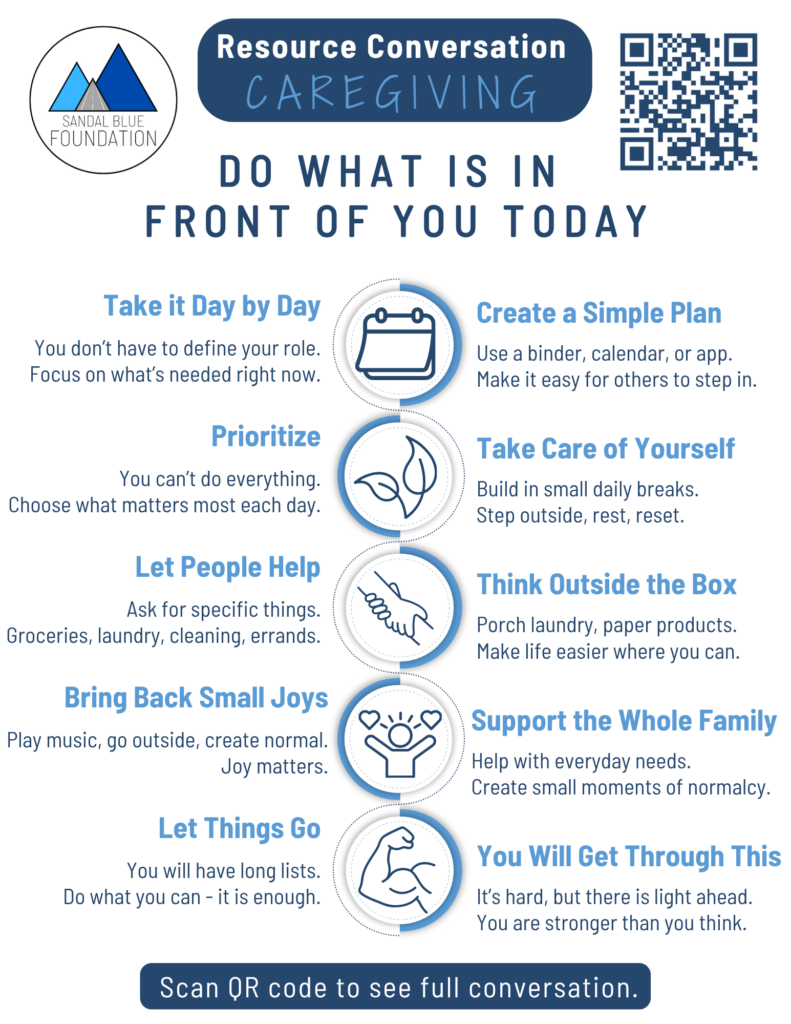
A Final Reminder
This is hard.
There’s no way around that.
But there is also hope.
There is light at the end of the tunnel—even if you can’t see it yet.
People are more resilient than they realize. That includes the person you’re caring for, your family, and you.
Take it one day at a time.
Do what you can.
Let that be enough.
And most importantly—let people help.
Watch the full conversation as Tina shares simple, real life ways to navigate caregiving after trauma, including staying organized, asking for help, and taking care of yourself along the way.