Live Interview on KSL Channel 5 News with Shara Park







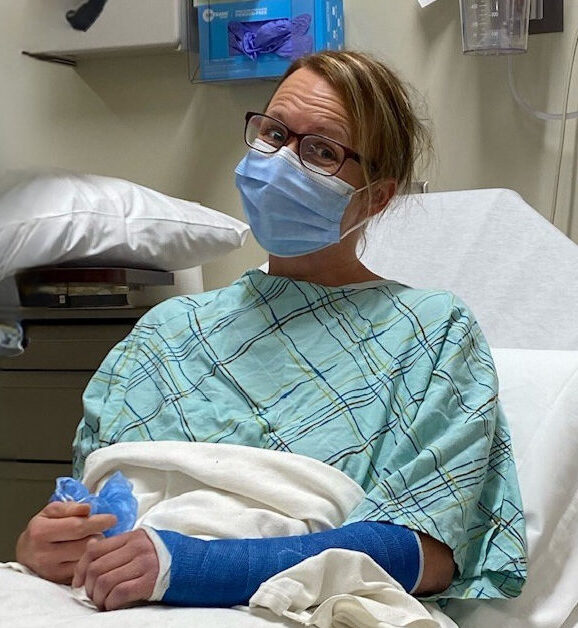
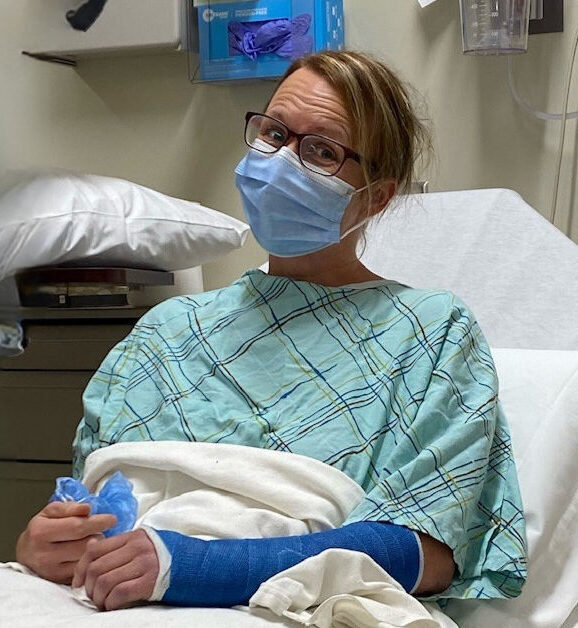
The Jackson family joined KSL Channel 5 News for a live interview with Shara Park to share their personal story and help raise awareness during the 100 Deadliest Days of Summer. In partnership with the Zero Fatalities campaign, this conversation highlights the real and lasting impact of motor vehicle incidents and the importance of making safe choices on the road.
A powerful reminder of how quickly life can change – and why safe choices on the road matter.
We’re grateful for opportunities like this to share our story and advocate for survivors and their families!
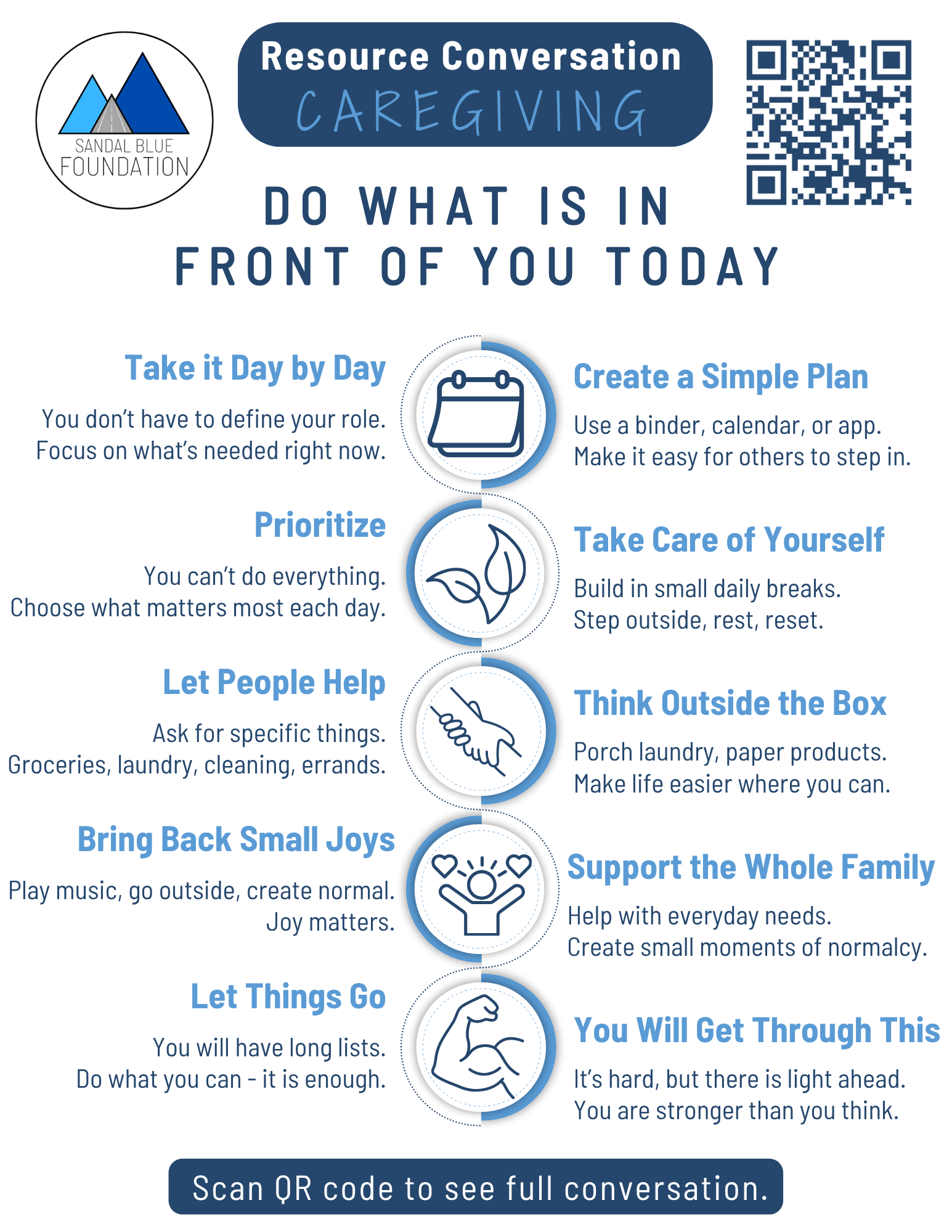
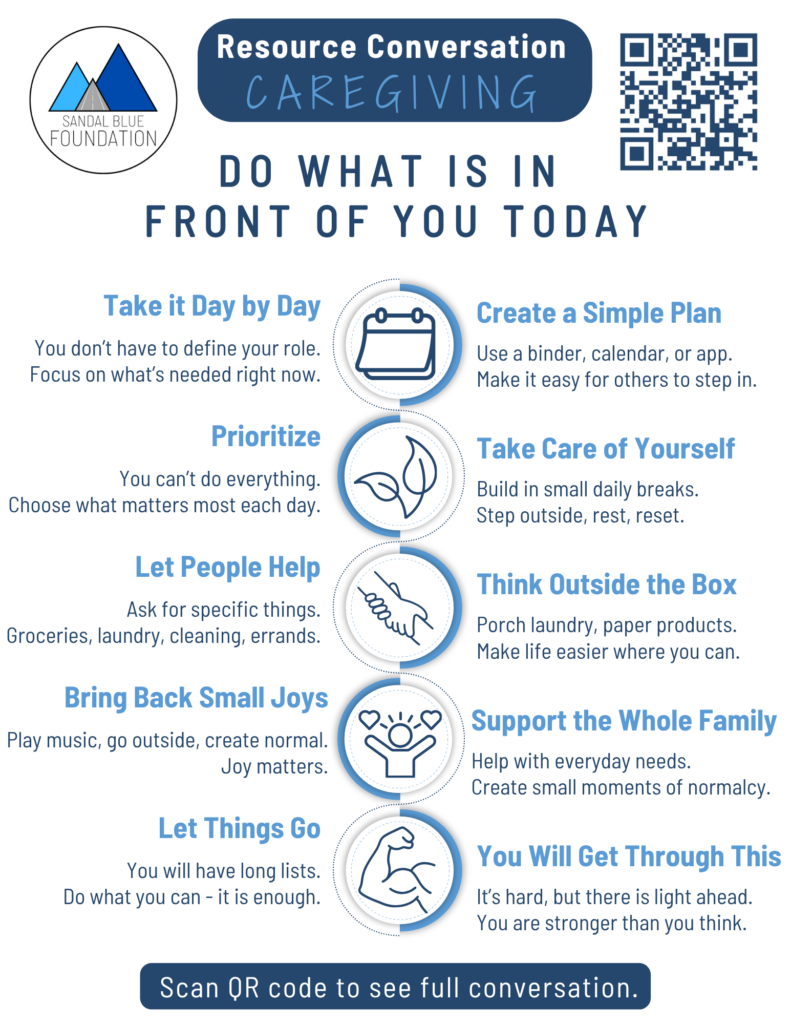
Caregiving after a traumatic event is something no one can fully prepare for. One day your role looks one way, and the next it’s completely different. You may find yourself stepping into responsibilities that feel unfamiliar—medical, emotional, physical—all at once.
And the truth is, you may not be able to clearly define your role.
That’s okay.
Instead of trying to figure out the entire road ahead, focus on what’s right in front of you today. Caregiving often becomes a practice of going with the flow—responding to what’s needed in the moment, even when it’s outside your comfort zone.
When multiple people are involved in caregiving, communication and organization matter.
One simple, effective idea is to create a shared binder in the home:
Your system doesn’t have to be perfect—it just has to work for you.
For some, that might look like a paper calendar. For others, it’s a shared digital calendar or app. The goal is to create something that allows continuity of care, especially if you need to step away or others are helping carry the load.
Your to-do list will likely feel endless.
But here’s the reality: it is too many things.
Each day, choose what matters most. Focus on what truly needs to be done, and give yourself permission to let other things wait. Prioritizing isn’t about doing everything—it’s about doing what matters most right now.
You cannot pour from an empty cup.
Even in the middle of everything, it’s essential to build in time for yourself each day—even if it’s small.
That might look like:
If leaving isn’t possible, simply changing rooms or finding a quiet moment can help reset your nervous system.
Caring for yourself isn’t a luxury—it’s what allows you to continue showing up.
You are not meant to do this alone.
When people ask how they can help, it’s okay to give them real, tangible ways to step in. Sometimes that requires thinking creatively:
Even small things—like providing paper products to reduce dishes—can make a meaningful difference.
Letting people help doesn’t make you less capable. It makes the load more sustainable.
In the middle of survival, it’s easy to lose sight of what feels normal or joyful.
Look for simple ways to bring that back:
These moments won’t fix everything—but they can bring light into heavy days.
Even something like getting a haircut or doing a small “normal” activity can help restore a sense of self and emotional well-being.
Caregiving isn’t just about the survivor—it’s about the entire family system.
Think about ways to ease the load for everyone:
Every bit of support matters.
Caregiving after trauma isn’t a short-term role for many—it’s a journey.
Managing stress is essential for the long haul:
And remind yourself often: you don’t have to do everything.
This is hard.
There’s no way around that.
But there is also hope.
There is light at the end of the tunnel—even if you can’t see it yet.
People are more resilient than they realize. That includes the person you’re caring for, your family, and you.
Take it one day at a time.
Do what you can.
Let that be enough.
And most importantly—let people help.
Watch the full conversation as Tina shares simple, real life ways to navigate caregiving after trauma, including staying organized, asking for help, and taking care of yourself along the way.
When Everything Feels Overwhelming: The Power of a Communication Specialist
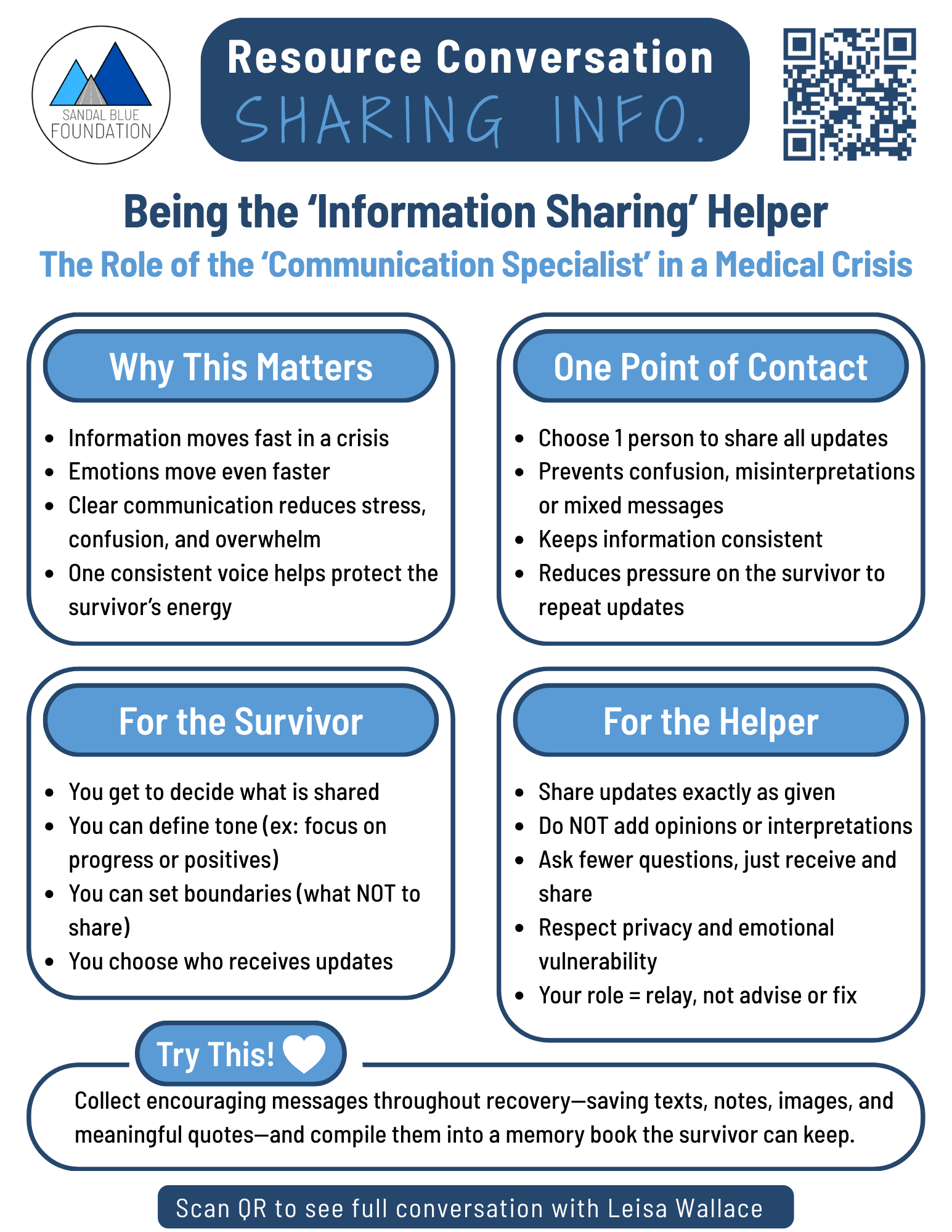
In the middle of a medical crisis, information moves fast… and emotions move even faster.
People care deeply and want updates. Phones are buzzing. Questions are coming in. And for the survivor (and their closest family), even answering a simple “How are things?” can feel like too much.
This is where having a communication specialist can make a meaningful difference.
Not someone to manage the situation — but someone to hold the flow of communication with care, clarity, and consistency.
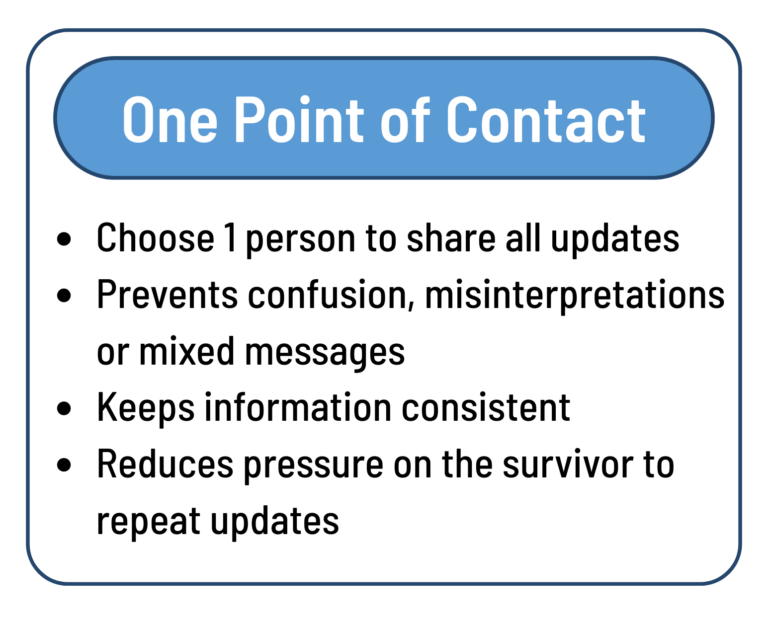
When multiple people are sharing updates, even with the best intentions, things can quickly become confusing or miscommunicated.
Having one person responsible for updates:
It becomes a simple, steady system in the middle of uncertainty.
Often, updates are shared through a group text thread or a central platform — making it easier for people to stay informed without overwhelming the survivor.
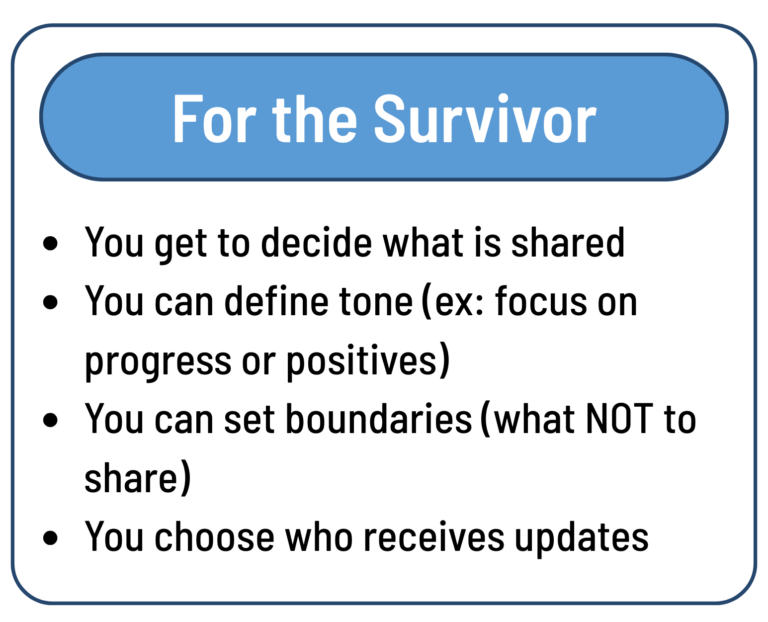
One of the most important (and empowering) things a survivor can do is set expectations for how updates are shared.
In a situation that can feel completely out of control, this is one way to regain a sense of ownership.
You might consider:
It’s okay to be specific.
It’s okay to change your mind.
And it’s okay to ask for things to be shared in a way that feels aligned with you.
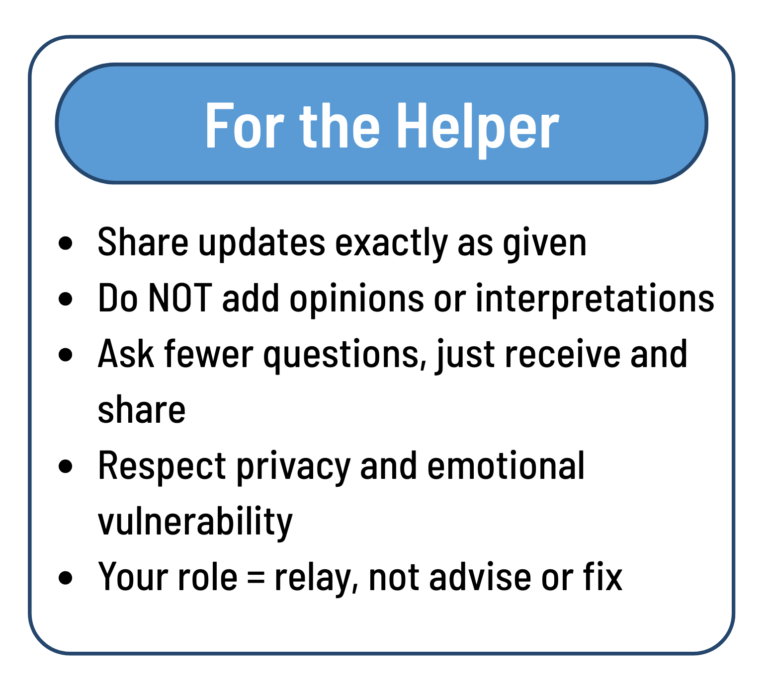
Being the communication specialist is not about having the right words.
It’s about respecting the survivor’s voice and reflecting it back to others.
A few guiding principles:
Most importantly:
Your job is not to fix, advise, or manage. Your job is to love them — and communicate for them.
As soon as information is available.
People who care are often waiting and checking in, hoping for news. Sharing updates in real-time (or as close to it as possible) helps ease that uncertainty.
Some people choose to:
There’s no one “right” way — just what works best for the situation.
One platform that many families find helpful is CaringBridge.
It’s a free site designed specifically for sharing updates during medical journeys. Some features include:
A quick note: the platform is donation-based. If you’re hoping to financially support the survivor, double-check that your donation is going directly to them — not just the platform
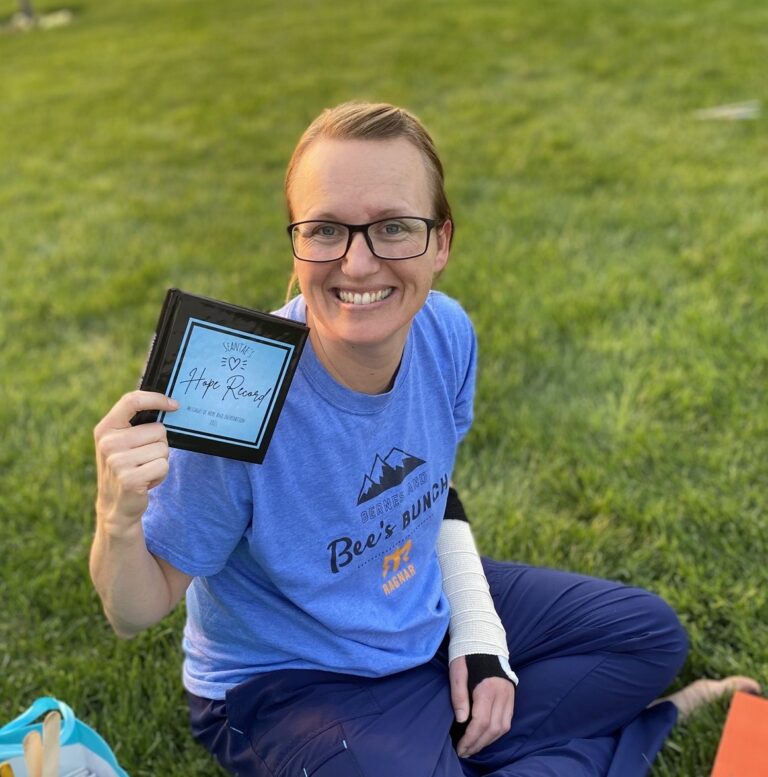
In the middle of hard days, there are often small moments of light — encouraging messages, thoughtful texts, reminders of hope.
One beautiful way to preserve that:
It becomes something they can return to — a reminder of how supported and loved they were through it all.
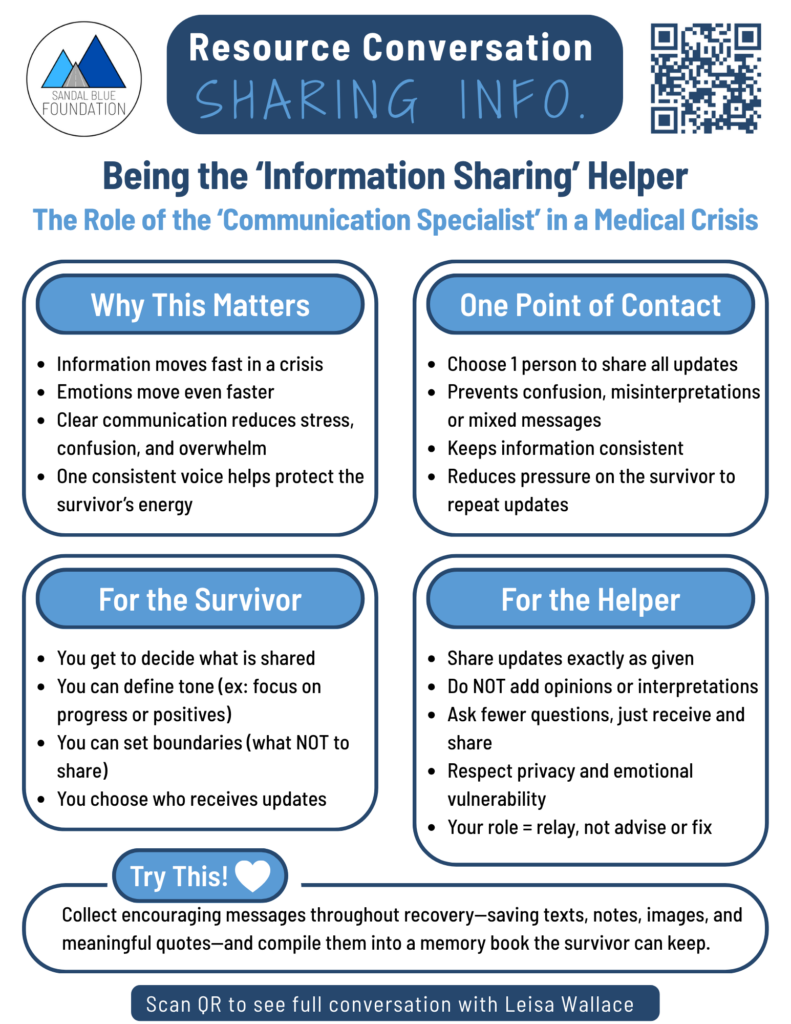
Communication might seem like a small piece of the puzzle… but in moments of crisis, it carries so much weight.
When done with intention, it:
And most importantly — it reminds everyone involved that even in the hardest moments, no one is walking through it alone.
In this conversation, we explore how having a designated communication specialist can help protect a survivor’s energy, bring clarity to loved ones, and create a more thoughtful and consistent way of sharing updates during a medical crisis.
A Resource Conversation with Sarah Stasica from Medical Trauma Support
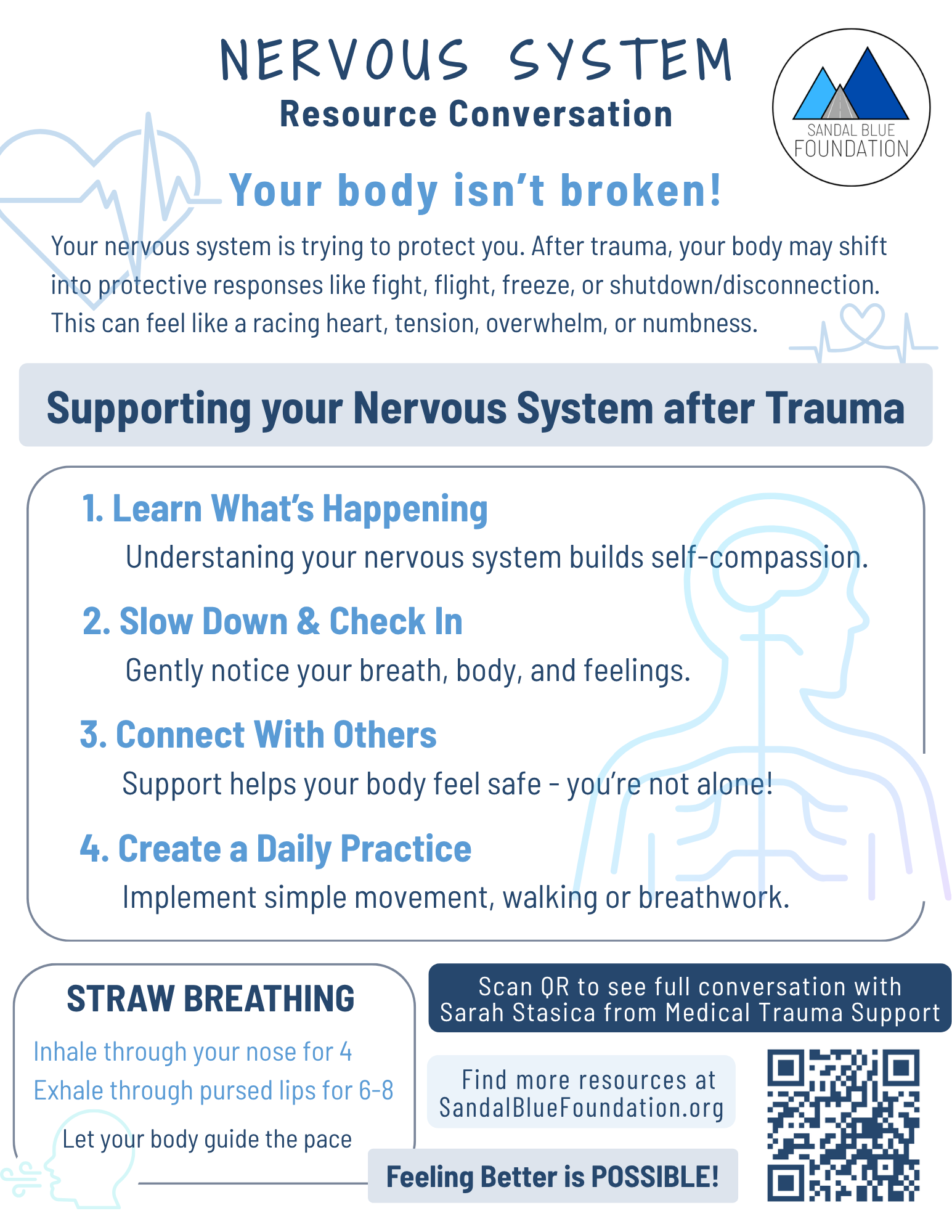
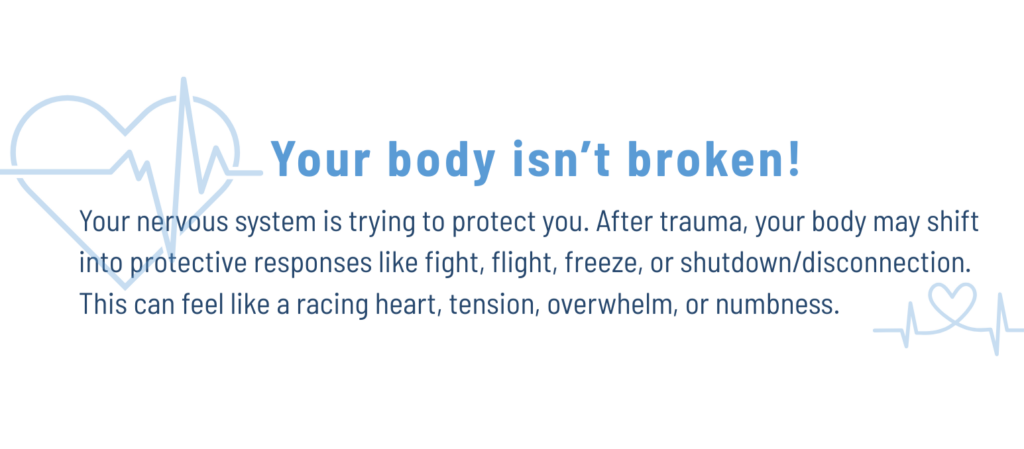
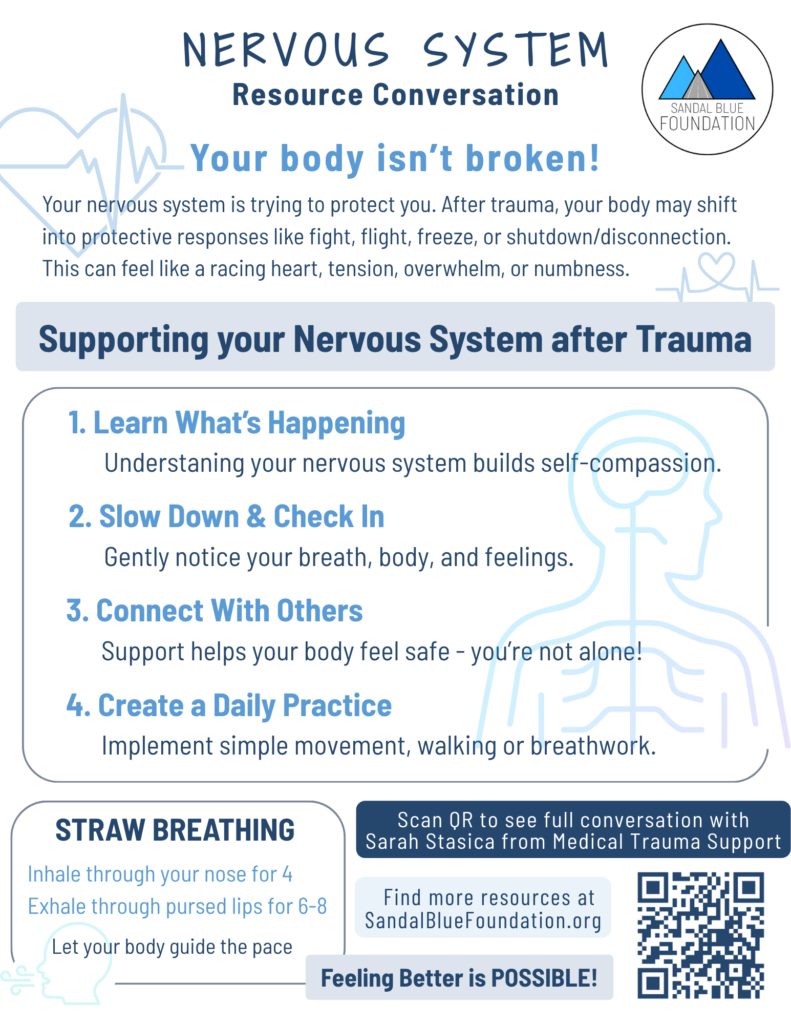
After trauma, it’s common to feel like your body is working against you.
A racing heart. Tight muscles. A sense of panic—or, on the other end, feeling shut down, disconnected, or numb.
These responses can feel confusing, especially when there isn’t immediate danger. But what if your body isn’t broken… just trying to protect you?
In this resource conversation, we explored how the nervous system works, why these responses happen, and most importantly—what you can gently do over time to support your healing.
The part of the nervous system we focused on is the autonomic nervous system—the system that runs automatically, without you needing to think about it.
It has two main branches:
A key player here is the vagus nerve, which makes up a large part of the parasympathetic system. When we stimulate the vagus nerve, we help the body move toward a state where healing is possible.
Your nervous system has one main job: keep you safe.
It’s constantly scanning for signs of danger and safety—a process called neuroception.
This happens in a few ways:
When your nervous system senses danger, it can automatically shift into protective responses like:
These are not choices—they are automatic responses designed to protect you.
Safety isn’t just something you know—it’s something your body feels.
This “felt sense of safety” is often sensory:
After trauma, your system may become more sensitive to danger cues. But the hopeful truth is this:
We can also help the nervous system learn to recognize safety again.
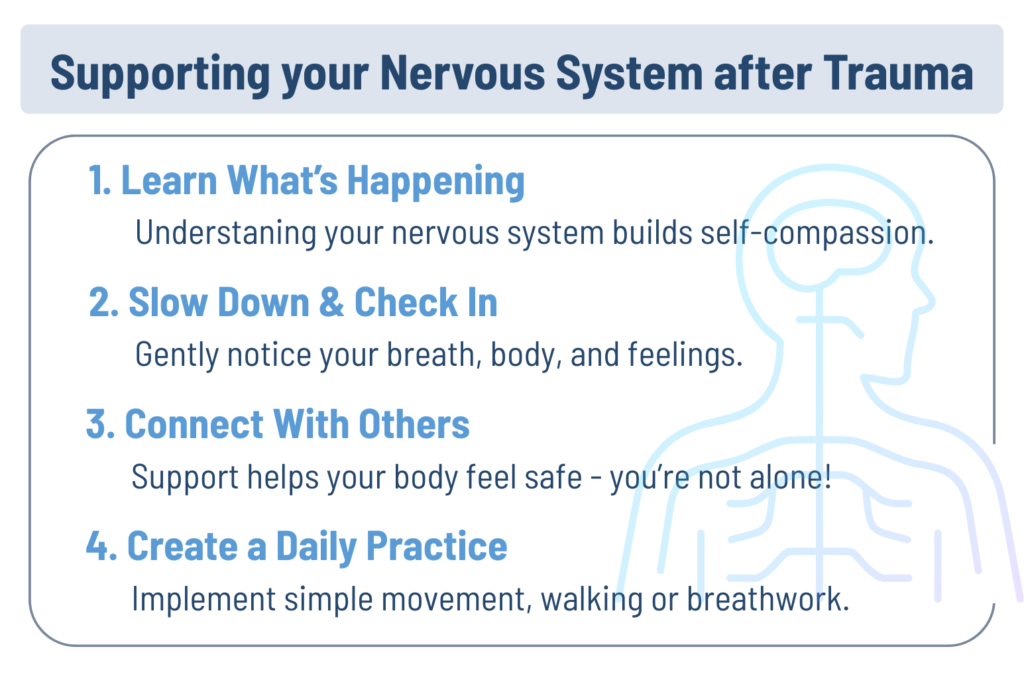
There are many ways to support your nervous system, but we’re focusing on four simple, manageable practices you can build into everyday life.
Understanding what’s happening in your body can be incredibly empowering.
When you recognize that your responses are protective—not broken—you can begin to meet yourself with more compassion instead of frustration.
Slowing down can feel challenging—especially after trauma.
In fact, many people need support (like a therapist or trusted person) when they first begin this process.
But gently checking in might look like:
This is similar to mindfulness—being present with yourself, even in small moments.
Healing is not meant to happen in isolation.
Connection with others creates co-regulation, where your nervous system can begin to feel safe through being with safe people.
Support might look like:
This can help reduce isolation and shame—and remind you that:
there is nothing “wrong” with you, and you are not alone in what you’re feeling.
Consistency matters more than complexity.
A daily practice helps your nervous system regulate over time.
This could include:
Movement, in particular, helps release excess energy your body has mobilized during stress.
Here are a few gentle ways to begin supporting your system:
Slowly look around your environment.
Let your eyes move to the horizon, then gently scan side to side, noticing where you are.
This helps your nervous system recognize: I am here. I am safe right now.
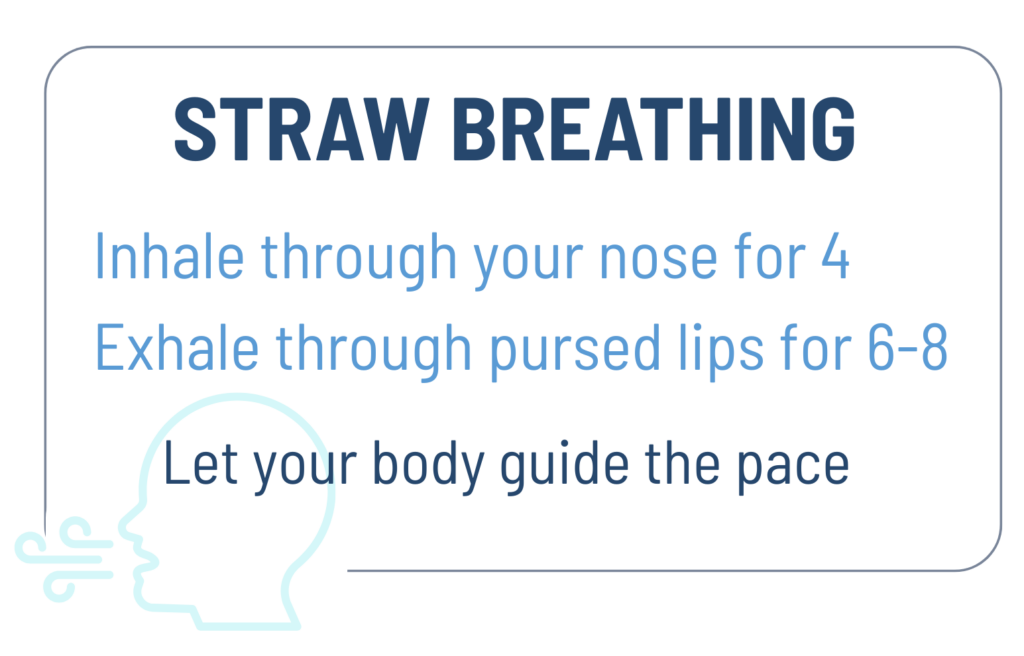
Let your body guide the pace—there is no “perfect” way.
Shaking, dancing, walking—any form of movement can help regulate your system by releasing stored energy.
One of the most important takeaways:
We aren’t built to simply “calm down” on command.
The autonomic nervous system operates automatically—it doesn’t rely on logic or the thinking part of the brain.
That’s why healing isn’t about forcing calm—it’s about building safety.
Over time, healing tends to include:
Nervous system healing doesn’t happen overnight.
Often, you won’t notice changes day to day—but when you look back, you may see how far you’ve come.
There are ways to support your body.
There are ways to feel more grounded.
Feeling better is possible.
Watch the full conversation here and explore more resources on post-trauma life at Sandal Blue Foundation.
In a world where stress can easily become stored in the body, many people are turning to breathwork as a simple yet powerful way to regulate the nervous system, release emotional tension, and reconnect with a sense of safety.
One expert who speaks to this work is Tricia Sexton of Rooted Journey, who helps people understand how intentional breathing can support healing—especially for those navigating trauma or chronic stress.
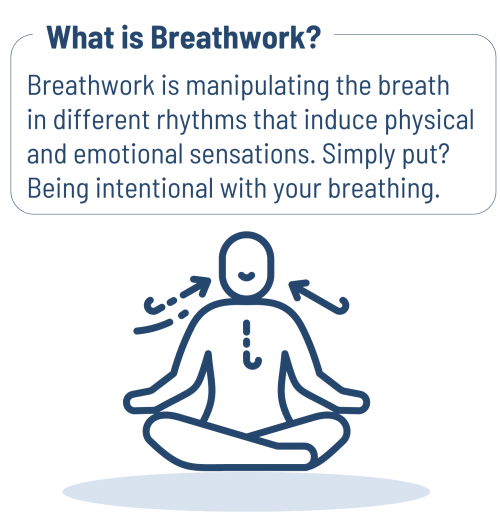
Breathwork refers to a variety of intentional breathing practices designed to influence physical, emotional, and mental states.
In yogic tradition, breathwork is known as pranayama, which focuses on controlled, often gentle breath regulation to support balance in the body and mind.
More modern approaches include styles like:
Across all styles, the foundation remains the same: using breath intentionally to shift how the body and nervous system are functioning.
For individuals experiencing trauma or prolonged stress, the body can remain stuck in a heightened survival state known as fight or flight.
Breathwork helps bring the body back into rest and digest, a state where:
In simple terms, breathwork helps remind the body that it is safe.
When that shift happens, stored stress and emotional energy can begin to move rather than stay trapped in the system.
Stress is not just mental—it is physiological. When overwhelming experiences are not fully processed, they can remain in the body as tension, anxiety, or emotional reactivity.
Breathwork works because it directly interacts with the autonomic nervous system, helping to:
It is not about forcing change, but about gently guiding the body back into balance.
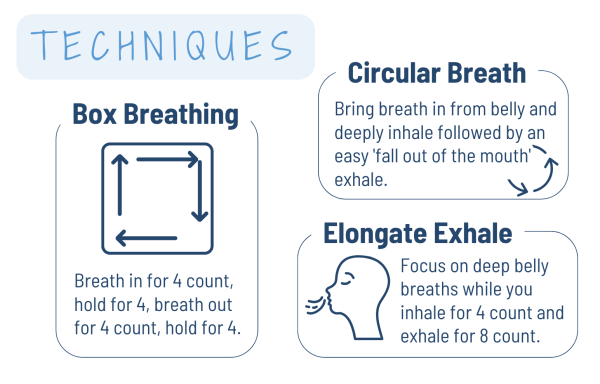
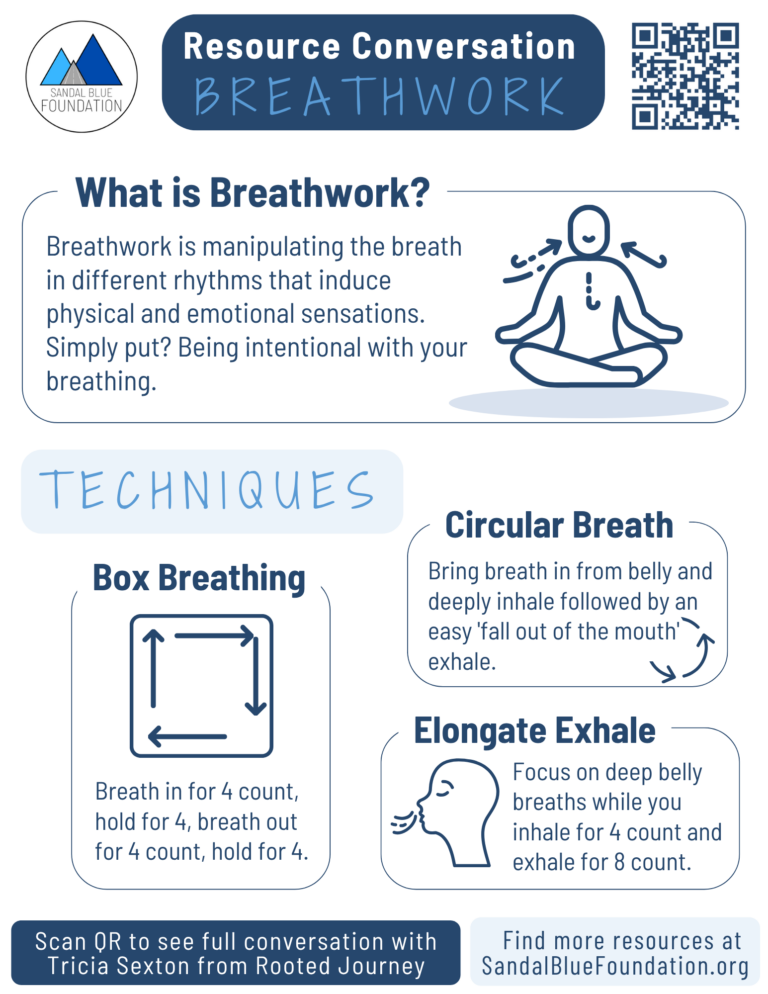
One of the most important principles in breathwork is simplicity. You do not need complex methods to begin experiencing benefits. The key is consistency and awareness.
Here are a few accessible techniques:
A grounding technique often used to calm anxiety and stabilize the nervous system.
A simple way to shift the body into a calmer state.
This practice combines breath with present-moment awareness.
This helps build nervous system awareness and emotional presence.
A more active practice often used for emotional release.
This can be practiced for up to 10 minutes and may help move “stuck” emotional energy through the body.
Breathwork is not about doing it perfectly—it is about noticing what your body needs.
Different techniques create different effects, so it is important to:
What works for one person may not work for another, and that is okay.
The goal is not intensity—it is regulation, awareness, and connection.
Breath is something we always have access to, yet it is often overlooked as a tool for healing.
Practices like those shared through Rooted Journey remind us that something as simple as conscious breathing can help bring the body back into balance, release stored stress, and support emotional healing from the inside out.
If this resonated with you, we’d invite you to listen to the full resource conversation below.
Tricia shares more about how breathwork supports the nervous system, emotional release, and how to begin in a way that feels simple and doable.
Take it in however you need – audio on, or captions along the way.