Tag: trauma recovery

Post-Trauma LifeResource ConversationsSupport and CaregivingYou Are Not Alone

Personalized Recovery Support After Trauma

Resource Conversation with Matt Kalina from TandemStride

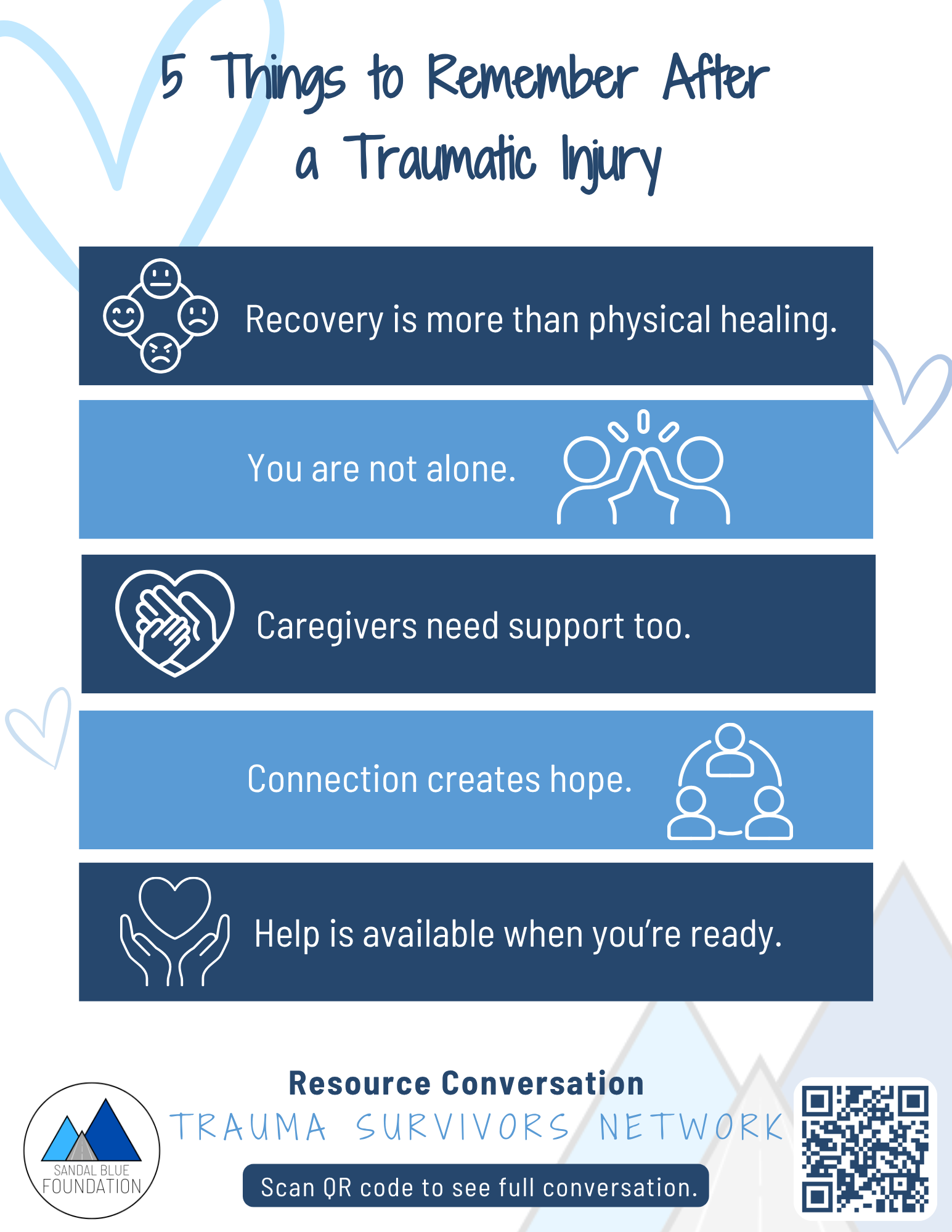
Recovery doesn’t end at discharge.

For many survivors and caregivers, that moment—leaving the hospital—is where a new kind of uncertainty begins. There’s often relief, but also hesitation, fear, and a very real question: what happens now?

This resource conversation with Matt Kalina from TandemStride focuses on that exact transition point, and how personalized, trauma-informed support can help people feel less alone in it.

These conversations are designed to give motor vehicle incident survivors and their caregivers practical tools, guidance, and support as they move through recovery—especially in the spaces where systems often fall short.

A Personal Beginning to the Work

Matt’s connection to this work is deeply personal.

His brother was involved in a pedestrian train accident 14 years ago and became a bilateral amputee at age 23. That experience shaped Matt’s understanding of what recovery can feel like when there is no roadmap—when you are trying to rebuild your life while also trying to understand what that life will even look like.

Later, after a decade of building healthcare technology, Matt kept seeing the same gap repeat itself: even with advances in medicine and systems, trauma survivors were still often left feeling alone after discharge, without clear guidance or connection.

TandemStride was built from that gap.

The Space After the Hospital

One of the most consistent challenges in trauma recovery is the transition from acute care to home.

Hospital discharge is often treated as an endpoint, but for survivors and caregivers, it can feel like the beginning of the hardest part. There is often hesitation, resistance, and uncertainty about what recovery actually looks like day to day.

TandemStride was designed to support that exact transition—helping people move from structured hospital care back into everyday life with more guidance, connection, and support.

The platform is used primarily by survivors with physical traumatic injuries such as spinal cord injuries, amputations, polytrauma, major fractures, burns, gunshot wounds, and violent crimes. Most users join within 7–14 days of discharge, though support is available at any point in recovery.

A Different Kind of Recovery Support

At the core of TandemStride is a simple idea: recovery shouldn’t be something you navigate alone.

The platform uses insights from thousands of trauma survivor journeys to better understand when challenges typically arise—such as mental health changes, substance use risk, or other barriers that can show up later in recovery.

Instead of waiting for those challenges to become crises, TandemStride works to identify patterns early and offer support proactively.

That includes:

  • Connecting survivors with peer mentors (often matched by injury type or age at injury)
  • Helping users find local resources through guided navigation
  • Offering caregiver and survivor-facing tools inside a single platform
  • Supporting both passive and active engagement, depending on what feels manageable

Get the App

TandemStride is available on the App Store and Google Play.

It is free to download and use, with some features varying depending on regional partnerships or programs (such as certain state-based initiatives).

Meeting People Where They Are

When users first open the TandemStride app, they are met with a simple question: What is your biggest challenge right now?

From there, the experience is personalized. The app guides users toward resources based on what they need most in that moment, rather than forcing them through a one-size-fits-all system.

This “choose your own adventure” approach allows survivors to engage in a way that feels right for them—whether that’s actively exploring resources or simply having support available in the background.

Community, Connection, and Not Feeling Alone

A major focus of TandemStride is building connections between survivors who understand what each other is going through.

On May 20th, 2026 – the platform is launching a new Communities feature designed specifically for trauma survivors.

Inside these communities, users can:

  • Check in daily or share updates and milestones
  • Connect with others going through similar experiences
  • Engage through likes, comments, or quiet observation
  • Use AI-supported tools to find local resources
  • Complete optional mental health screeners with guidance

Importantly, users can choose how they engage—there is no pressure to share more than they want to.

Trauma-Informed by Design

A key part of TandemStride’s approach is making sure the platform is safe and adaptable for people in different stages of recovery.

That includes features such as:

  • Content moderation to reduce exposure to triggering material
  • Options to label posts as “high intensity,” with user-controlled viewing
  • The ability to share without receiving advice or feedback
  • Topic filtering so users can control what they see

This design acknowledges something important: recovery is not just physical. Emotional safety matters too.

Small Steps Forward

TandemStride also includes a milestones feature that visually reflects progress over time.

As users engage, their milestone image gradually fills in—starting blank and slowly becoming more complete. It’s a simple but meaningful way to reflect growth, effort, and consistency in recovery.

It also serves as a reminder that progress is often made in small, quiet steps—not just big moments.

A Platform Built by Survivors, for Survivors

At its core, TandemStride is built around lived experience.

It is not just a technology platform—it is an attempt to create something that understands what it feels like to go through a life-altering injury and try to rebuild from there.

The intention is not to replace care teams or support systems, but to extend them—especially into the space where people often feel the most alone.

Why Social Support is Important in Trauma Recovery

A Closing Note

This conversation highlights something that is often overlooked in trauma recovery: the space between hospital and home matters just as much as what happens inside the hospital.

We are grateful to Matt Kalina and the TandemStride team for the work they are doing to bring more structure, connection, and humanity into that space.

A sincere thank you to TandemStride for sponsoring this episode and supporting efforts to make recovery more accessible and less isolating for survivors and caregivers.

Watch our full resource conversation with Matt Kalina from TandemStride about navigating recovery after traumatic injury, finding support after hospital discharge, and building connection through survivor-centered care.

First Responders
Media and Features

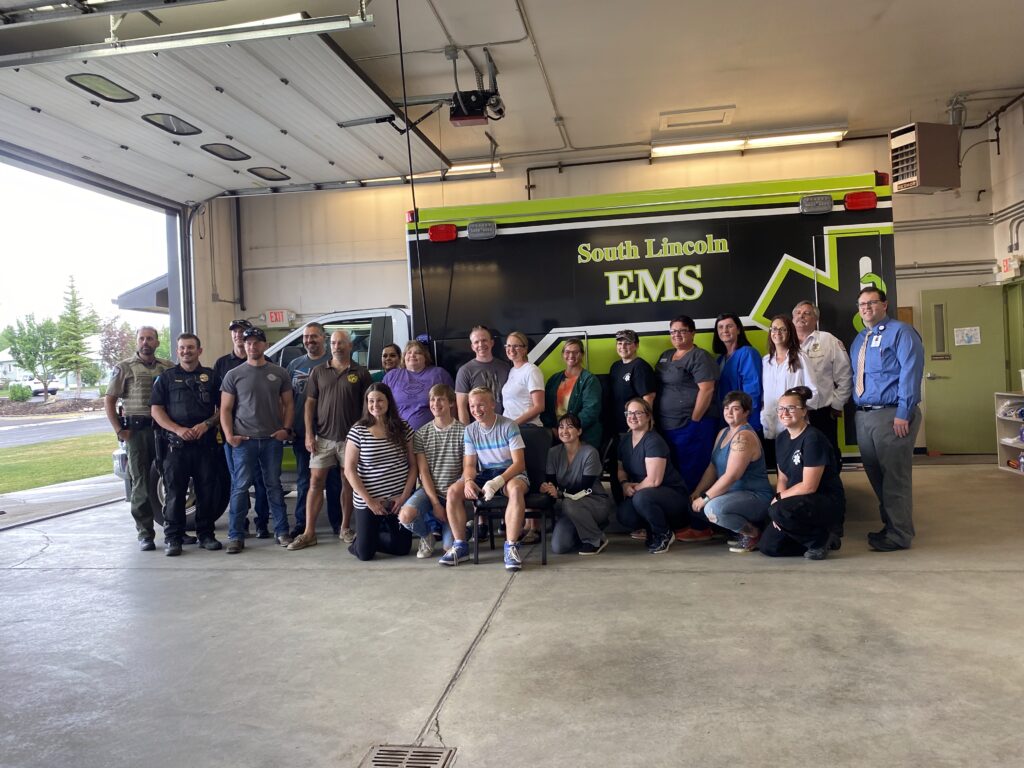
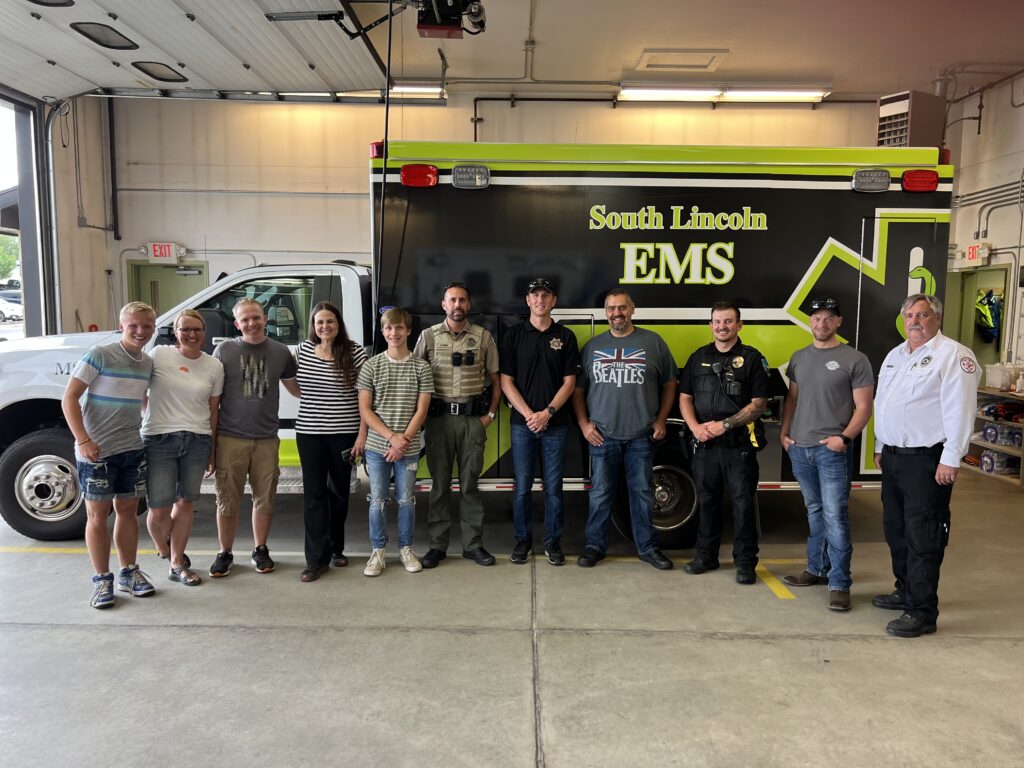
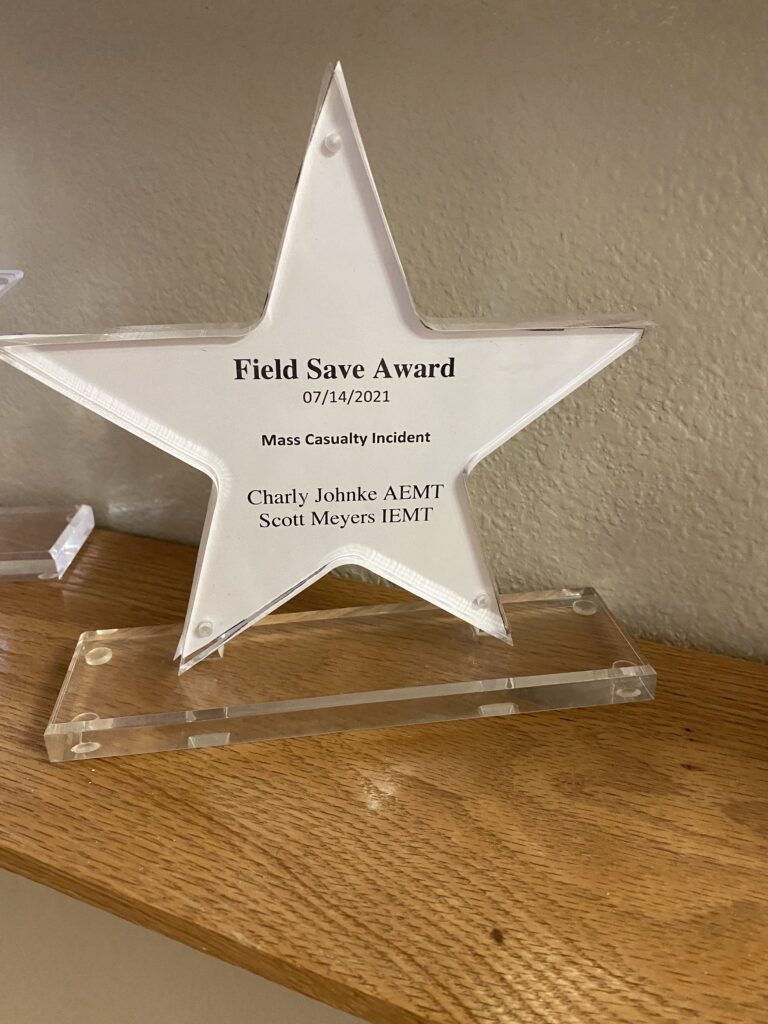
1 Year Anniversary: Expressing Gratitude to First Responders and Medical Teams

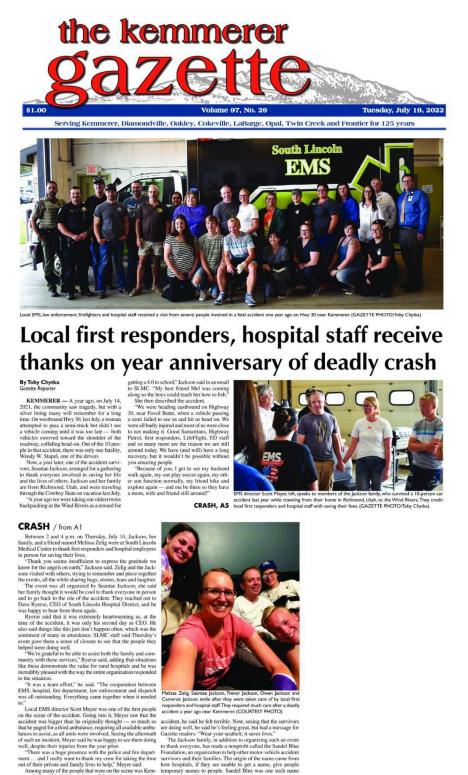
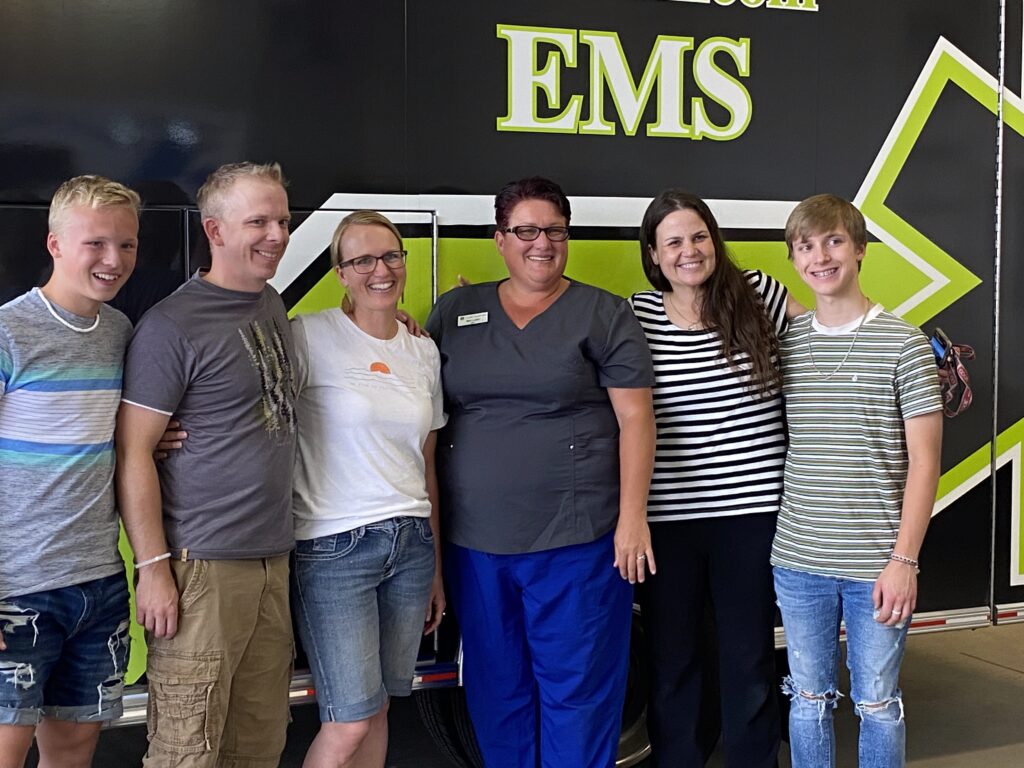
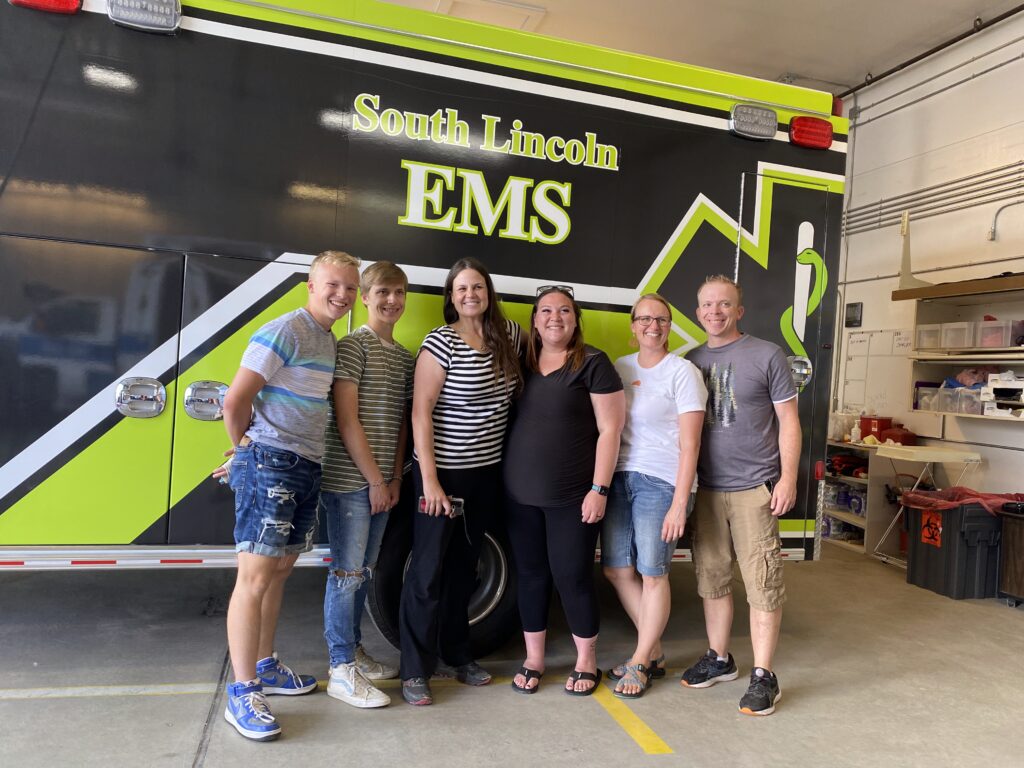
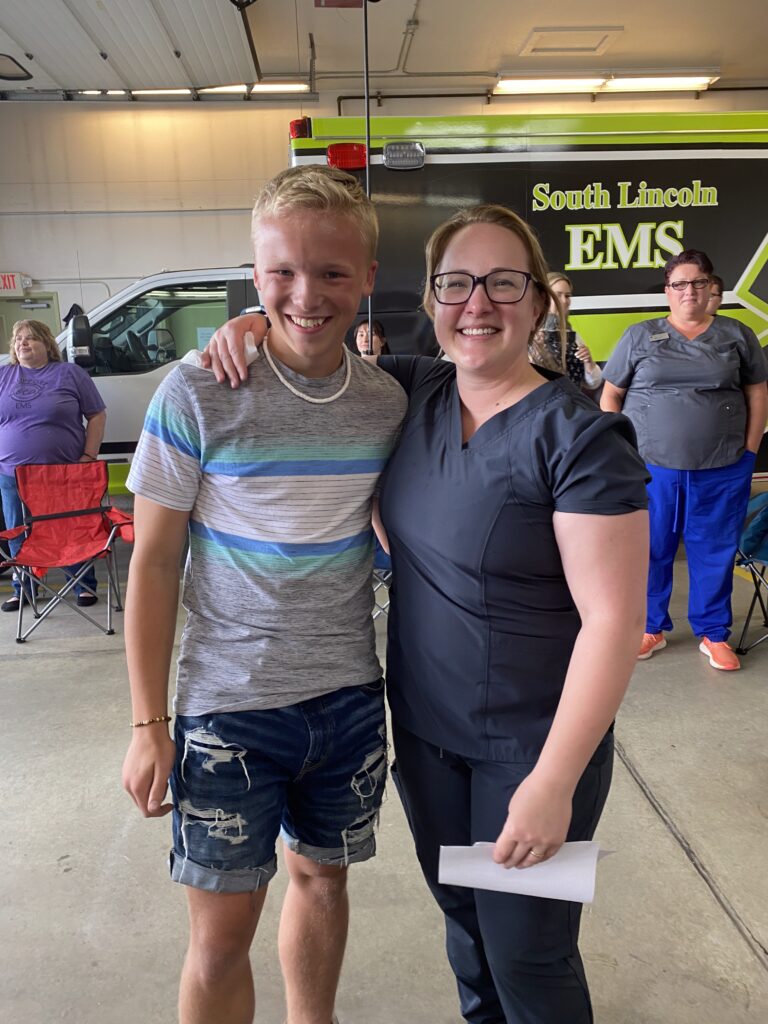
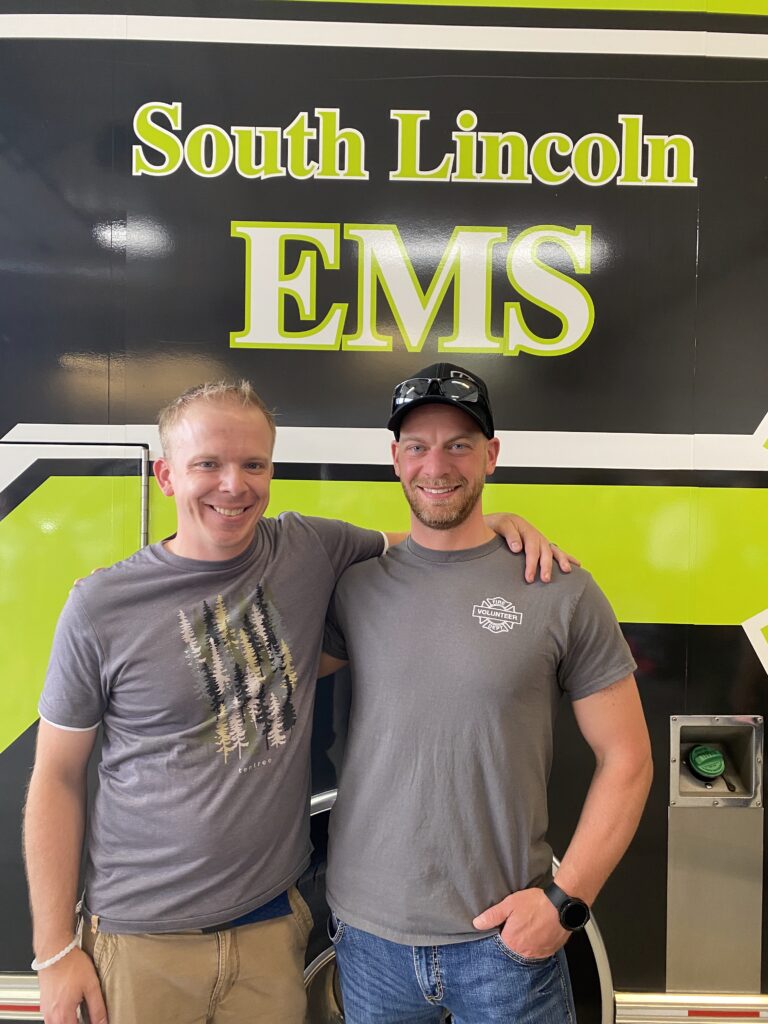
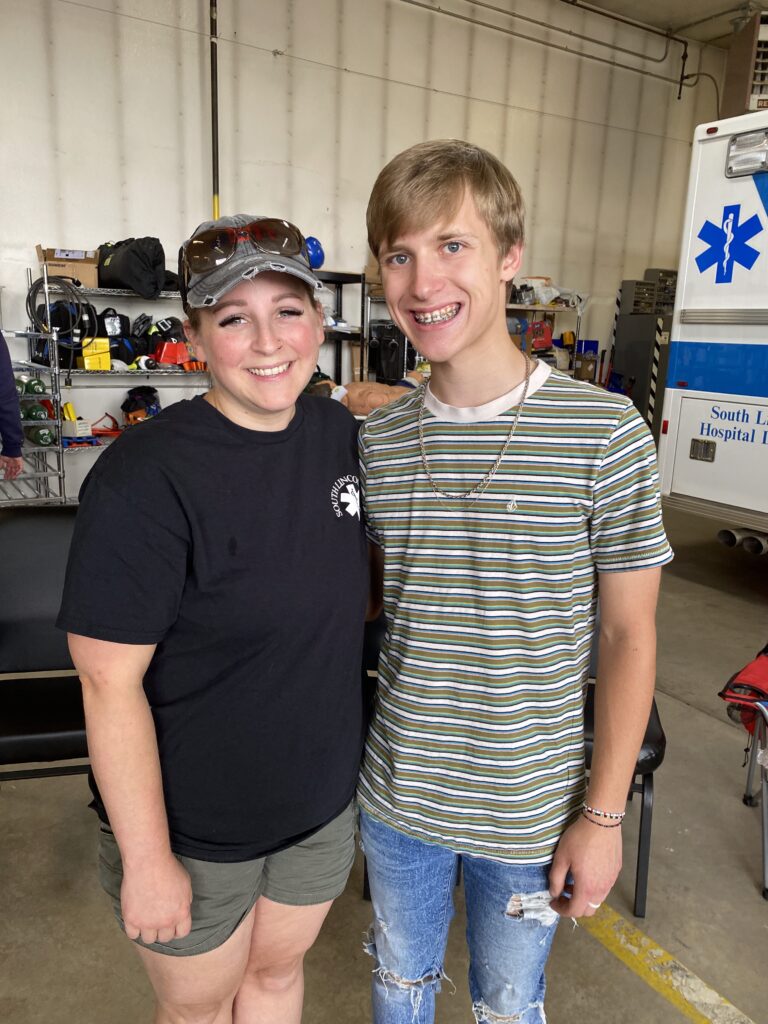
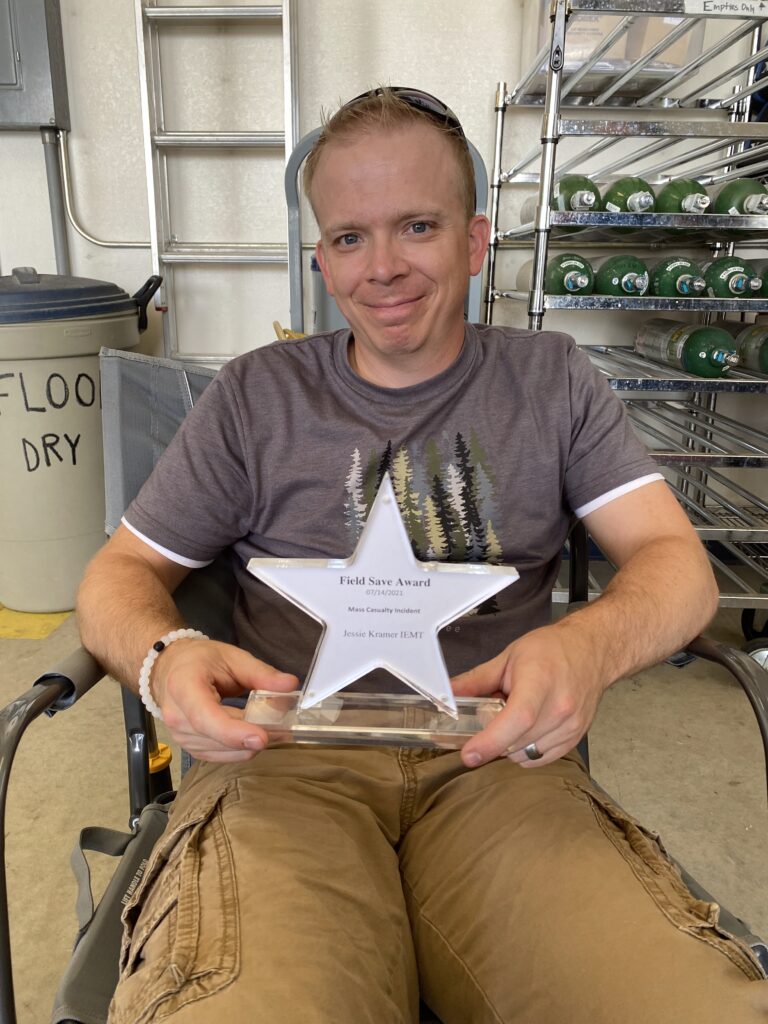
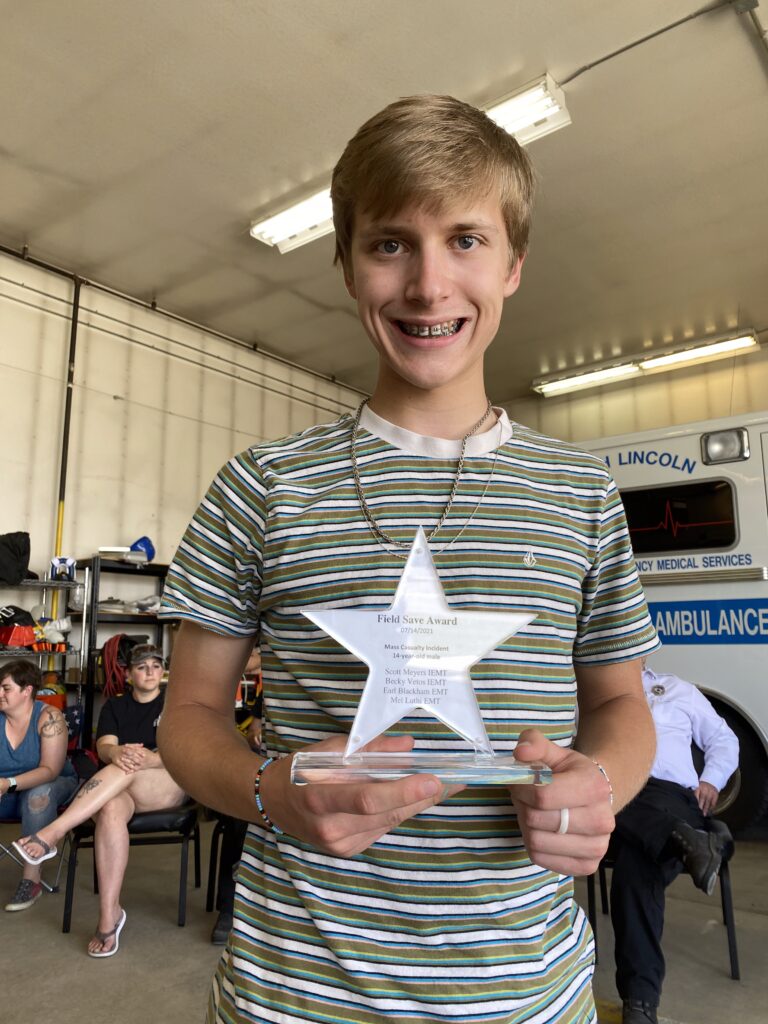
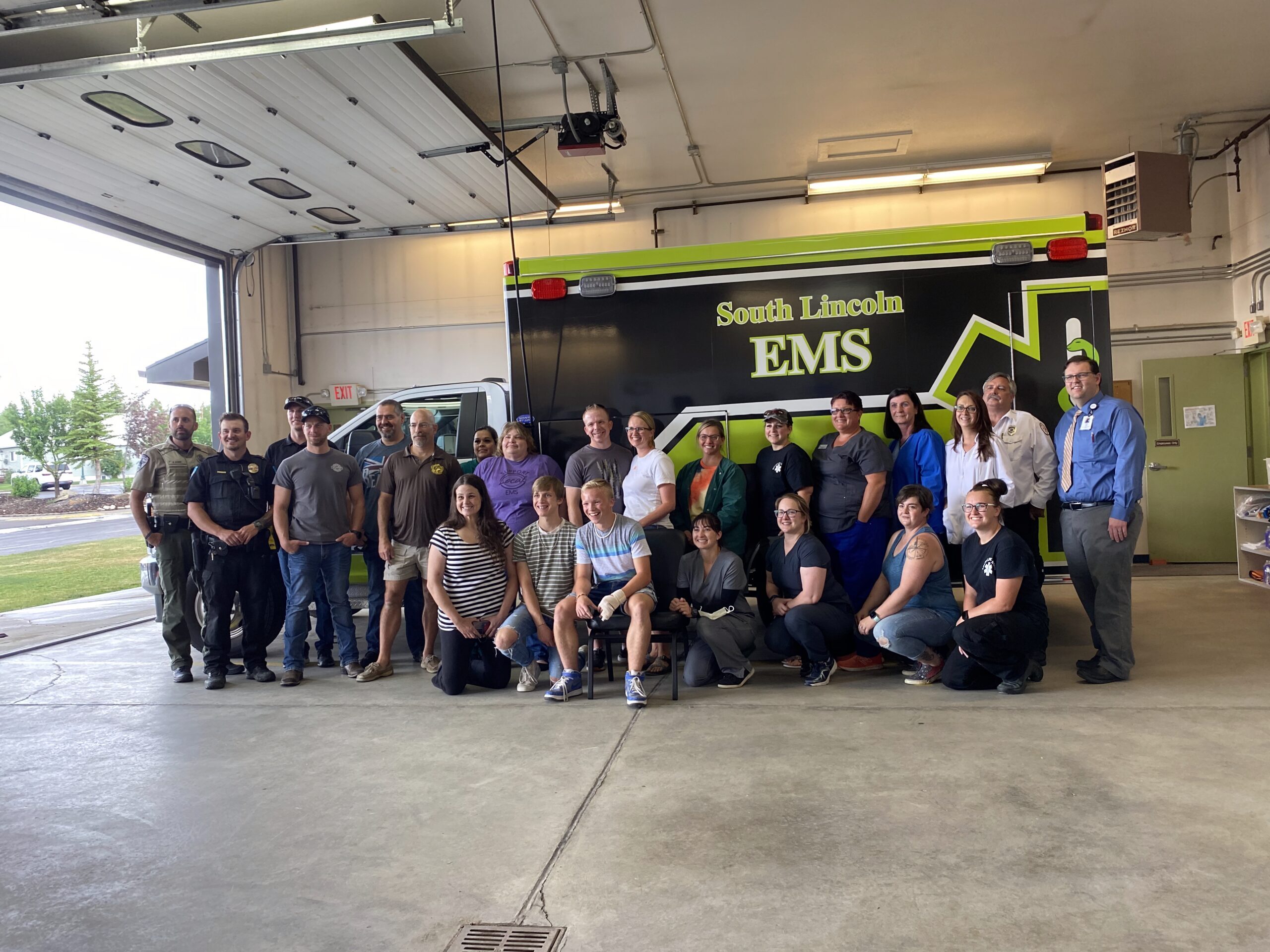
One year after the catastrophic car wreck, the Jackson family and friend returned to express their gratitude to the first responders and hospital staff who played a critical role in saving their lives. This moment marked not only a milestone in recovery, but an opportunity to personally thank those who showed up in their most difficult hours.

This story was featured in the Kemmerer Gazette, highlighting the impact of that day and the lasting appreciation for the individuals who made survival and healing possible.

A full-circle moment of gratitude for the people who were there when it mattered most.

Behind the Scenes: One Year Later

We will never forget the people who showed up that day – and continue to carry deep gratitude for the role they played in our story!

Caregiving
Resource ConversationsSupport and Caregiving

Caregiving After Trauma

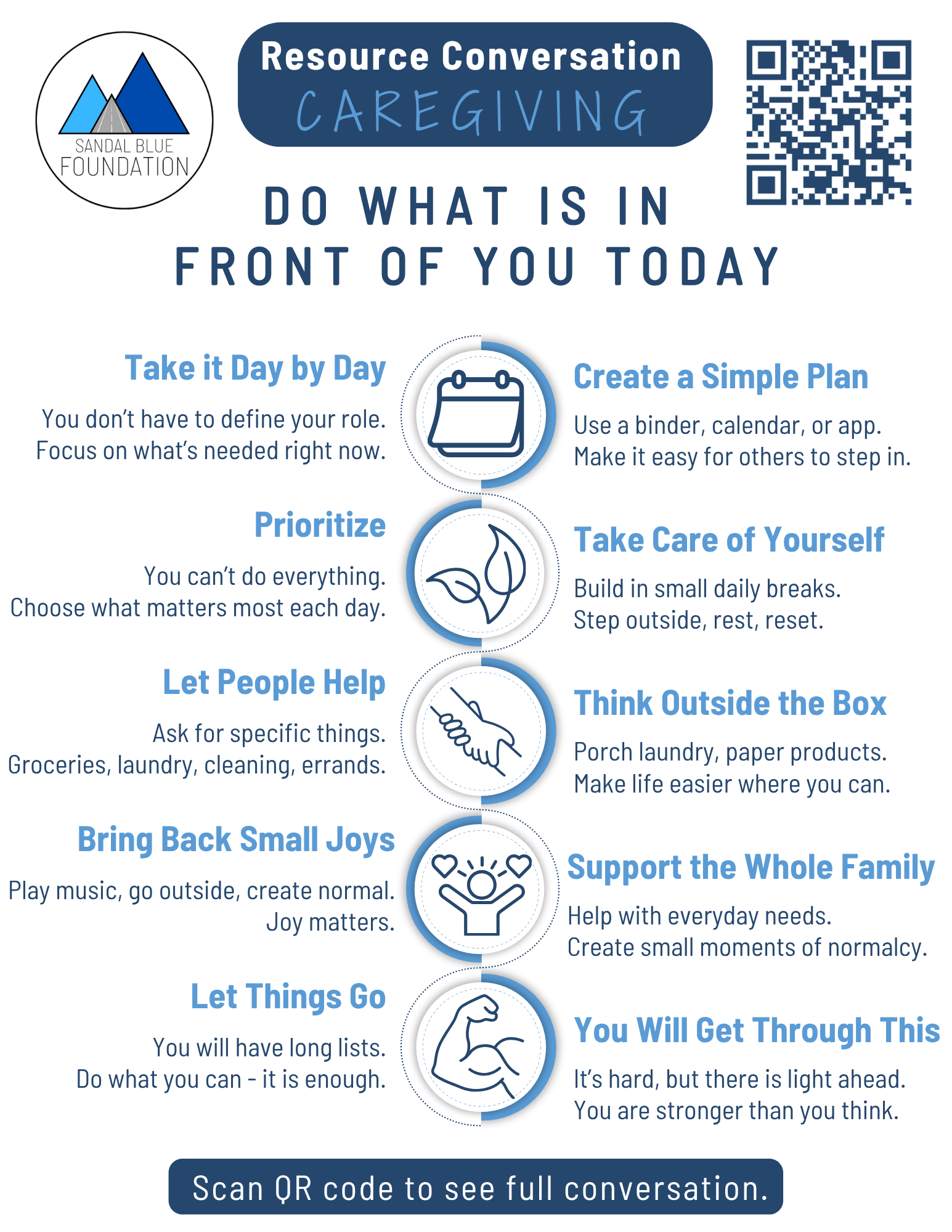
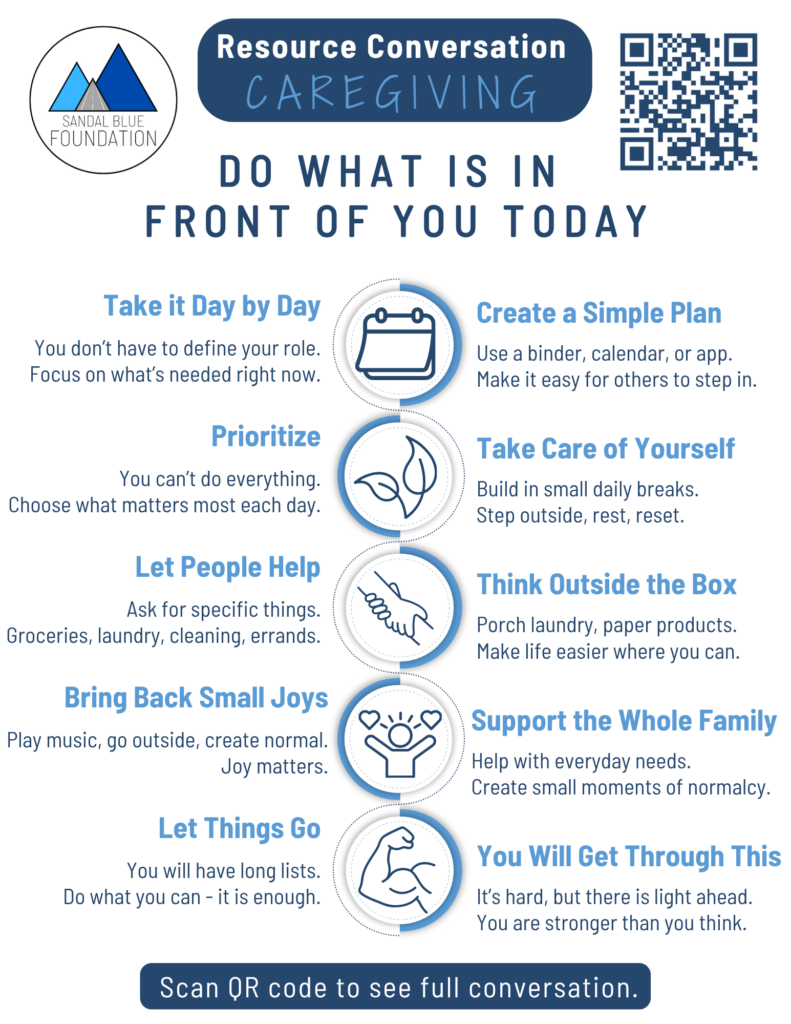
Caregiving After Trauma: Doing What’s in Front of You

Caregiving after a traumatic event is something no one can fully prepare for. One day your role looks one way, and the next it’s completely different. You may find yourself stepping into responsibilities that feel unfamiliar—medical, emotional, physical—all at once.

And the truth is, you may not be able to clearly define your role.

That’s okay.

Instead of trying to figure out the entire road ahead, focus on what’s right in front of you today. Caregiving often becomes a practice of going with the flow—responding to what’s needed in the moment, even when it’s outside your comfort zone.

Create a System That Supports You

When multiple people are involved in caregiving, communication and organization matter.

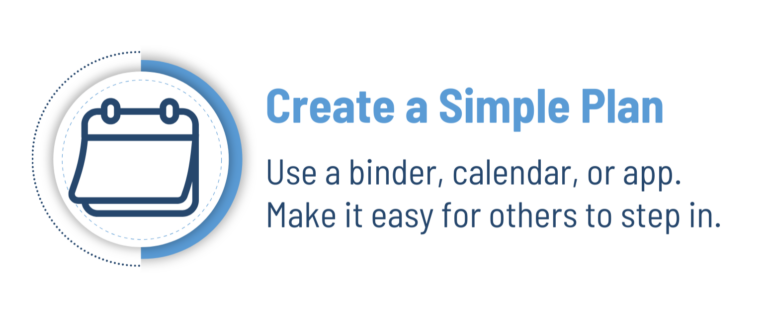
One simple, effective idea is to create a shared binder in the home:

  • Include calendars for each person being cared for
  • Write in daily schedules, appointments, and needs
  • Keep it in a central place so anyone helping can easily step in

Your system doesn’t have to be perfect—it just has to work for you.

For some, that might look like a paper calendar. For others, it’s a shared digital calendar or app. The goal is to create something that allows continuity of care, especially if you need to step away or others are helping carry the load.

Prioritize (and Let Some Things Go)

Your to-do list will likely feel endless.

But here’s the reality: it is too many things.

Each day, choose what matters most. Focus on what truly needs to be done, and give yourself permission to let other things wait. Prioritizing isn’t about doing everything—it’s about doing what matters most right now.

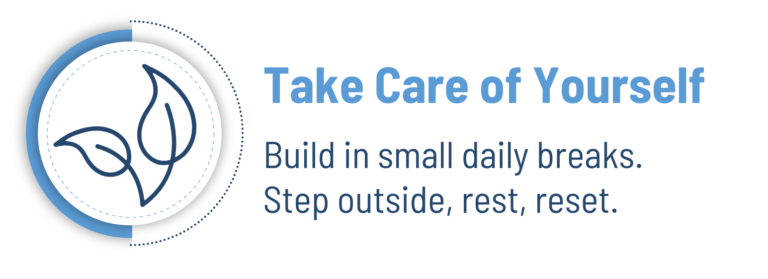
Take Care of the Caregiver

You cannot pour from an empty cup.

Even in the middle of everything, it’s essential to build in time for yourself each day—even if it’s small.

That might look like:

  • Taking a bath
  • Reading a few pages of a book
  • Going for a short walk
  • Stepping outside for fresh air

If leaving isn’t possible, simply changing rooms or finding a quiet moment can help reset your nervous system.

Caring for yourself isn’t a luxury—it’s what allows you to continue showing up.

Invite Help (and Think Outside the Box)

You are not meant to do this alone.

When people ask how they can help, it’s okay to give them real, tangible ways to step in. Sometimes that requires thinking creatively:

  • Have someone pick up and deliver groceries
  • Ask for help with school shopping for kids
  • Set laundry on the porch for someone to wash and return
  • Arrange for a cleaner to come help once survivors are home

Even small things—like providing paper products to reduce dishes—can make a meaningful difference.

Letting people help doesn’t make you less capable. It makes the load more sustainable.

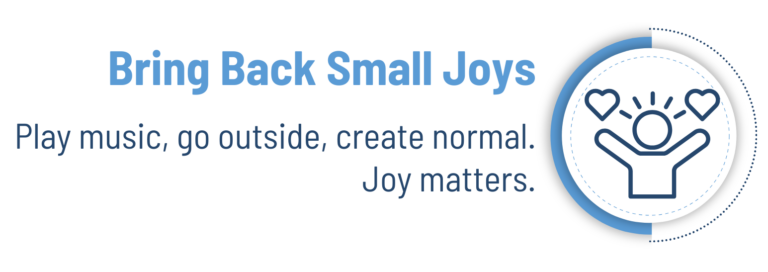
Bring Moments of Joy Back In

In the middle of survival, it’s easy to lose sight of what feels normal or joyful.

Look for simple ways to bring that back:

  • Play music in the house
  • Dance in the kitchen
  • Do the things that once made your family smile

These moments won’t fix everything—but they can bring light into heavy days.

Even something like getting a haircut or doing a small “normal” activity can help restore a sense of self and emotional well-being.

Support the Whole Family

Caregiving isn’t just about the survivor—it’s about the entire family system.

Think about ways to ease the load for everyone:

  • Help children feel prepared with clothes or school supplies
  • Take care of tasks that often go unnoticed but add stress
  • Create small pockets of normalcy where you can

Every bit of support matters.

Managing the Long Road Ahead

Caregiving after trauma isn’t a short-term role for many—it’s a journey.

Managing stress is essential for the long haul:

  • Step outside when you can
  • Breathe deeply
  • Change your environment, even briefly

And remind yourself often: you don’t have to do everything.

A Final Reminder

This is hard.

There’s no way around that.

But there is also hope.

There is light at the end of the tunnel—even if you can’t see it yet.

People are more resilient than they realize. That includes the person you’re caring for, your family, and you.

Take it one day at a time.
Do what you can.
Let that be enough.

And most importantly—let people help.

Watch the full conversation as Tina shares simple, real life ways to navigate caregiving after trauma, including staying organized, asking for help, and taking care of yourself along the way.

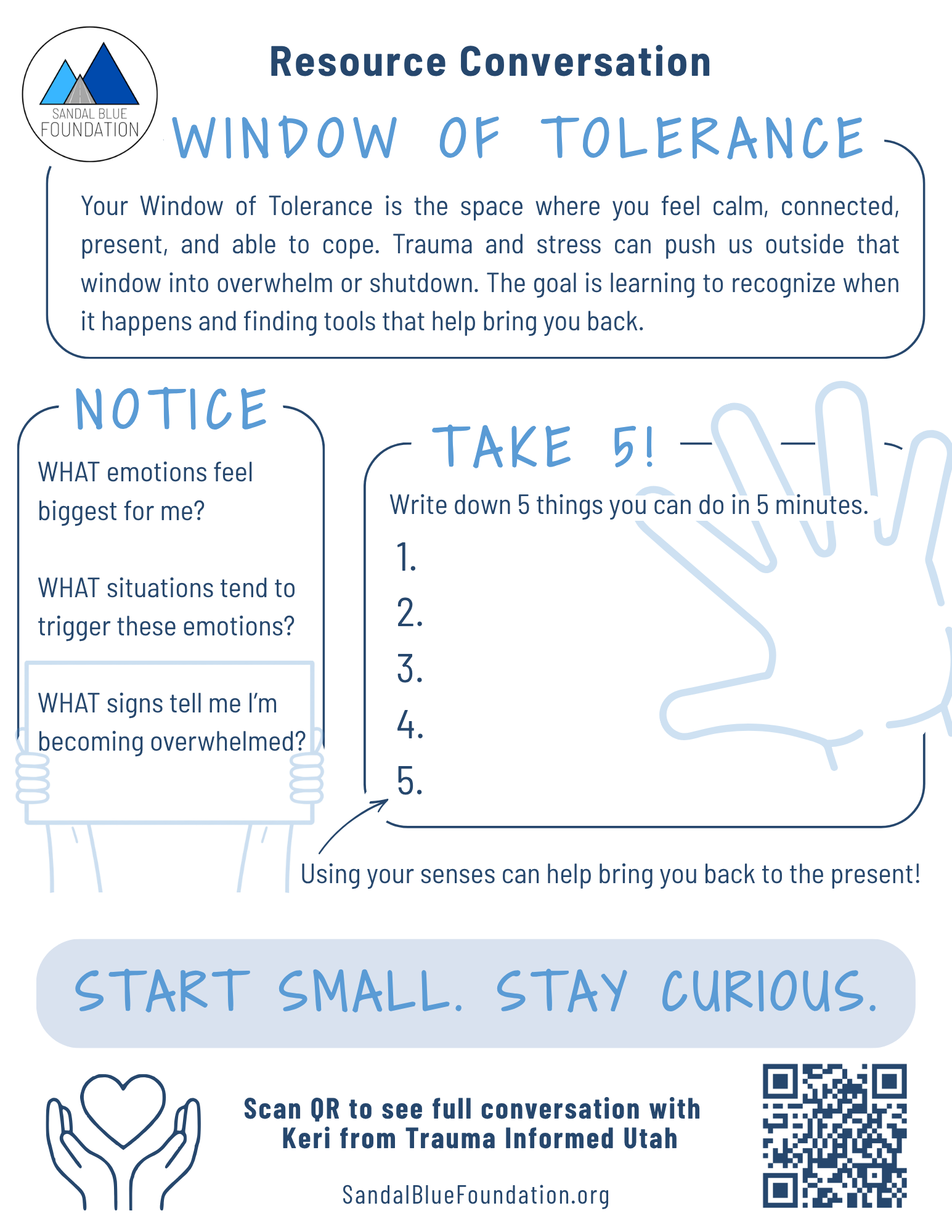
Supporting Your Nervous System After Trauma
Post-Trauma LifeResource Conversations

Supporting Your Nervous System After Trauma – Resource Conversation

Supporting Your Nervous System After Trauma

A Resource Conversation with Sarah Stasica from Medical Trauma Support

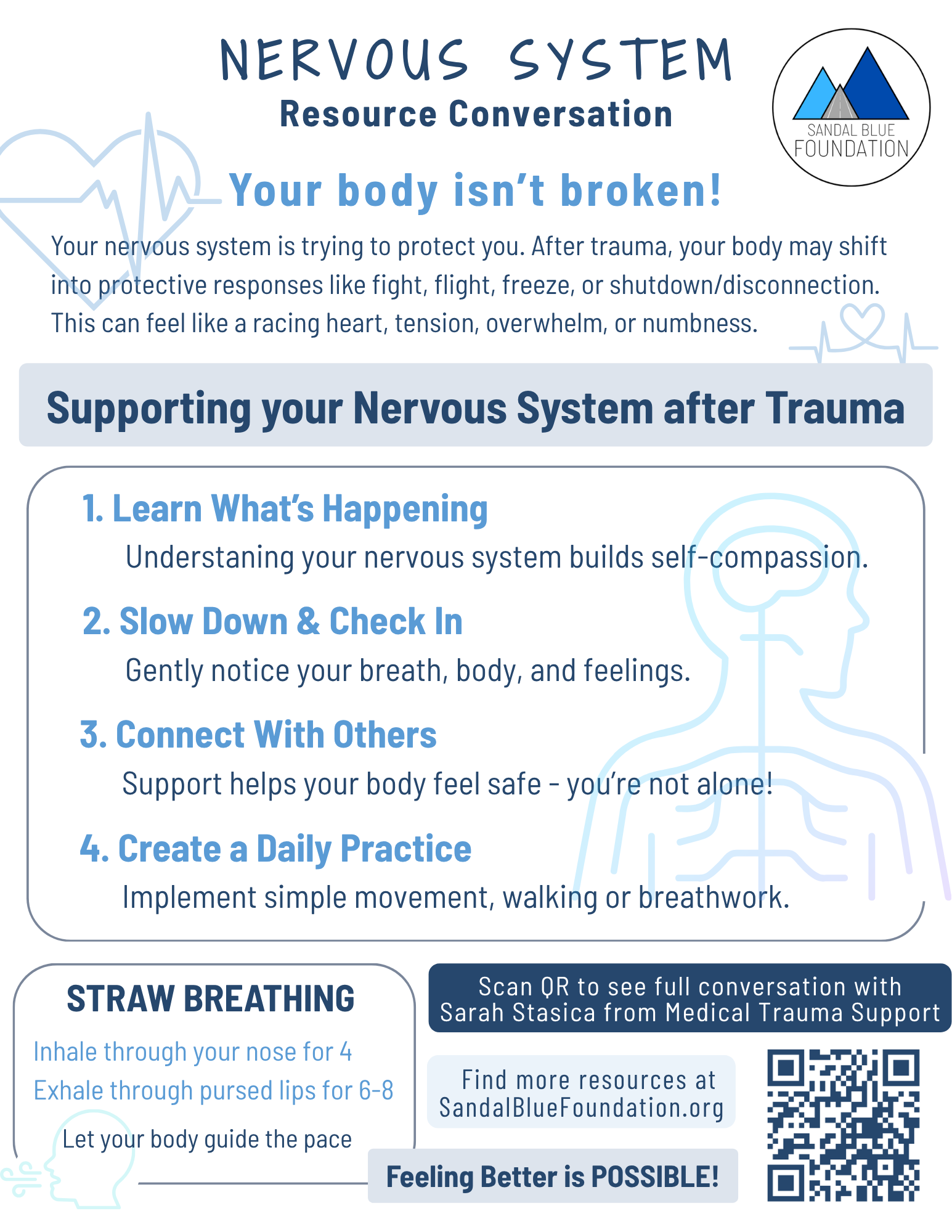
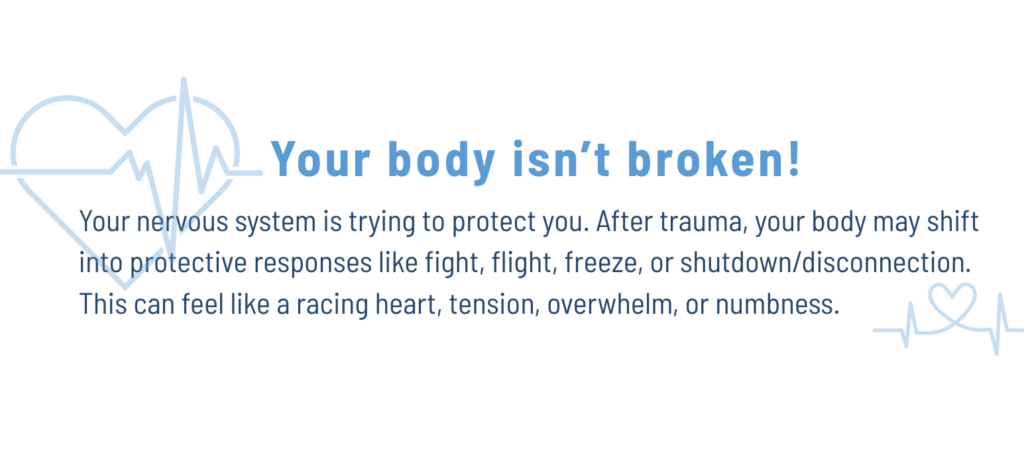
After trauma, it’s common to feel like your body is working against you.

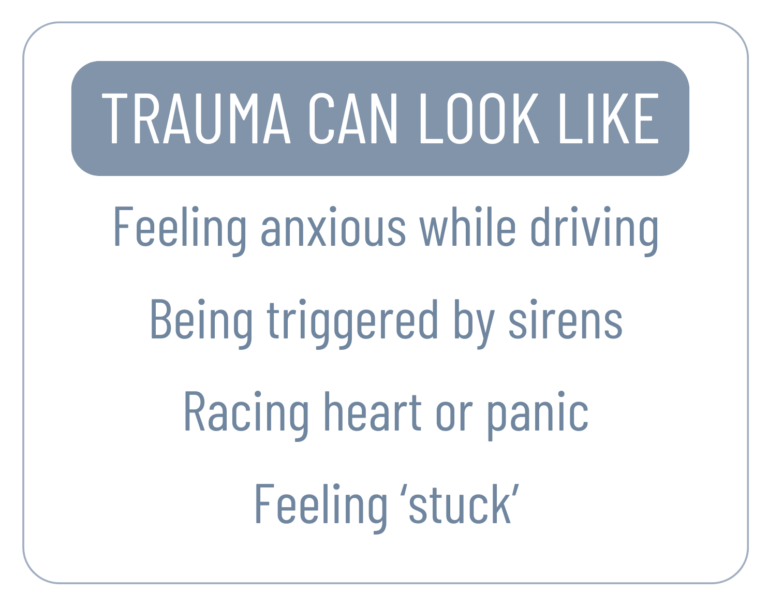
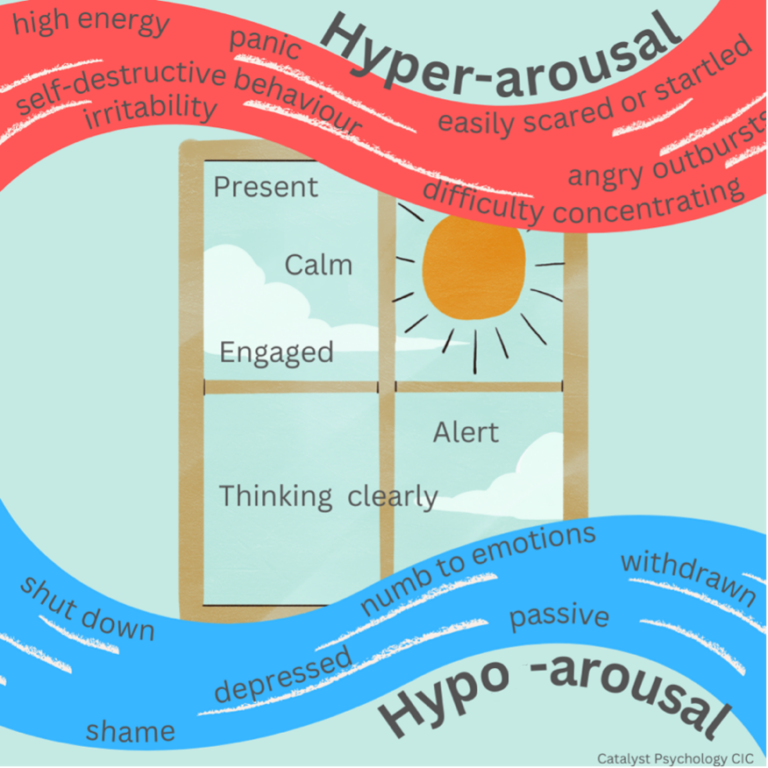
A racing heart. Tight muscles. A sense of panic—or, on the other end, feeling shut down, disconnected, or numb.

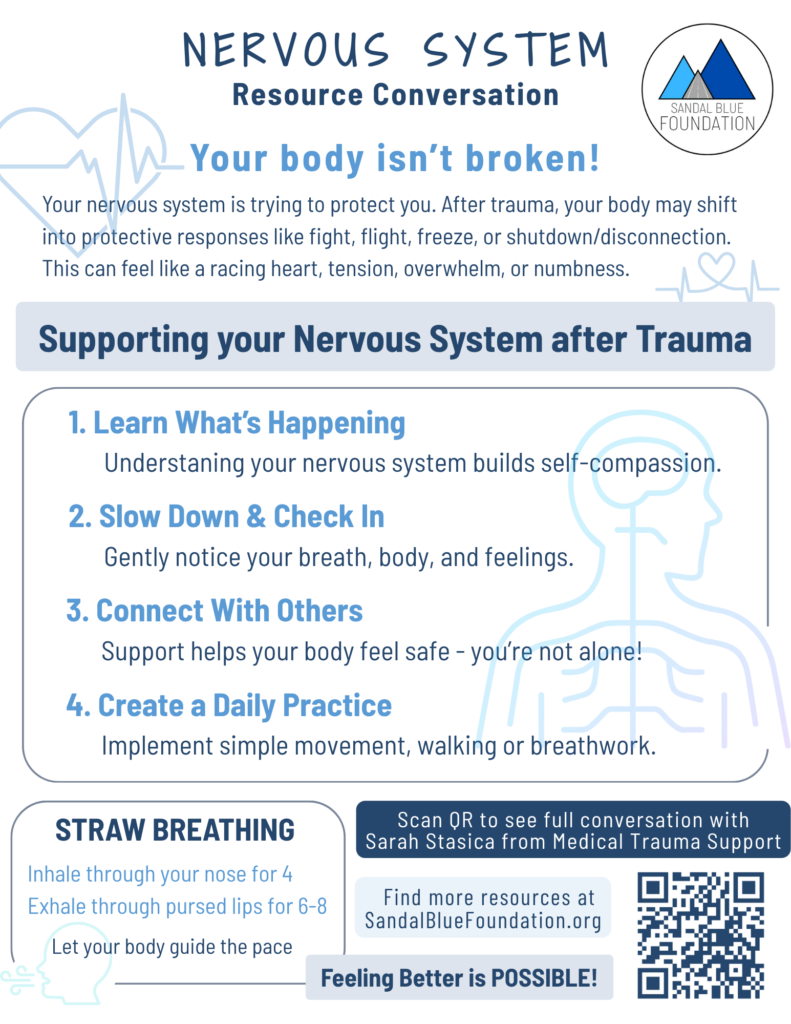
These responses can feel confusing, especially when there isn’t immediate danger. But what if your body isn’t broken… just trying to protect you?

In this resource conversation, we explored how the nervous system works, why these responses happen, and most importantly—what you can gently do over time to support your healing.

Understanding the Nervous System (in a simple way)

The part of the nervous system we focused on is the autonomic nervous system—the system that runs automatically, without you needing to think about it.

It has two main branches:

  • Sympathetic (the “gas”)
    This is your mobilization system—fight, flight, or action.
  • Parasympathetic (the “brake”)
    Often called “rest and digest,” this is where your body can slow down, recover, and heal.

A key player here is the vagus nerve, which makes up a large part of the parasympathetic system. When we stimulate the vagus nerve, we help the body move toward a state where healing is possible.
Your Body Is Always Scanning for Safety

Your nervous system has one main job: keep you safe.

It’s constantly scanning for signs of danger and safety—a process called neuroception.

This happens in a few ways:

  • Inside your body (interoception):
    Is your heart racing? Are your muscles tight? Are you hungry or exhausted?
  • Your environment:
    Does this place feel familiar? Uncertain? Safe?
  • The people around you:
    Do they feel safe, predictable, and supportive?

When your nervous system senses danger, it can automatically shift into protective responses like:

  • Fight
  • Flight
  • Freeze
  • Collapse
  • Fawn

These are not choices—they are automatic responses designed to protect you.

What Safety Actually Feels Like

Safety isn’t just something you know—it’s something your body feels.

This “felt sense of safety” is often sensory:

  • A familiar smell
  • A calm voice
  • A supportive presence
  • A space that feels predictable

After trauma, your system may become more sensitive to danger cues. But the hopeful truth is this:

We can also help the nervous system learn to recognize safety again.

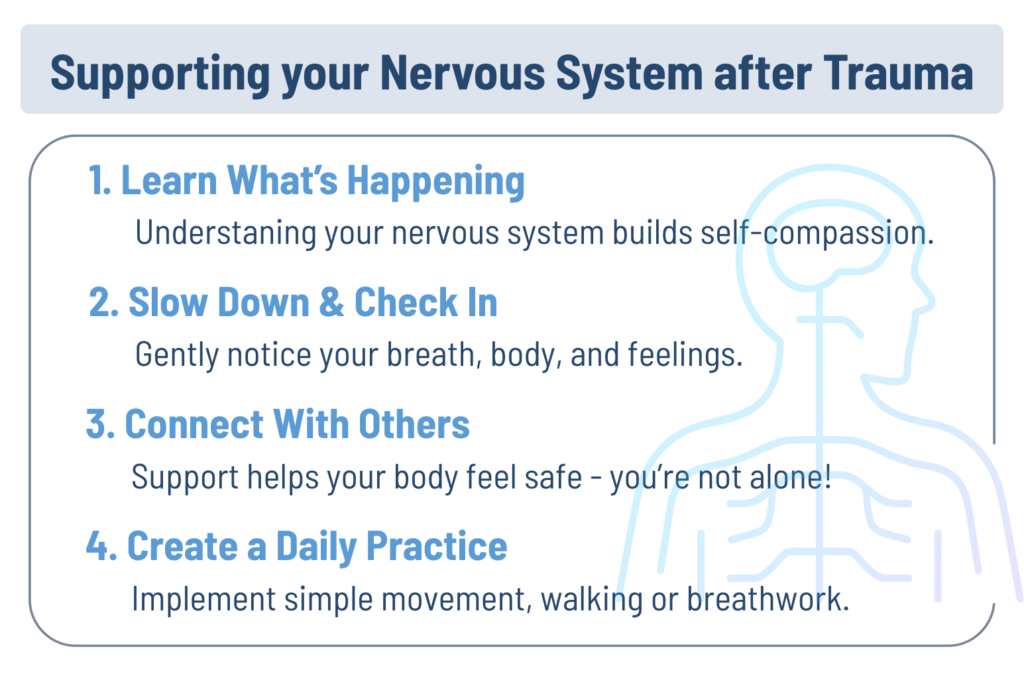
Four Small Daily Practices to Support Your Nervous System

There are many ways to support your nervous system, but we’re focusing on four simple, manageable practices you can build into everyday life.

1. Learn the Basics of Your Nervous System

Understanding what’s happening in your body can be incredibly empowering.

When you recognize that your responses are protective—not broken—you can begin to meet yourself with more compassion instead of frustration.

2. Slow Down and Check In With Yourself

Slowing down can feel challenging—especially after trauma.

In fact, many people need support (like a therapist or trusted person) when they first begin this process.

But gently checking in might look like:

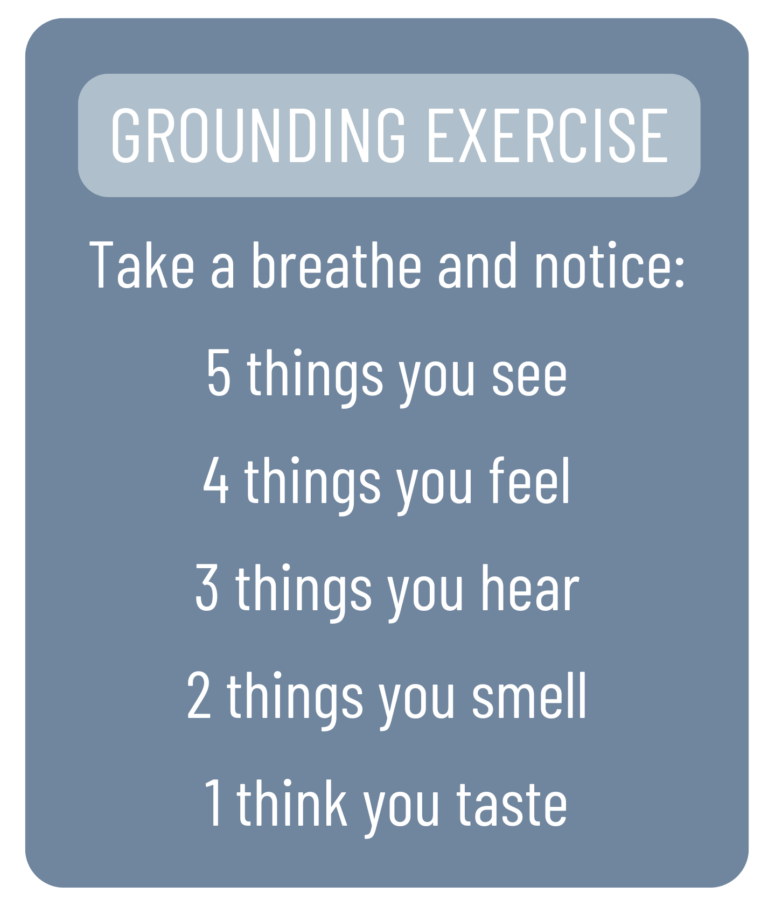
  • Noticing your breath
  • Asking, “What am I feeling right now?”
  • Observing sensations without trying to change them

This is similar to mindfulness—being present with yourself, even in small moments.

3. Seek Support and Connection

Healing is not meant to happen in isolation.

Connection with others creates co-regulation, where your nervous system can begin to feel safe through being with safe people.

Support might look like:

  • A therapist
  • A support group
  • A trusted friend or community

This can help reduce isolation and shame—and remind you that:
there is nothing “wrong” with you, and you are not alone in what you’re feeling.

4. Create a Simple Daily Practice

Consistency matters more than complexity.

A daily practice helps your nervous system regulate over time.

This could include:

  • Walking (even a short daily walk)
  • Gentle movement like stretching, dancing, or shaking
  • Breathwork
  • Time outside

Movement, in particular, helps release excess energy your body has mobilized during stress.

Simple Practices You Can Try

Here are a few gentle ways to begin supporting your system:

Orienting

Slowly look around your environment.
Let your eyes move to the horizon, then gently scan side to side, noticing where you are.

This helps your nervous system recognize: I am here. I am safe right now.

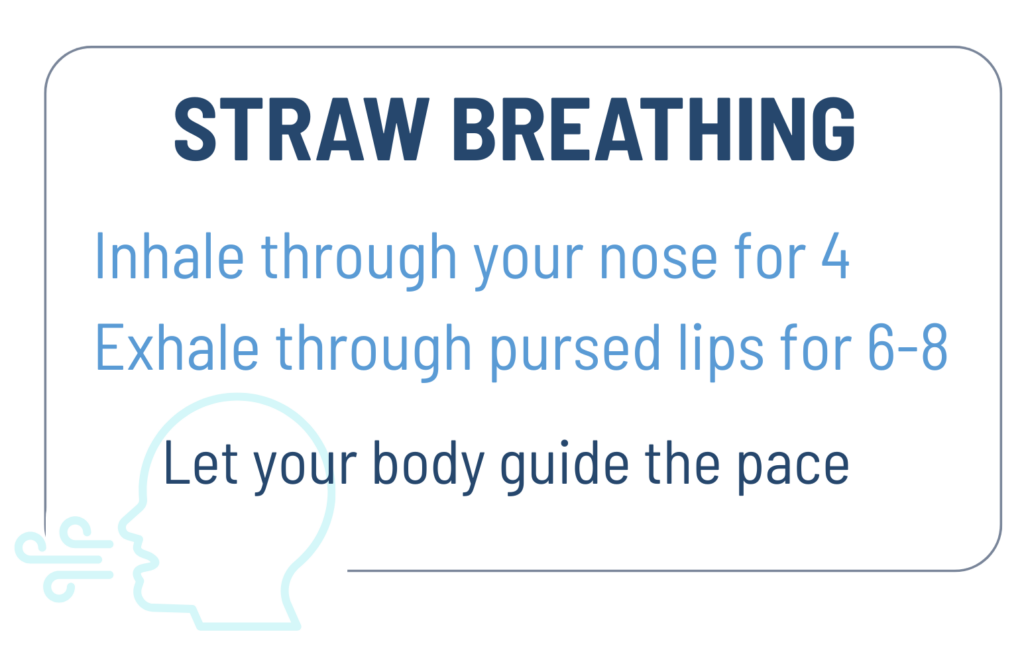
Straw Breathing + Sternum Tapping

  • Breathe in through your nose for a count of 4
  • Breathe out slowly through pursed lips (like a straw) for 6–8
  • Lightly tap your sternum as you breathe

Let your body guide the pace—there is no “perfect” way.

Movement

Shaking, dancing, walking—any form of movement can help regulate your system by releasing stored energy.

Why “Just Calm Down” Doesn’t Work

One of the most important takeaways:

We aren’t built to simply “calm down” on command.

The autonomic nervous system operates automatically—it doesn’t rely on logic or the thinking part of the brain.

That’s why healing isn’t about forcing calm—it’s about building safety.

What Actually Helps the Nervous System Heal

Over time, healing tends to include:

  1. Rebuilding a sense of safety
  2. Receiving support (co-regulation)
  3. Learning how your nervous system works
  4. Practicing simple, consistent regulation tools

This Is a Process—And Progress Is Real

Nervous system healing doesn’t happen overnight.

Often, you won’t notice changes day to day—but when you look back, you may see how far you’ve come.

There are ways to support your body.
There are ways to feel more grounded.

Feeling better is possible.

Watch the full conversation here and explore more resources on post-trauma life at Sandal Blue Foundation.

Understanding Breathwork
Post-Trauma LifeResource Conversations

Understanding Breathwork – Resource Conversation

How Conscious Breathing Supports Nervous System Regulation and Emotional Release

In a world where stress can easily become stored in the body, many people are turning to breathwork as a simple yet powerful way to regulate the nervous system, release emotional tension, and reconnect with a sense of safety.

One expert who speaks to this work is Tricia Sexton of Rooted Journey, who helps people understand how intentional breathing can support healing—especially for those navigating trauma or chronic stress.

What Is Breathwork?

Breathwork refers to a variety of intentional breathing practices designed to influence physical, emotional, and mental states.

In yogic tradition, breathwork is known as pranayama, which focuses on controlled, often gentle breath regulation to support balance in the body and mind.

More modern approaches include styles like:

  • Holotropic breathwork, which involves deeper, more rhythmic breathing patterns that can bring up emotional release and altered states of awareness
  • Wim Hof Method, which helped bring awareness to more intense breath techniques used for energy, resilience, and cold exposure training

Across all styles, the foundation remains the same: using breath intentionally to shift how the body and nervous system are functioning.

What is Breathwork

How Breathwork Supports the Nervous System

For individuals experiencing trauma or prolonged stress, the body can remain stuck in a heightened survival state known as fight or flight.

Breathwork helps bring the body back into rest and digest, a state where:

  • The body feels safer and more grounded
  • Digestion and internal regulation function properly
  • The mind becomes calmer and more present
  • Emotional processing becomes more accessible

In simple terms, breathwork helps remind the body that it is safe.

When that shift happens, stored stress and emotional energy can begin to move rather than stay trapped in the system.

Why Breath Becomes a Healing Tool

Stress is not just mental—it is physiological. When overwhelming experiences are not fully processed, they can remain in the body as tension, anxiety, or emotional reactivity.

Breathwork works because it directly interacts with the autonomic nervous system, helping to:

  • Slow down racing thoughts
  • Release physical tension
  • Increase emotional awareness
  • Create space for healing and regulation

It is not about forcing change, but about gently guiding the body back into balance.

Breathwork Techniques

Simple Breathwork Techniques to Try

One of the most important principles in breathwork is simplicity. You do not need complex methods to begin experiencing benefits. The key is consistency and awareness.

Here are a few accessible techniques:

1. Box Breathing (4-4-4-4)

A grounding technique often used to calm anxiety and stabilize the nervous system.

  • Inhale for 4 seconds
  • Hold for 4 seconds
  • Exhale for 4 seconds
  • Hold for 4 seconds
    Repeat for several rounds.

2. Elongated Exhale Breathing

A simple way to shift the body into a calmer state.

  • Inhale for 4 seconds
  • Exhale for 6 seconds
    Focus on allowing the exhale to be slower and longer than the inhale.
    Let the breath drop into the belly (diaphragmatic breathing).

3. Grounding Breath Awareness

This practice combines breath with present-moment awareness.

  • Bring attention to your breath in the background
  • Notice sensations in your body
  • Observe what you feel without judgment
  • Stay anchored in the present moment

This helps build nervous system awareness and emotional presence.

4. Circular Breath

A more active practice often used for emotional release.

  • Inhale through the nose
  • Exhale through the mouth
  • Keep the breath continuous and flowing
  • Let the exhale feel like a soft release

This can be practiced for up to 10 minutes and may help move “stuck” emotional energy through the body.

Keep It Simple and Listen to Your Body

Breathwork is not about doing it perfectly—it is about noticing what your body needs.

Different techniques create different effects, so it is important to:

  • Start slowly
  • Choose one technique that feels supportive
  • Pay attention to how your body responds
  • Adjust as needed

What works for one person may not work for another, and that is okay.

The goal is not intensity—it is regulation, awareness, and connection.

Final Thought

Breath is something we always have access to, yet it is often overlooked as a tool for healing.

Practices like those shared through Rooted Journey remind us that something as simple as conscious breathing can help bring the body back into balance, release stored stress, and support emotional healing from the inside out.

Go Deeper: The Full Resource Conversation

If this resonated with you, we’d invite you to listen to the full resource conversation below.

Tricia shares more about how breathwork supports the nervous system, emotional release, and how to begin in a way that feels simple and doable.

Take it in however you need – audio on, or captions along the way.