You Are Not Stuck Forever: Finding Support After a Motor Vehicle Incident
After a motor vehicle incident, it can feel like the rest of the world is moving forward while you are standing still.
There are appointments to manage. Symptoms to understand. Insurance questions. Medical decisions. Financial concerns. Legal questions. And on top of all of that, you are trying to figure out who you are now and what recovery is going to look like.
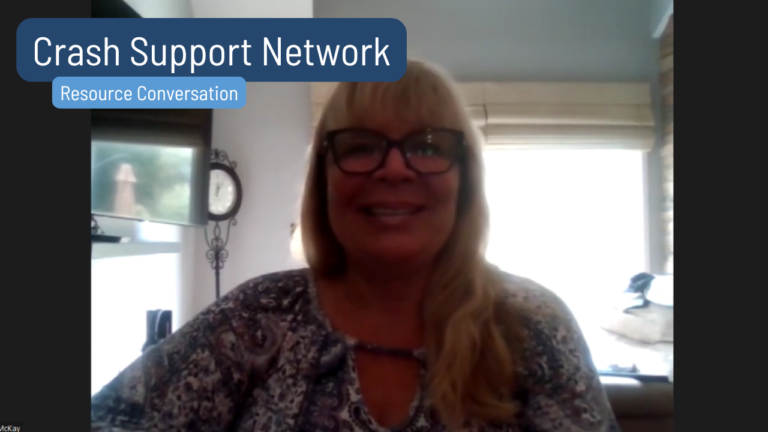
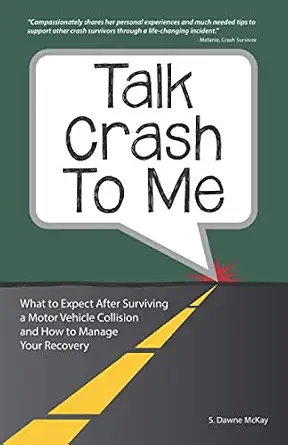
For Dawne McKay, founder of the Crash Support Network and author of Talk Crash to Me: What to Expect After Surviving a Motor Vehicle Collision and How to Manage Your Recovery, that feeling lasted for years.
Dawne was rear-ended at a high rate of speed by a distracted driver. Her recovery became a long and complicated road, and 14 years later, she understands firsthand how overwhelming the process can be.
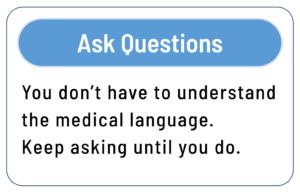
One of the things she wanted most during those early years was simple: someone who understood.
She searched for other people who had been through something similar and was surprised by how little she could find.
So she created what she needed.
Dawne started a private Facebook group for crash survivors. Within 10 minutes, a man reached out to her. Having someone who could relate to what she was experiencing made a difference.
That small group eventually grew into the Crash Support Network, a resource dedicated to helping crash survivors feel less alone and providing information throughout the many stages of recovery.
You Are Not Going to Be Stuck Forever
One of the most important messages Dawne wants survivors to hear is this:
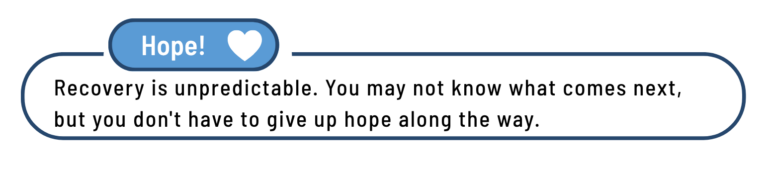
You won’t be stuck forever.
That doesn’t mean recovery is quick or predictable.
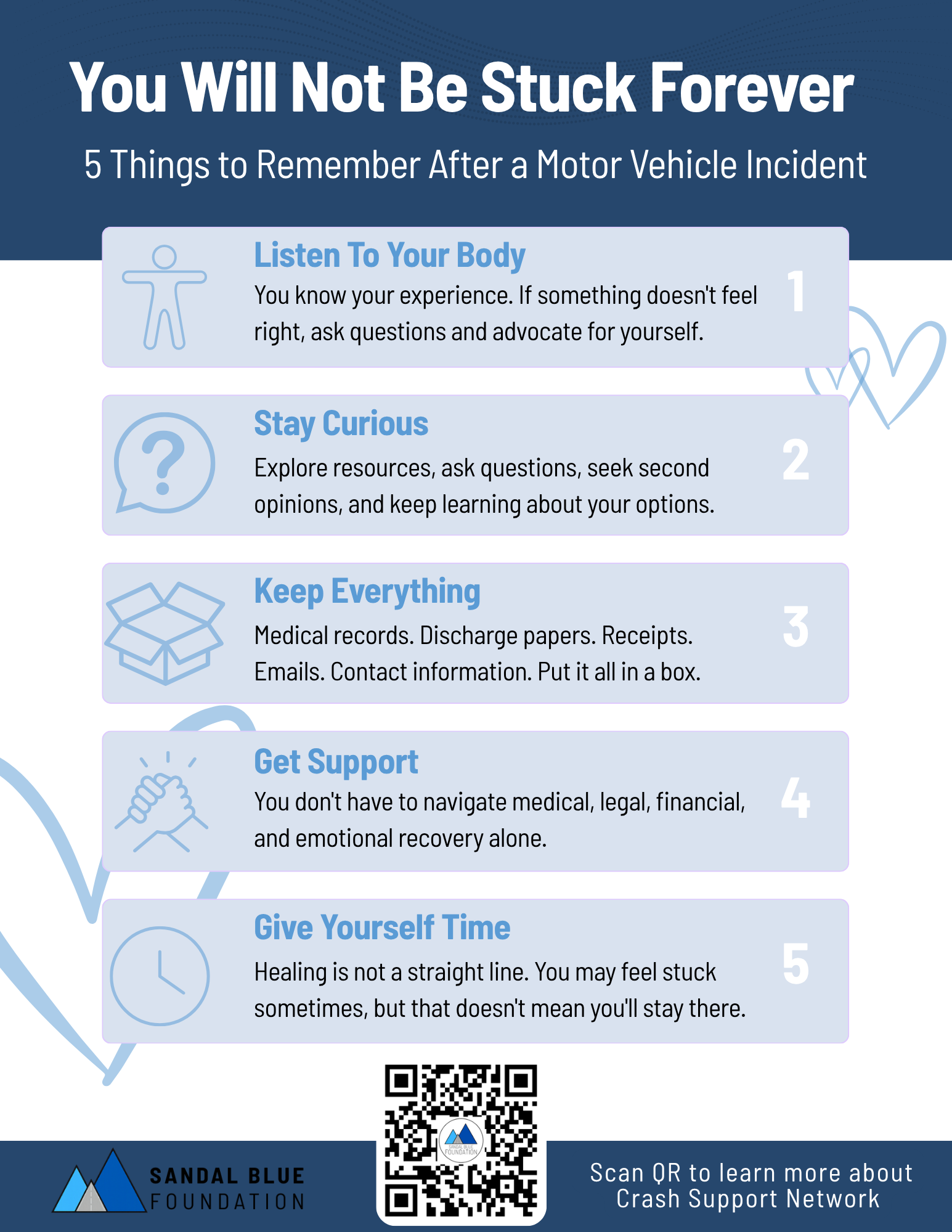
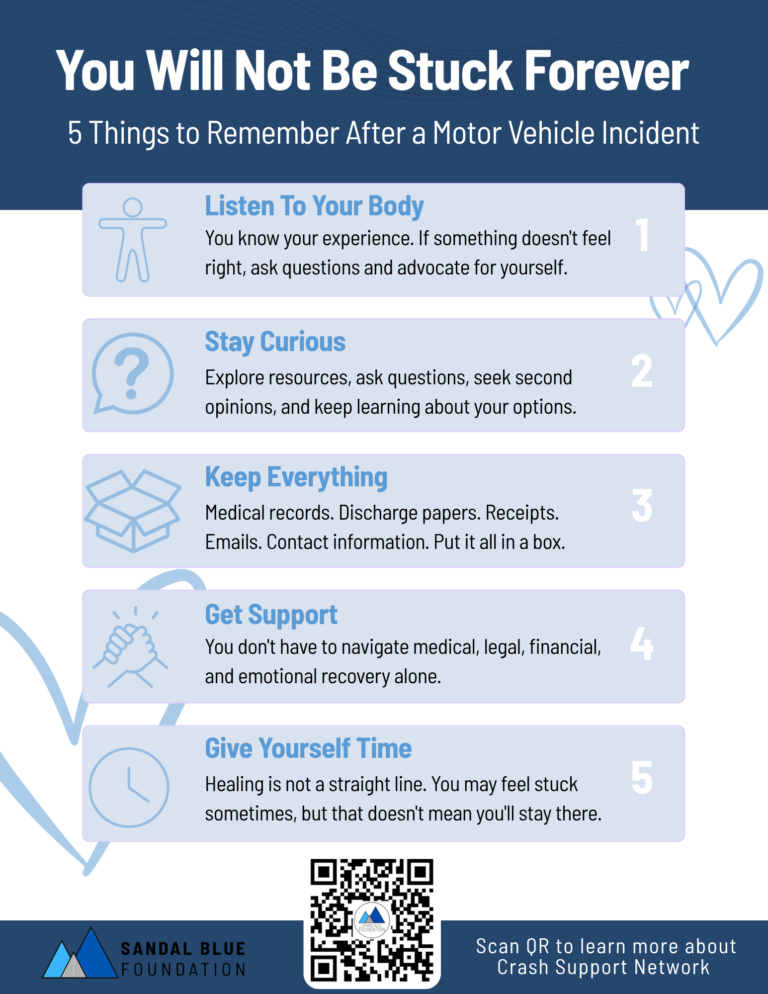
Healing is not a straight line.
There may be times when it feels like you are making progress and other times when you feel like you have taken several steps backward. There can be so many moving pieces that it is difficult to see what the path forward even looks like.
Dawne describes recovery as requiring strength, motivation, patience, and support.
And sometimes, people around you may not realize how much you are carrying.
You may look like you are doing okay from the outside while managing pain, appointments, symptoms, financial stress, emotional challenges, or other things that no one else can see.
That doesn’t mean you aren’t working hard.
Recovery takes a tremendous amount of strength.
Over time, with the right people and teams supporting you, the path can become clearer.
Listen to Your Body and Become Your Own Advocate
So where do you start?
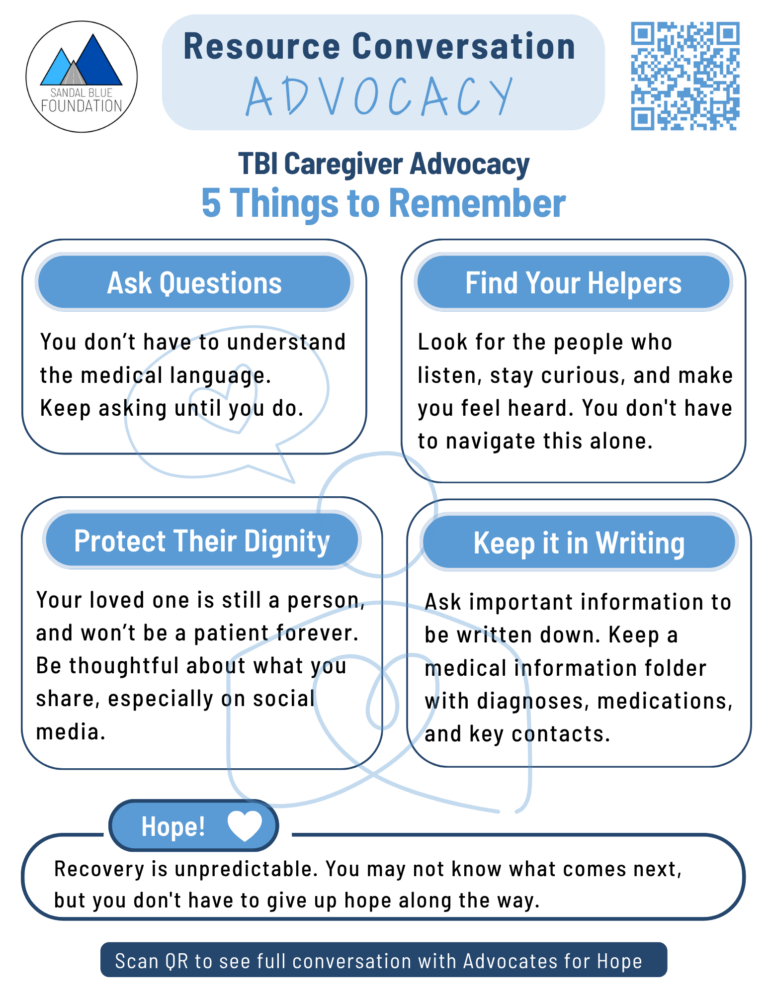
Dawne encourages survivors to listen to their bodies and become their own advocates.
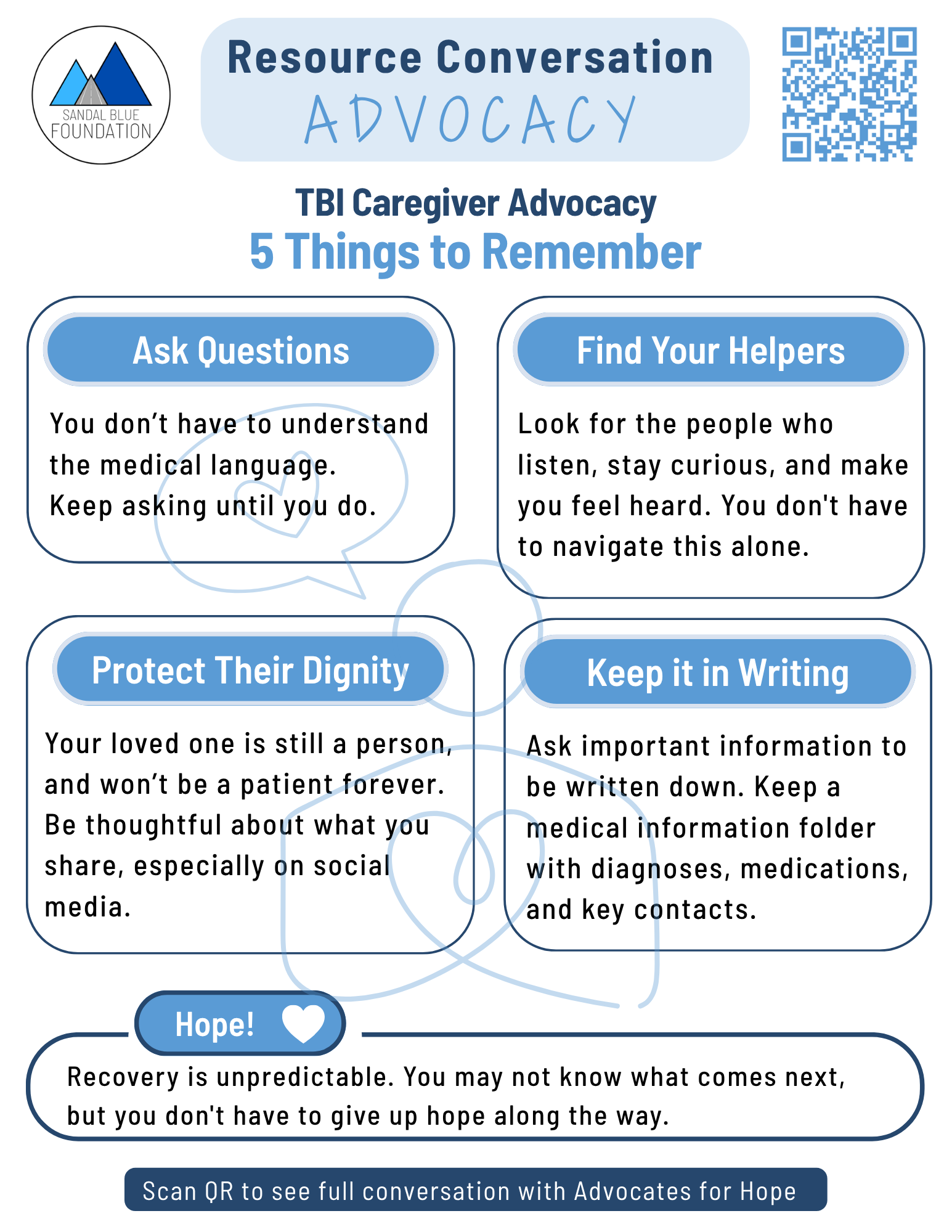
If something doesn’t feel right, ask questions.
If you don’t feel heard, keep looking for answers.
If you aren’t comfortable with an explanation or recommendation, you can seek another opinion from a medical professional.
It can be discouraging when someone tells you that nothing is wrong because you “look fine.” But looking okay does not tell someone everything about what you are experiencing.
Dawne encourages survivors to stay curious.
Don’t be afraid to ask questions, explore resources, learn about your options, and continue to voice what you need.
You know your body and your experience. Being an advocate for yourself is an important part of recovery.

Keep Everything
One of Dawne’s most practical recommendations is also one of the simplest:
Keep everything.
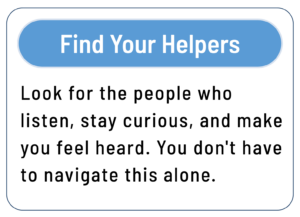
Discharge papers. Medical records. Prescription receipts. Emails. Business cards. Contact information for doctors, social workers, and other professionals. Anything related to your motor vehicle incident.
Her recommendation?
Put it all in a box.
It doesn’t have to be perfectly organized. Just have one place where you can keep the documents and information you may need later.
Dawne also recommends keeping an electronic folder for emails and other digital records.
And if you have legal representation, don’t assume that means you don’t need your own copies.
Having your own records can help you stay informed and advocate for yourself throughout the process.
Consider Getting Legal Advice
Dawne also encourages survivors to consider talking with a personal injury attorney.
Many personal injury attorneys offer free consultations, so having an initial conversation doesn’t necessarily mean you are committing to hiring someone.
And if making that call feels overwhelming, ask a trusted family member to help.
The sooner you explore your options, the better, because legal matters can involve deadlines.
A conversation with an attorney can also help you understand what options and resources may be available to you so you can make an informed decision about what comes next.
Dawne also encourages survivors to ask other survivors about their experiences with legal representation.
Legal and insurance processes can take time. Sometimes a very long time. Just like medical recovery, they can require patience.
Having someone help navigate those pieces can allow you to focus more of your energy on your own recovery.
And remember: you can advocate for yourself not only when it comes to your health, but also when it comes to your finances.
A Resource Created Because Dawne Needed It Herself
Dawne eventually took the information she had gathered through years of blogging and supporting survivors and turned it into a book.
Talk Crash to Me: What to Expect After Surviving a Motor Vehicle Collision and How to Manage Your Recovery was created to be the guide she wished someone had handed her after her own crash.
It brings together practical information and resources in an easy-to-read format, with the hope that survivors will feel less alone while navigating recovery.
Dawne also offers complimentary copies of the book to some survivors. You can reach her at info@crashsupportnetwork.com to ask about receiving a copy.
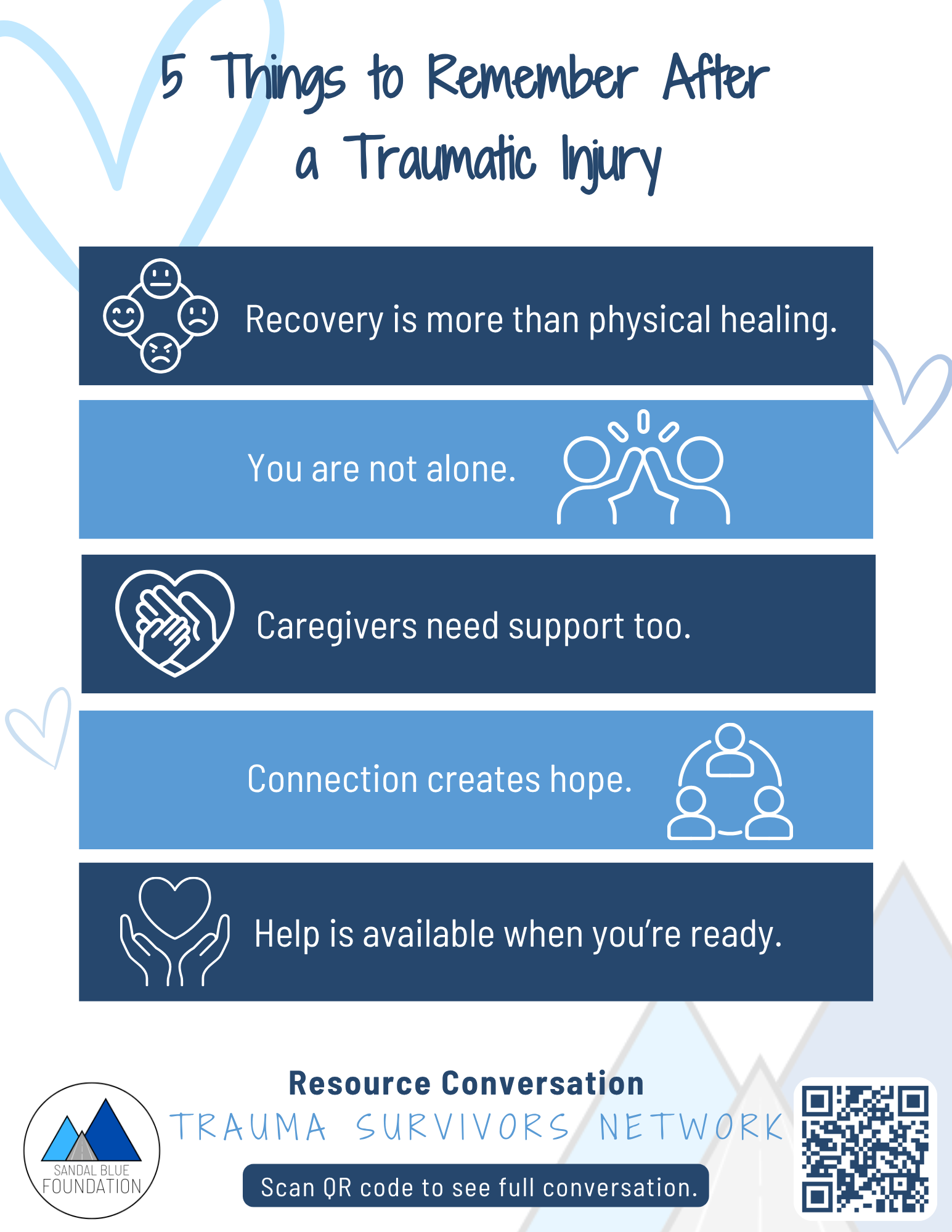
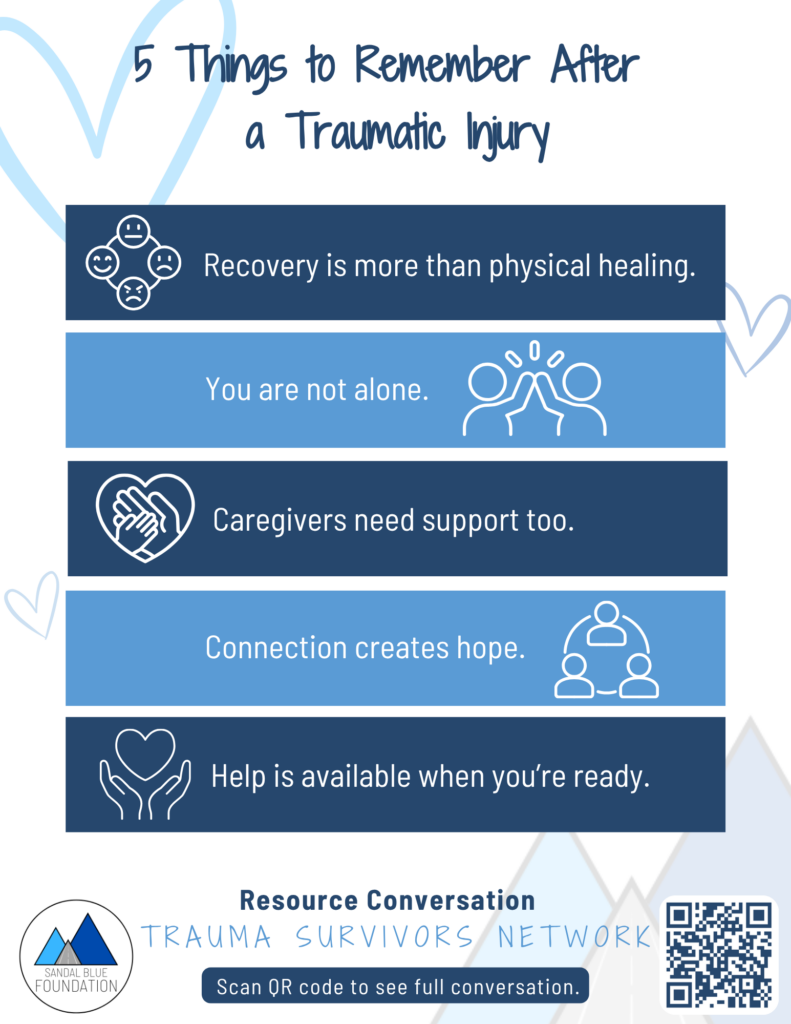
You are not alone.
And Dawne wants caregivers to hear that message, too.
While you’re supporting someone through recovery, you are carrying a lot yourself. You deserve support, information, and space to care for yourself, too.
Connect with Crash Support Network
The Crash Support Network provides survivor-focused resources, peer support, educational information, a confidential helpline, survivor stories, and a monthly Crash Connections group.
Visit www.crashsupportnetwork.com to explore the available resources and connect with the Crash Support Network or call the Crash Support Hotline at 905-674-1445 or toll-free at 1-866-473-0794.
Watch this Resource Conversation to learn more about Dawne and her work with Crash Support Network.