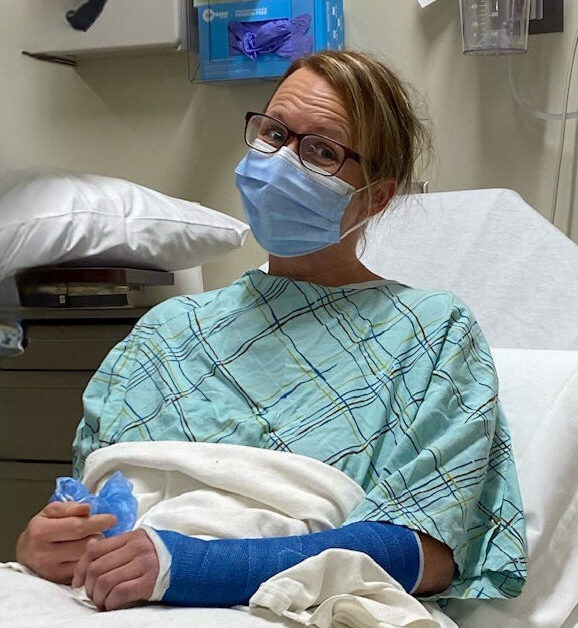
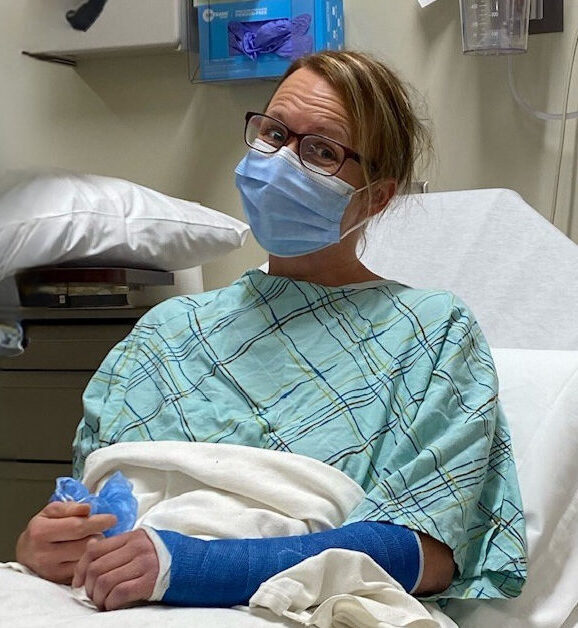
Pre-Surgery
Health and Healing

The Day Before Surgery: A Gentle Checklist to Help You Feel Ready

Preparing for surgery and the recovery that follows can feel overwhelming—mentally, emotionally, and physically.
If that’s where you are right now, take a breath. You don’t have to prepare perfectly. 
You just need to make things a little easier for your future self.
Here are some simple things you can do ahead of time to help your surgery day and recovery feel more supported and less stressful.


1. Prepare Your Space for Comfort

Before surgery day, set yourself up to come home to ease, not effort.
  • Wash and set out comfortable clothes you can easily put on
  • Stock up on soft, easy-to-eat foods and drinks
  • Keep snacks and hydration within easy reach
  • If you can, set up a “rest area” with everything you might need nearby
Small preparation here can make a big difference later.

2. Make Recovery Life Easier (not perfect)

You won’t feel like cooking or cleaning—and that’s okay.
  • Stock paper plates, bowls, and utensils to reduce dishes
  • Prep or plan simple meals for your household
  • Have snacks ready for both you and anyone helping care for you
Think: less effort, not more expectations.

3. Plan for Rest + Distraction

Recovery comes with a lot of downtime. A little planning can help that feel less frustrating.
  • Save shows you can binge-watch
  • Pick up a book you’ve been wanting to read
  • Download podcasts or audiobooks
  • Grab coloring pages or simple hands-on activities if that helps you relax
You’re not “just waiting”—you’re healing.

4. Coordinate Your Support System

You are not meant to do this alone.
  • Confirm who will drive you to and from the hospital
  • Let caregivers know what kind of help you might need
  • Talk through both physical and emotional support needs
  • Don’t be afraid to assign specific tasks to specific people
People often want to help—they just need clarity.

5. Look Ahead at Your Calendar

Take a quick look at what’s coming up and release what you don’t need to carry.
  • Cancel or reschedule anything non-essential
  • Identify where you might need help in advance
  • Delegate where you can
This is a season to receive support, not push through.

6. Pack Your Surgery Day Bag

Keep it simple and practical. You don’t need much—just what brings comfort and ease.
Consider including:
  • ID, insurance card, and co-pay info (if needed)
  • Comfortable, loose clothing for after surgery
  • Lip balm, toiletries, and basic comfort items
  • Light snacks or drink (if allowed after surgery)
  • Any required medications
  • Something small for comfort (book, headphones, etc.)

7. Take Care of Your Mind Too

In the days leading up to surgery, give yourself permission to slow down.
  • Go on a gentle walk
  • Spend time with someone you love
  • Watch something comforting
  • Listen to music that settles your nervous system
  • Rest without guilt
Your body isn’t the only thing preparing—your mind is too.

A Final Reminder

If you forget something, it’s okay. If you feel nervous, that’s normal.
You will have medical staff. You will have caregivers. You will not be alone in this.
And even when it feels uncertain—you are still moving through something that is being held with support around you.
One step at a time. One moment at a time.
Good Luck!
Surgery Day
Support and Caregiving

Surgery Day: Must-Haves for Caregivers

Being a caregiver on a loved one’s surgery day can feel overwhelming, especially for motor vehicle accident survivors and their families. Preparing yourself as the caregiver is just as important as preparing the patient.
Staying organized, nourished, and calm ensures you can provide the support your loved one needs throughout surgery and recovery.

1. Take Your Medications on Time

Surgeries often happen early in the morning, and changes to your routine can make it easy to forget your own medications. Set an alarm or keep medications in your bag to stay on track.

2. Plan for Extra Time

Even if the surgical team estimates a certain length of time for the procedure and recovery, plan for delays. If they suggest three hours, consider preparing for five. Extra time ensures less stress and more flexibility.

3. Organize Home and Work Responsibilities Ahead of Time

Knowing your home and work obligations are covered allows you to focus completely on your loved one. Arrange meals, childcare, and work tasks ahead of time to reduce distractions.

4. Pack a Small Bag with Essentials

Bring a small bag for both you and your loved one. Include items such as personal essentials, the patient’s valuables, snacks, water, and anything you may need during a potentially long wait.

5. Stay Nourished and Hydrated

Surgery days can be unpredictable. Bring breakfast and snacks for yourself, and drink plenty of water. Your loved one may be unable to eat or drink, but staying fueled and hydrated helps you remain alert, patient, and present.

6. Take Short Walks and Stretch Breaks

Once your loved one is in the operating room, take a few minutes to stretch, grab a snack, and refill your water bottle. Moving your body helps reduce stress and maintain energy for the waiting period ahead.

7. Create a Comfortable Waiting Space

Set up a space in the waiting room that works for you. Sit in a comfortable chair, bring a book or notebook, or set up a small “mini-workstation.” Comfort and mental breaks help you stay patient and attentive.

8. Take Refreshing Breaks

If surgery or recovery takes several hours, visit the hospital cafeteria for a hot or cold drink or a light snack. Small breaks can improve mood, reduce fatigue, and help you endure long waits with patience.

9. Prepare for the Drive Home

Keep a small kit in your car for the ride home. Include crackers, juice, water, and a blanket or wrap to keep your loved one comfortable. Having these items ready allows you to focus on safe driving while supporting their needs.

10. Pause and Recharge Your Mind

Take breaks from screens and technology. Step away to stretch, walk, breathe mindfully, or simply rest your eyes. Small pauses help maintain calm, focus, and patience throughout the day.


Final Thoughts

Being a caregiver on surgery day is a critical role, and your preparation directly impacts your loved one’s comfort and recovery. Staying hydrated, nourished, organized, and mindful ensures you can provide the support they need. You are doing a meaningful and invaluable service, and taking care of yourself makes you an even stronger caregiver.