
November 10, 2026
Resilience After a Brain Injury
Finding Connection, Support, and a Way Forward
A brain injury can change much more than someone’s physical abilities. It can affect how they think, feel, connect with others, see themselves, and navigate everyday life. And while medical care and rehabilitation are essential, what happens after those initial stages of care matters just as much.
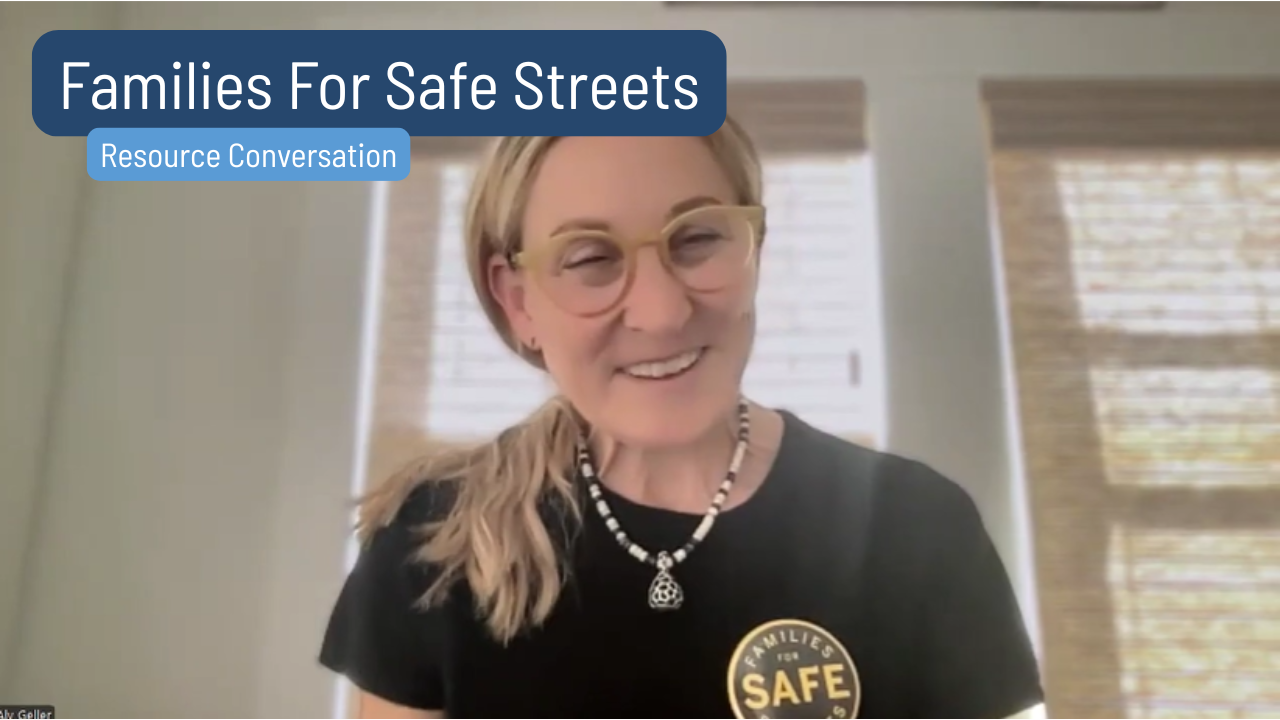
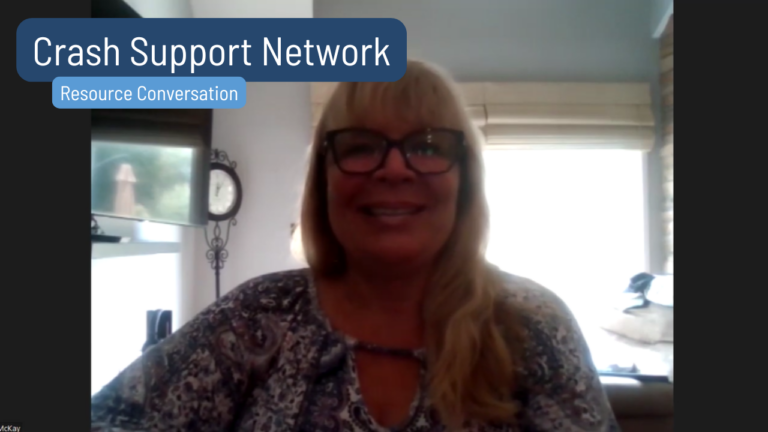
In our latest Resource Conversation, we talked with Dr. Kyla Pearce, Senior Director of Programs, Research, and Operations at LoveYourBrain, about what resilience can look like after a brain injury and how holistic support, mindfulness, movement, and community can help people find a way forward.
The story behind LoveYourBrain
LoveYourBrain is a national nonprofit that has spent more than 12 years developing programs to improve the mental, physical, and social well-being of people with brain injuries (ages 15+) and their caregivers.
The organization was founded by professional snowboarder Kevin Pearce and his brother, Adam, following Kevin’s traumatic brain injury in a training accident in 2010, just before the Winter Olympics.
Adam paused his career and much of his life to become Kevin’s primary support person, walking alongside him through acute medical care, rehabilitation, and the transition back home.
During that time, a documentary called The Crash Reel shared their story. As people watched Kevin’s journey, many began asking questions about resilience and how he was able to approach such a significant life change.
Those conversations helped inspire the creation of LoveYourBrain.
Today, the organization continues to build programs that recognize the many dimensions of life after a brain injury. Kyla brings together her experience as a yoga teacher, mindfulness facilitator, and researcher to help develop and evaluate these programs.
For Kyla, this work is deeply personal and meaningful. She shared that being part of an organization that makes a difference in people’s lives gives her an immense sense of purpose.


Brain injury affects the whole person
In the early stages after a brain injury, medical attention is often the primary focus, and for good reason. People need specialized care, treatment, and rehabilitation.
But the medical system isn’t always designed to address everything that can happen after a brain injury, particularly as someone transitions back into everyday life.
A brain injury can affect much more than physical functioning. It can impact mental health, relationships, employment, friendships, identity, and a person’s sense of belonging.
Someone may look fine on the outside while navigating significant challenges that others cannot see or understand.
Kyla explained that this is why LoveYourBrain takes a holistic approach. Supporting someone after a brain injury means recognizing the connection between physical, mental, and social well-being.
How we care for our minds affects our bodies, and how we care for our bodies affects our minds. Social connection and community are equally important parts of the picture.
These resources aren’t meant to replace medical care or rehabilitation. They’re meant to complement them by supporting the whole person throughout the ongoing process of adjusting to life after an injury.
Recovery versus Resilience: A different way to look forward
One of the most important distinctions Kyla shared was the difference between recovery and resilience.
Recovery can sometimes create the expectation that someone will eventually return to the way they were before their injury.
But brain injury can have lasting and evolving effects. Life may never look exactly the same, and the process of adjusting doesn’t necessarily have a clear finish line.
Resilience offers a different perspective.
Rather than focusing only on getting back to who you were, resilience is about recognizing the skills, strengths, and resources you have today and finding a way forward with them.
It’s about learning, growing, and evolving into the person you’re becoming.
Kyla described how LoveYourBrain combines education about mindset with embodied practices like mindfulness and yoga. These approaches help people recognize their thought patterns, become more aware of what’s happening in their bodies, and develop tools to navigate stress and difficult emotions.
Just as importantly, they get to practice these things alongside others who understand what they’re experiencing.
Being around people with shared experiences can open up new perspectives. It can create space for honest conversations, vulnerability, and the realization that you’re not alone in navigating a life that looks different than you expected.
And that kind of connection can make a meaningful difference.
Finding support through LoveYourBrain programs
LoveYourBrain has developed a variety of programs for people living with brain injuries and their caregivers. While the formats vary, the programs share a common foundation of education, mindfulness, gentle movement, and community building.
Kyla emphasized that removing financial barriers is an important part of their approach. Many of their core programs and resources are offered free of charge, with additional specialized offerings that may have tuition or sliding-scale costs and scholarship opportunities.
Here are some of the ways people can get connected. Each one is individually linked.
Mindset Online
LoveYourBrain’s six-week Mindset program combines mindfulness, gentle yoga, education, and peer support. Participants explore topics like resilience, mindfulness, intention, realistic optimism, positive thinking, and gratitude.
There are interactive group discussion options as well as yoga and discussion groups. The program also offers affinity groups that bring together people with shared experiences or identities, including caregivers, people living with concussion, veterans, athletes, and young adults.
For those who prefer to participate independently, Mindset On Your Own provides a self-guided option with weekly resources.
Community Retreats
LoveYourBrain offers in-person retreats that bring people with brain injuries together in supportive community settings. These experiences combine mindfulness, movement, education, nutrition, and opportunities to connect with others who understand the brain injury experience.
Caregiver Retreats
Caregivers need support, too. LoveYourBrain offers dedicated caregiver programming that creates space for family members and loved ones to connect, share experiences, and explore ways to care for themselves while supporting someone else.
Yoga in Rehabilitation and Community Settings
LoveYourBrain works to expand access to adapted yoga through rehabilitation and community settings. These opportunities help make movement and mindfulness more accessible to people navigating the effects of brain injury.
Meditation and Yoga Library
For someone who wants to start with something small and do it on their own schedule, LoveYourBrain offers an extensive on-demand library of guided meditations, yoga practices, and relaxation resources.
Mindfulness Courses and Learning Resources
Additional self-guided learning opportunities help people build mindfulness skills, understand the relationship between brain health and well-being, and explore practical ways to support resilience.
Professional Trainings
LoveYourBrain also provides training for yoga teachers, clinicians, and other professionals who want to learn how to adapt yoga, mindfulness, and related practices for people with brain injuries. These trainings help expand access to more inclusive and supportive care.
One detail Kyla shared that really stood out: approximately 75% of LoveYourBrain’s programs are led by people who have experienced an injury themselves.
That means participants aren’t just learning from someone who understands the research. They’re often learning alongside people who understand the experience firsthand.
Or, you can explore the programs and find the right starting point at LoveYourBrain.com.
Not sure where to start? Start with what you’re looking for.
It’s understandable to feel hesitant about joining a new program, especially when you’re already managing so much.
Kyla encouraged people to approach new opportunities with curiosity and to think about what they’re actually looking for.
Are you hoping to connect with people who understand what you’re going through? Would you like to learn practical ways to manage stress? Are you looking for gentle movement, mindfulness practices, or support as a caregiver?
Starting with what you need can help you find a resource that feels meaningful and manageable.
She also reminded us that community can be valuable even when we’re not entirely sure what we’re looking for. Being around people who are willing to share their experiences, talk about what brings them joy, and acknowledge the challenges along the way can help shift our perspective.
It’s possible to recognize what is difficult while also making room for what is good. Multiple things can be true at the same time.
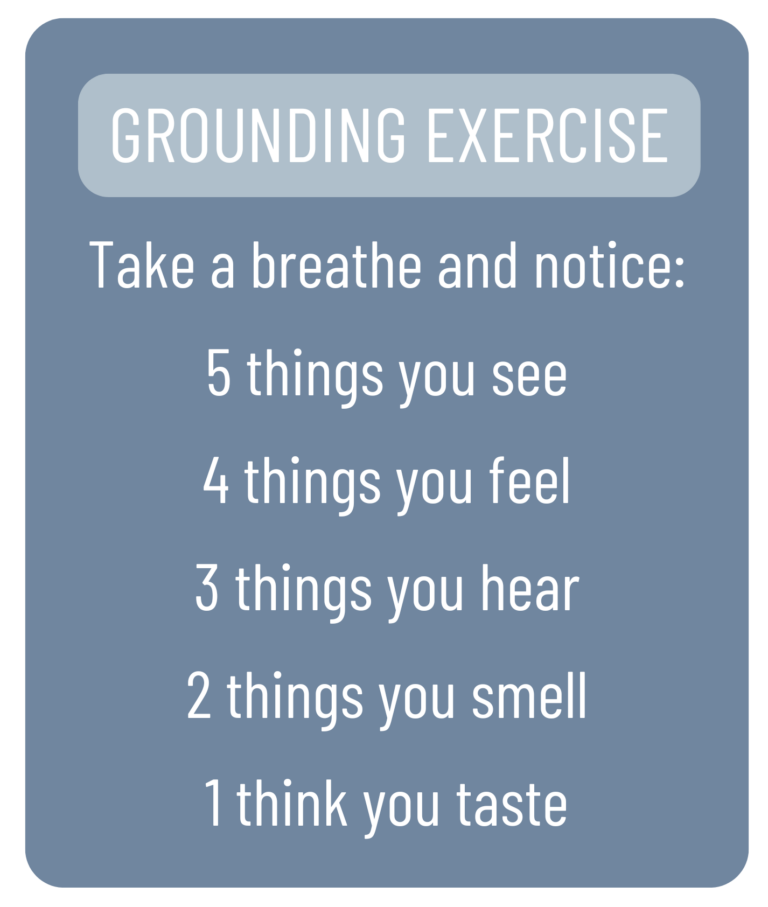
A simple mindfulness practice you can try today
During our conversation, Kyla walked us through a simple sensory exercise to help bring attention back to the present moment.
When we’re stuck in our heads, overwhelmed by stress, or caught up in difficult thoughts, our senses can give us a way to reconnect with what’s happening right now.
You don’t need special equipment, a quiet room, or a lot of time. You can try this wherever you are.

Step 1: Choose something mildly stressful.
Think about something from the last couple of days that has caused a little stress or activated you emotionally. Choose something relatively mild, around a 2–3 out of 10, rather than something deeply distressing.
Notice whether simply thinking about it brings up any sensations in your body.
Step 2: Notice three sounds.
Bring your attention to the sounds around you. Silently name three things you can hear.
Step 3: Notice two things you can see.
Look around and identify two things you can see. Take a moment to really notice them.
Step 4: Notice one thing you can feel.
Bring your attention back to your body. Notice one physical sensation, such as your feet resting on the floor or your hands touching your lap.
Take a slow breath in, feeling your lungs expand, and an easy breath out.
Notice where your attention is now. Has anything shifted?

Now, let’s try it again with a different focus.
This time, rather than looking for things around you that simply help you feel grounded, look for things that bring you joy or a sense of steadiness.
Notice one sound you enjoy.
Look at one thing that brings you joy.
Notice one physical sensation that reminds you of steadiness or support.
Take another slow breath in and an easy breath out.
Notice your attention, your mood, and anything else that feels present for you.

The first practice helps orient and ground you in the present. The second invites you to notice what feels good.
As Kyla reminded us, we don’t have to ignore the difficult things to make room for the good ones.
Sometimes simply noticing what’s around us can give us a little more space to choose how we want to respond to what we’re experiencing.
And that’s a skill we can continue practicing.
You don’t have to figure it out alone
Life after a brain injury can look different than you expected. There may be changes, challenges, and adjustments that continue long after the initial medical care and rehabilitation have ended.
But finding a way forward doesn’t have to happen alone.
Whether you’re a survivor, a caregiver, or a family member trying to better understand how to support someone you love, connection and community can be an important part of building resilience.
Kyla left us with a reminder that we didn’t have to go anywhere, buy anything, or do anything complicated to begin. We simply had to notice, receive, and be curious.
Sometimes that’s a good place to start.